UCF Wins $747K Grant for New Diabetic Nerve Pain Therapy
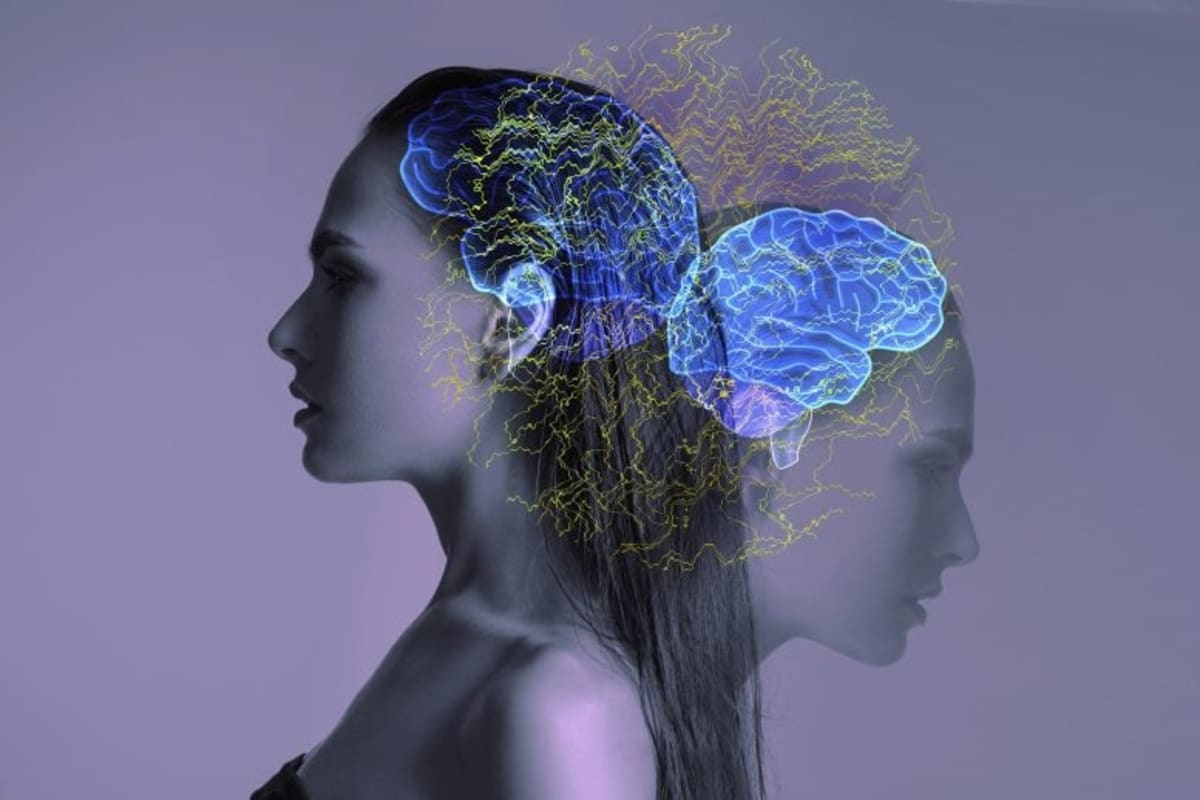
Scientists at the University of Central Florida are developing a groundbreaking treatment for diabetic neuropathy that could help millions avoid relying on opioids and antidepressants. A $747,000 federal grant will fund research into regulating nerve signals instead of just masking pain.
Millions of people with Type 1 diabetes live with constant nerve pain, numbness, and tingling in their hands and feet, but a team at UCF's College of Medicine just secured major funding to change that reality.
Assistant Professor Jim Nichols received a $747,000 grant from the National Institutes of Health to investigate a completely new approach to treating diabetic neuropathy. Instead of relying on pain pills that mask symptoms, his team is targeting the root cause: how insulin problems affect nerve signaling throughout the body.
The stakes are higher than just comfort. When diabetes patients lose feeling in their feet, they can't detect cuts or blisters that later become infected and sometimes lead to amputation.
Nichols believes the answer lies in overlooked mechanisms within peripheral nerves themselves. His theory focuses on irregularities in the insulin signaling pathway that may directly cause nerve degeneration, not just pain.
"We're diving into an area that's fresh," Nichols explains. "We're trying to find better therapies, and that is our goal."
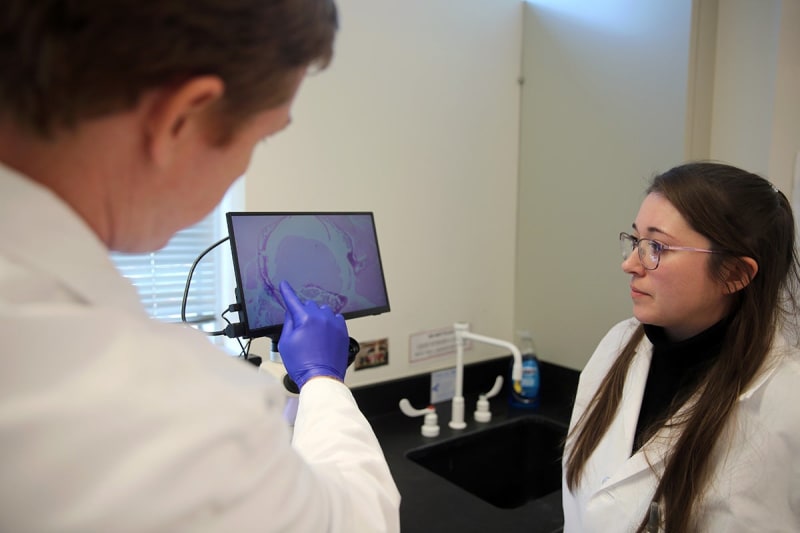
Over the next three years, his team will document how neurons behave and communicate, searching for ways to regulate these systems and prevent nerve damage before it starts. The research could lead to treatments that work alongside better blood sugar management, not just temporary relief.
The Ripple Effect
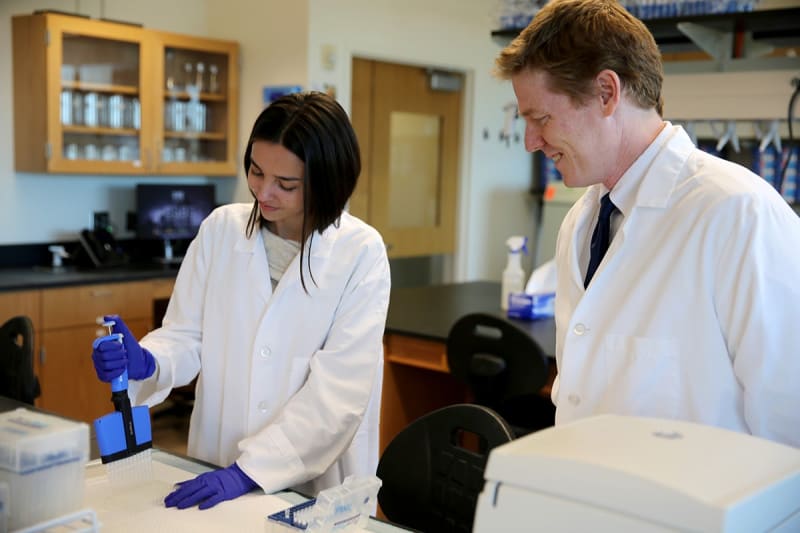
The research is already inspiring the next generation of scientists. Chisom Akaniru joined Nichols' lab after losing her mother to diabetes complications and watching her father develop neuropathy symptoms.
"There are treatments for other complications of diabetes, but I think it could go a long way to have something that could really help neuropathic pain better," says Akaniru, now pursuing her Ph.D. in biomedical sciences at UCF.
Lab manager Hollie Hayes, who previously worked on pediatric tumor research, brought that same urgency to nerve pain studies. "My focus is, 'How can I help advance the science and help as many people as possible?'" she says.
Nichols encourages his students to embrace failure as part of discovery. "We fail fast and we fail safe here," he tells them, creating an environment where bold ideas can flourish without fear.
The research represents hope for diabetic patients tired of choosing between debilitating pain and medications with serious side effects. If successful, Nichols' work could transform how doctors treat one of diabetes' most challenging complications.
More Images


Based on reporting by Google News - New Treatment
This story was written by BrightWire based on verified news reports.
Spread the positivity!
Share this good news with someone who needs it