UCF's "Smart Bubbles" Target Cancer and Save Hearts
A University of Central Florida researcher created microscopic bubbles that deliver cancer drugs directly to tumors while protecting the heart from damage. The breakthrough technology is now being fast-tracked toward human trials with help from a private investor.
Imagine a delivery system so precise it can send cancer-fighting medicine to the exact cells that need it while protecting your heart from harm. That future just became real at the University of Central Florida.
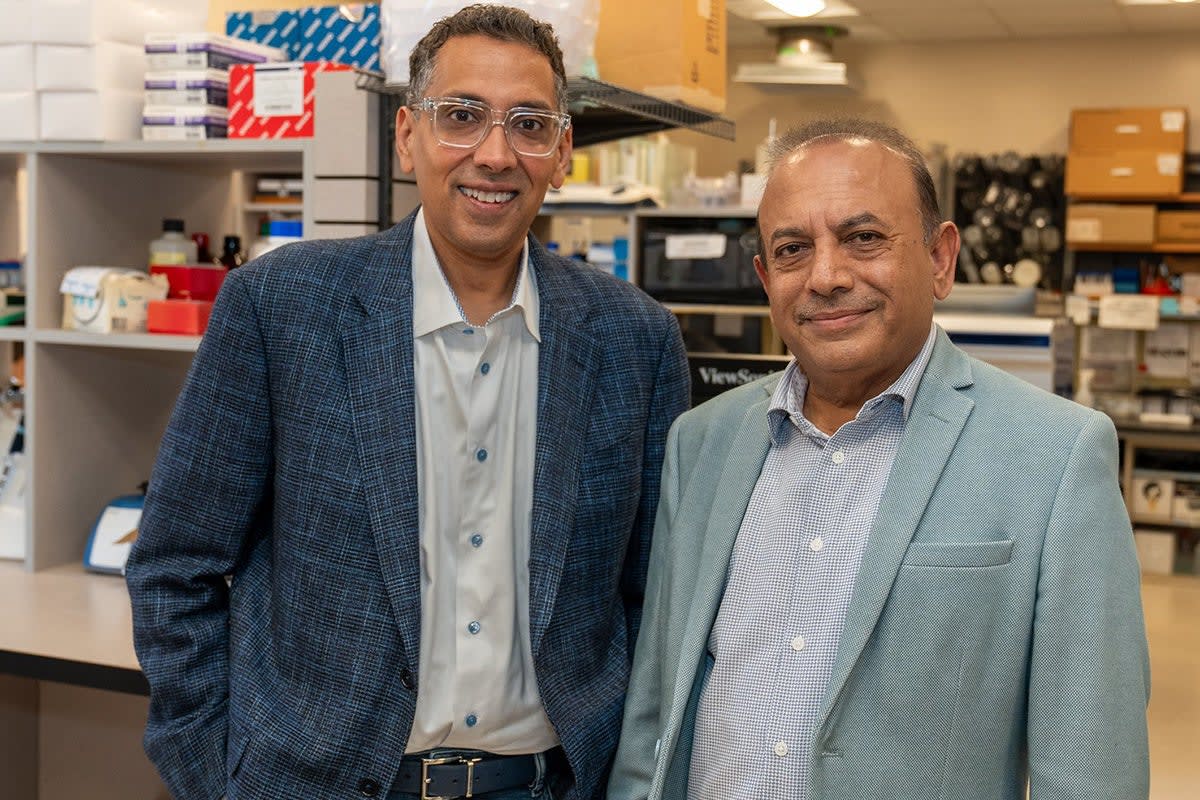
Dr. Dinender Singla created what he calls "smart tiny bubbles" that could transform how we treat cancer and heart disease. These microscopic packages, 500 times thinner than a human hair, carry medicine directly where it needs to go in the body.
The technology works with exosomes, which are tiny bubbles that cells naturally use to talk to each other. Singla's team figured out how to load these bubbles with medicine and coat them with special markers that act like GPS coordinates, guiding them to specific areas of the body.
The system solves two problems at once. When cancer patients receive chemotherapy, the treatment can damage their hearts. But Singla's smart bubbles can deliver cancer-killing drugs at much lower doses while simultaneously protecting heart tissue from harm.
His team tested the therapy on triple-negative breast cancer, the deadliest form of the disease. In the lab, the results showed real promise in destroying cancer cells without the severe side effects that make chemotherapy so difficult.
"Millions of people have heart disease, and they take multiple drugs in extremely high doses," Singla explains. "But we have no way to be certain these drugs are getting to where they need to go."
The Ripple Effect
The breakthrough caught the attention of Orlando healthcare entrepreneur Chakri Toleti, who lost his father to cancer. He saw the potential to change lives at scale and invested in forming a new company called Exomic to move the technology toward clinical trials.
The partnership represents exactly what modern medical innovation needs. Universities create groundbreaking science, and private investment helps push it through the expensive process of FDA approval and manufacturing.
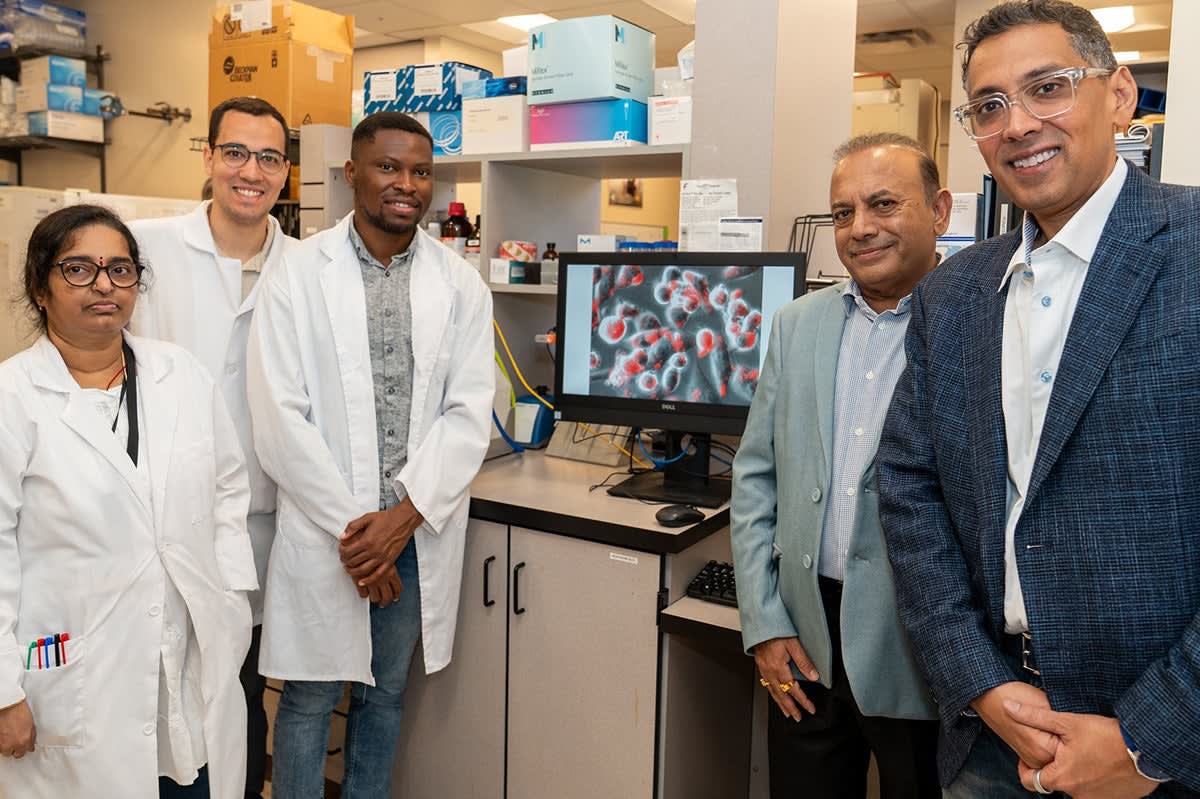
UCF graduate students are getting hands-on experience developing the delicate technology. Jonatas De Mendonca Rolando just earned his doctorate working on the project and stayed on as a researcher because he believes in its potential.
The next phase involves manufacturing the therapy for human use and beginning FDA clinical trials. If successful, patients could one day receive targeted treatments that work better with far fewer side effects than current options.
Winston Schoenfeld, UCF's vice president for research, calls it a perfect example of how university innovation translates into real benefits for society. The collaboration between academic research and industry partnership creates a pathway from laboratory discovery to patient care.
For millions living with cancer or heart disease, these smart bubbles represent more than scientific achievement. They represent hope for gentler, more effective treatments that could save lives without destroying quality of life in the process.
More Images


Based on reporting by Google News - Disease Cure
This story was written by BrightWire based on verified news reports.
Spread the positivity!
Share this good news with someone who needs it