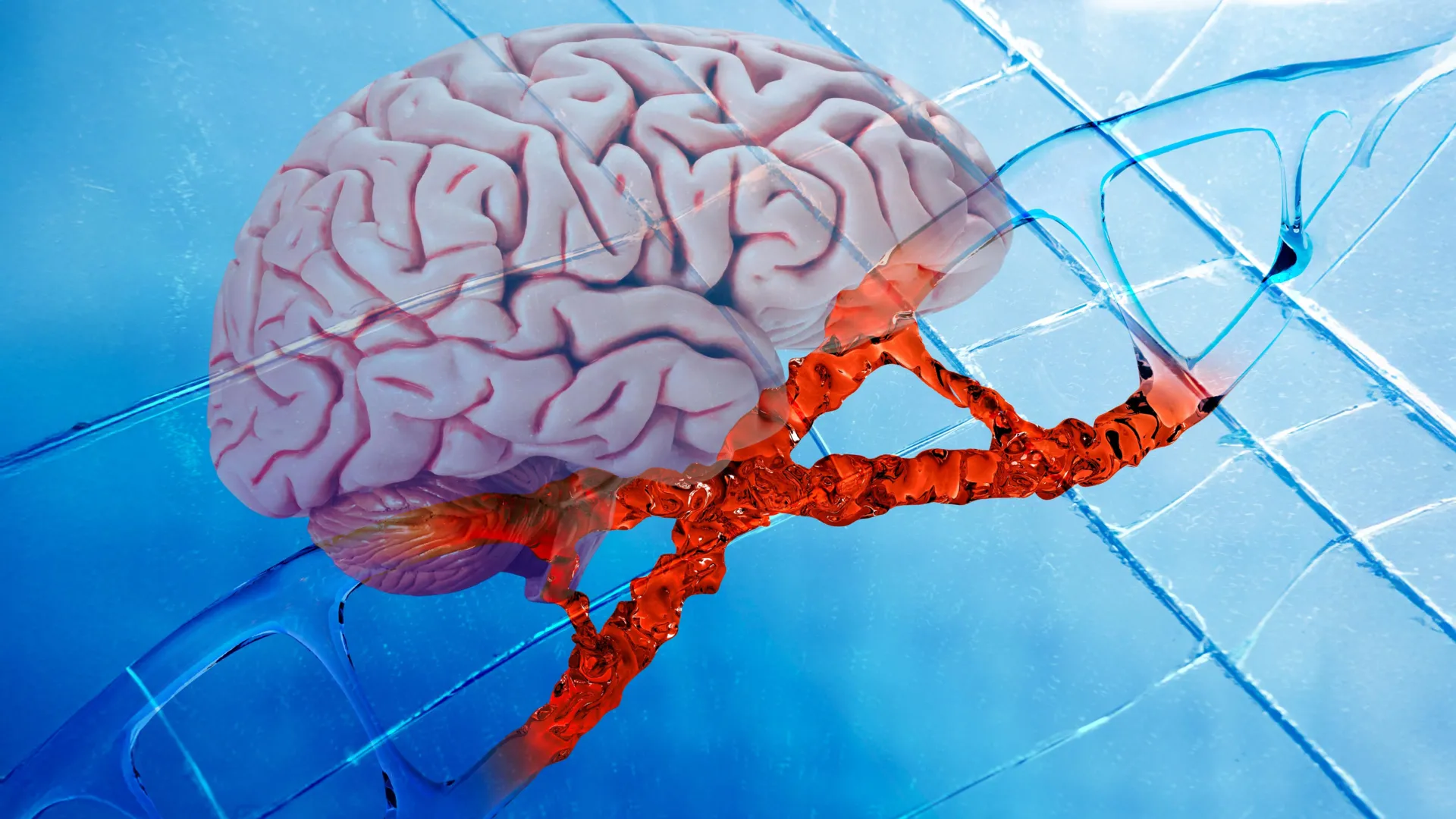
UChicago Team Reverses Prostate Cancer Drug Resistance
Researchers have unlocked a reversible biological switch that can make aggressive prostate cancer vulnerable to standard treatments again. This discovery opens up promising new therapies that restore hope for patients facing drug resistance.
Facing a cancer diagnosis that stops responding to medicine can feel overwhelming, but medical science is delivering another reason to stay optimistic. A team of scientists has uncovered a biological switch that can turn aggressive, resistant prostate cancer cells back into a treatable state.
Published in Nature, the multi-institutional study was spearheaded by researchers at the University of Chicago and the Fred Hutchinson Cancer Center. The investigators focused on the second-leading cause of cancer death among American men, aiming to solve why therapies eventually fail in advanced cases.
Many prostate tumors initially shrink when treated with widely used medications that block hormonal growth signals. Over time, however, clever cancer cells adapt through a process called lineage plasticity, shedding their hormonal dependence and transforming into aggressive neuroendocrine forms.
Using advanced high-resolution RNA sequencing on patient samples and animal models, the team pinpointed a specific molecule called tRNAArg (UCU)-1. For decades, transfer RNAs were considered mere molecular couriers that performed routine cellular housekeeping.
In reality, these molecules actively control cell fate and behavior. The researchers discovered that when tRNAArg (UCU)-1 levels plunge, the tumor cells swiftly discard their sensitivity to targeted therapies.
Tracing the pathway further, the team revealed that this specific RNA controls a vital organizing protein known as SMARCC2. When both components deplete, cells lose their typical identity and switch into a treatment-resistant state.
The most uplifting discovery came when researchers boosted the levels of tRNAArg (UCU)-1 back to normal inside the laboratory. The resistant cells immediately regained their original features and became vulnerable to standard medications once again.
Unlike permanent DNA mutations, RNA-driven changes can be adjusted and reversed. That flexibility gives researchers a thrilling blueprint to develop synthetic RNA mimics or supportive small molecules.
The Bright Side
This breakthrough proves that doctors might not need entirely new cancer drugs to overcome aggressive treatment resistance. By simply pairing existing, accessible medications with RNA restoration tools, medical teams could soon restore healing options for patients who need them most.
With each thoughtful discovery like this, modern medicine transforms once-unbeatable hurdles into manageable pathways toward vibrant health and long lives.
Based on reporting by News-Medical
Reset Your Focus With Today’s Daily Affirmations & Mood Check
Take a 60-second mindful pause with curated daily affirmations and our private positivity mood tracker.
Spread the positivity!
Share this good news with someone who needs it