UCLA Blood Test Detects Multiple Cancers for Under $20
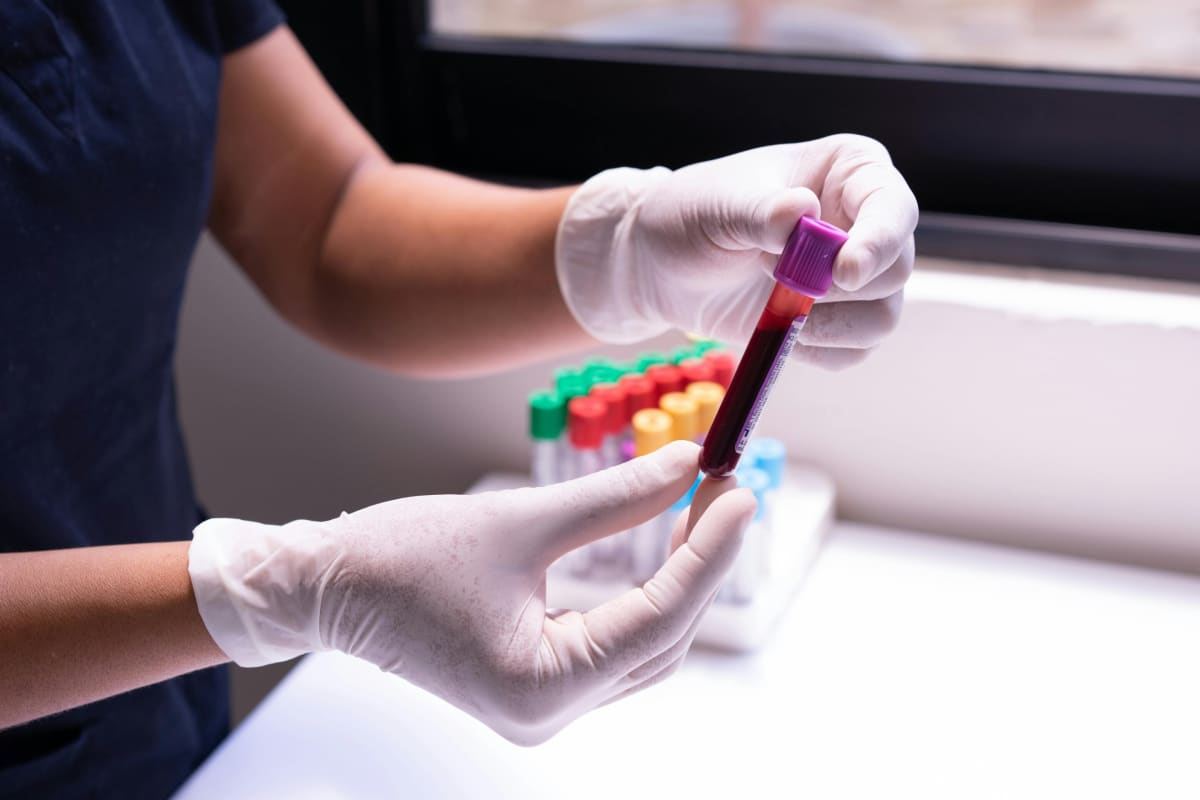
Scientists at UCLA have developed a simple blood test that can detect multiple types of cancer and other diseases simultaneously for less than $20. Early studies show it catches 63% of cancers overall and nearly 80% of liver cancers in high-risk patients.
Imagine detecting cancer, liver disease, and organ problems from a single blood draw that costs less than lunch. UCLA scientists just made that possibility real.
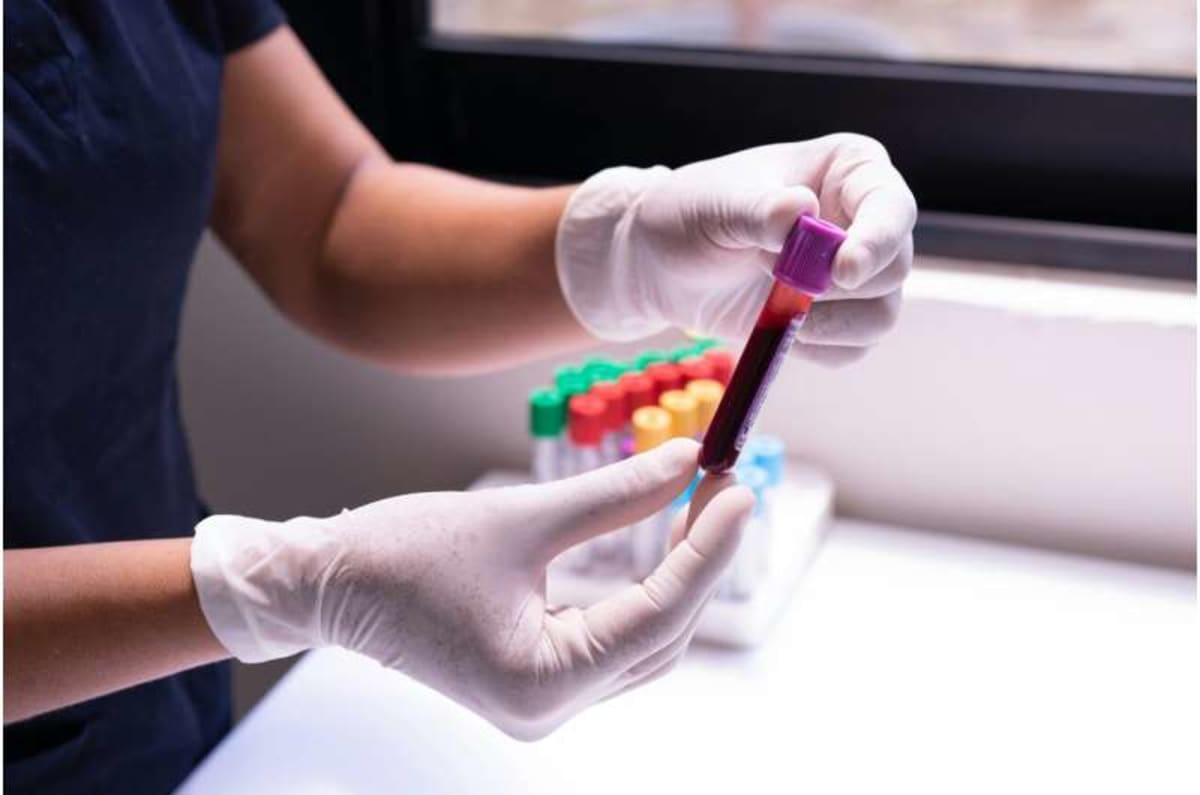
Researchers at UCLA Health have created MethylScan, a blood test that analyzes tiny DNA fragments floating in your bloodstream to spot multiple diseases at once. The test worked on 1,061 people in early trials, catching cancers before they spread and identifying liver conditions without invasive biopsies.
"Every day, 50 to 70 billion cells in our body die," explains Dr. Jasmine Zhou, the study's senior author and professor at UCLA. "Their DNA goes into the bloodstream, which means we already have information from all our organs circulating in the blood."
The breakthrough centers on reading chemical tags called methylation patterns that attach to DNA. These patterns change when cells become cancerous or diseased, creating unique signatures for different conditions. Unlike existing cancer tests that hunt for specific genetic mutations and cost hundreds or thousands of dollars, MethylScan reads these broader patterns at a fraction of the price.
The UCLA team solved a major challenge: most DNA in blood comes from normal blood cells, creating background noise that drowns out disease signals. They developed a technique using specialized enzymes to filter out this noise before testing, dramatically reducing the sequencing needed and keeping costs under $20 per sample.
In clinical testing, the results proved promising. At 98% specificity (meaning very few false alarms), MethylScan detected 63% of all cancers tested and 55% of early-stage cancers. For liver cancer in high-risk patients, it caught nearly 80% of cases with just under a 10% false positive rate.
The test goes beyond simple detection. It can pinpoint which organ is sending the disease signal, helping doctors know exactly where to look next. It even distinguished between different types of liver disease with 85% accuracy, potentially sparing patients from painful liver biopsies.
The Ripple Effect
Early cancer detection saves lives in dramatic ways. Stage one cancer patients have far higher survival rates than those diagnosed at stage four, when the disease has spread. A simple, affordable test that people can take regularly could catch cancers when they're most treatable, transforming screening from an expensive procedure reserved for high-risk patients into routine preventive care accessible to everyone.
The ability to monitor multiple organ systems simultaneously could reshape healthcare. Instead of separate, costly tests for different cancers and conditions, one blood draw could provide a comprehensive health snapshot. For people with chronic liver conditions or other risk factors, regular monitoring becomes affordable and convenient.
The research team published their findings in the Proceedings of the National Academy of Sciences. While larger trials are needed to confirm real-world effectiveness, the initial results suggest this technology could become a standard part of annual checkups within years, not decades.
The future of cancer screening might be hiding in plain sight, flowing through our veins every single day.
More Images
Based on reporting by Google News - Health
This story was written by BrightWire based on verified news reports.
Spread the positivity!
Share this good news with someone who needs it