UCLA Creates Explosive Detector That's 99% Accurate
Scientists just solved one of security's toughest challenges with a scanner that can detect hidden explosives through clothing and packaging. The breakthrough combines light waves with AI to spot threats faster and safer than ever before.
Airport security just got a major upgrade that could make us all safer without the hassle.
Researchers at UCLA have created a new scanning system that can detect hidden explosives and dangerous chemicals through clothing, bags, and packaging with stunning accuracy. The technology spotted threats correctly 99.42% of the time in testing, even when they were concealed under paper or fabric.
The breakthrough solves a problem that has frustrated security experts for decades. Current airport scanners can see suspicious shapes but can't identify specific chemicals. Meanwhile, the methods that do identify chemicals require getting dangerously close to potential threats or create bottlenecks that slow everything down.
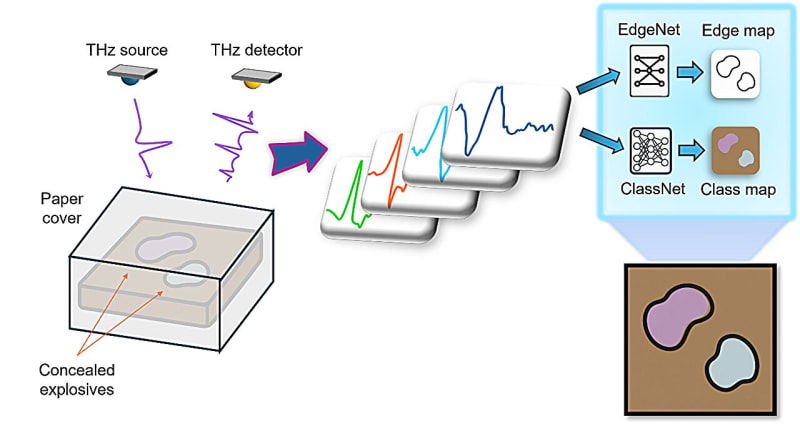
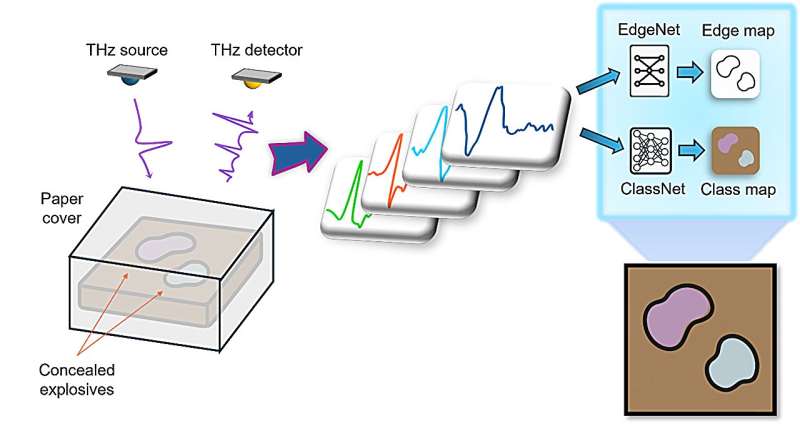
Professors Mona Jarrahi and Aydogan Ozcan led the UCLA team that cracked this challenge. They combined terahertz waves (a type of light invisible to our eyes) with artificial intelligence to create a system that works like a chemical fingerprint reader from a distance.
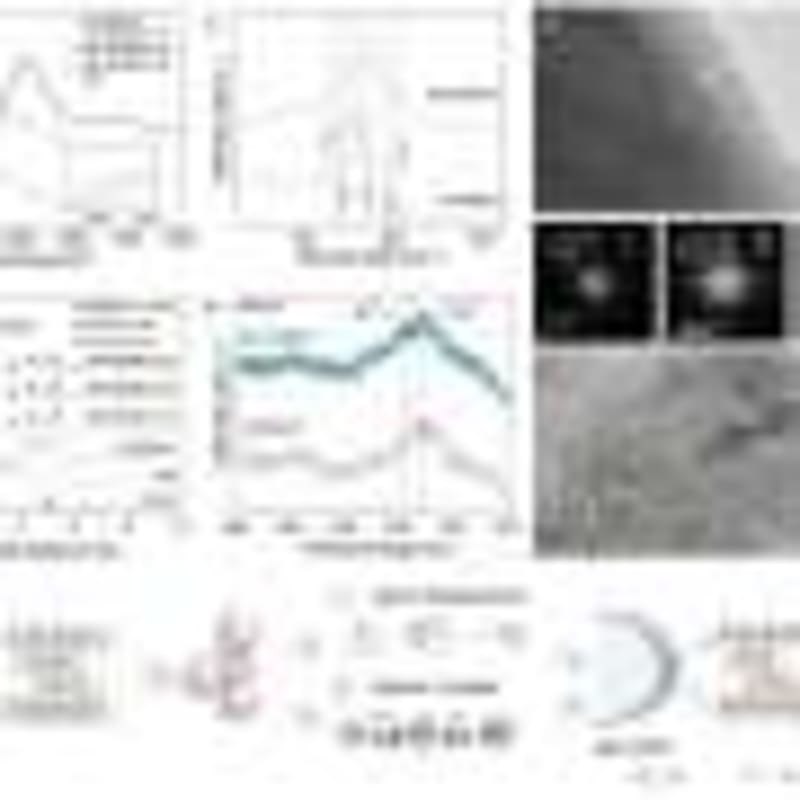
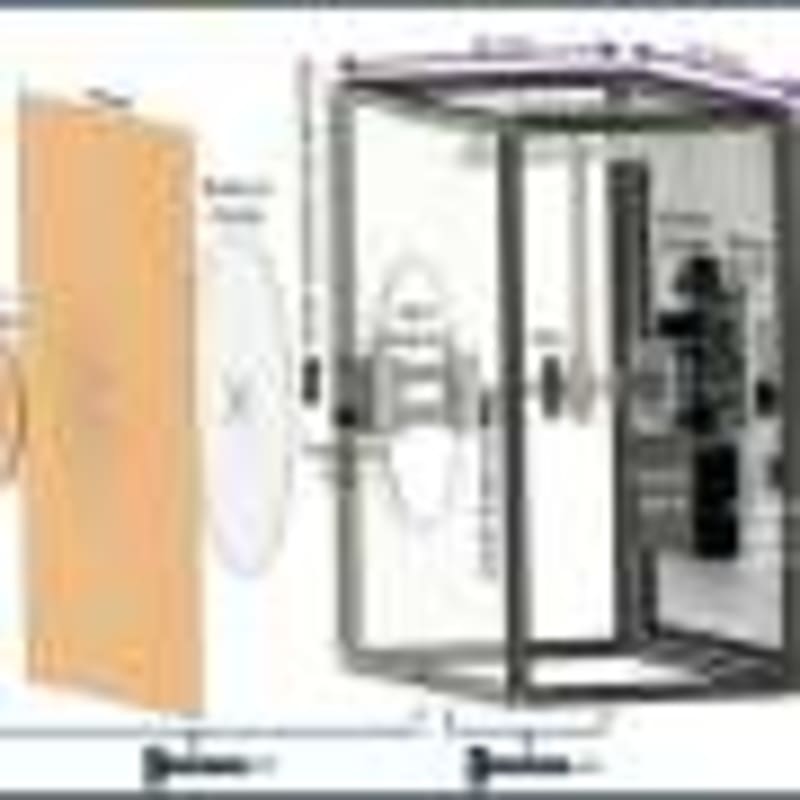
Here's what makes it special: the scanner uses tiny plasmonic nanoantennas to send out terahertz pulses that bounce off objects and return with chemical information. The AI then analyzes these returning waves to identify what it's looking at, filtering out all the noise and interference that usually confuses other scanners.
The team put their system through rigorous blind tests with eight different chemical compounds, including the high-priority explosives TNT, RDX, and PETN. Even when explosives were hidden under opaque paper coverings (where traditional scanners typically fail), the system maintained 88.83% accuracy.
The Ripple Effect
This technology reaches far beyond airport security lines. Pharmaceutical companies could use it to verify medication quality during manufacturing. Industrial facilities could screen for hazardous materials without shutting down operations or putting workers at risk.
The system works at a distance, meaning security personnel can stay safe while screening suspicious packages or vehicles. It's fast enough for real-world use in crowded environments like transportation hubs, concert venues, or border crossings.
What's truly revolutionary is that the scanner achieves this precision without using harmful X-rays or requiring physical contact. It sees through everyday materials while being completely safe for repeated exposure to people.
The research team published their findings in Light: Science & Applications, and the peer-reviewed results demonstrate that combining advanced physics with modern AI can solve problems that seemed impossible just years ago.
Security screening that's faster, safer, and more accurate isn't just good news for travelers tired of long lines—it's a genuine leap forward in protecting people everywhere.
More Images
Based on reporting by Phys.org - Technology
This story was written by BrightWire based on verified news reports.
Spread the positivity!
Share this good news with someone who needs it