UCLA Maps Brain Circuit That Files Memories Apart
Scientists have discovered the exact brain pathway that decides whether new experiences get filed separately or merged together—and they can control it in both directions. The breakthrough could lead to new treatments for schizophrenia and bipolar disorder, where memories blend together incorrectly.
Your brain makes a split-second filing decision dozens of times a day: does this new experience belong with an old memory, or does it need its own space? UCLA scientists just found the exact circuit that makes that call, and proved they can control it like a switch.
The discovery centers on a quality-control system in the prefrontal cortex. When mice explored new places several days apart, this brain region lit up brighter the more different the environments were, actively working to keep the memories separate.
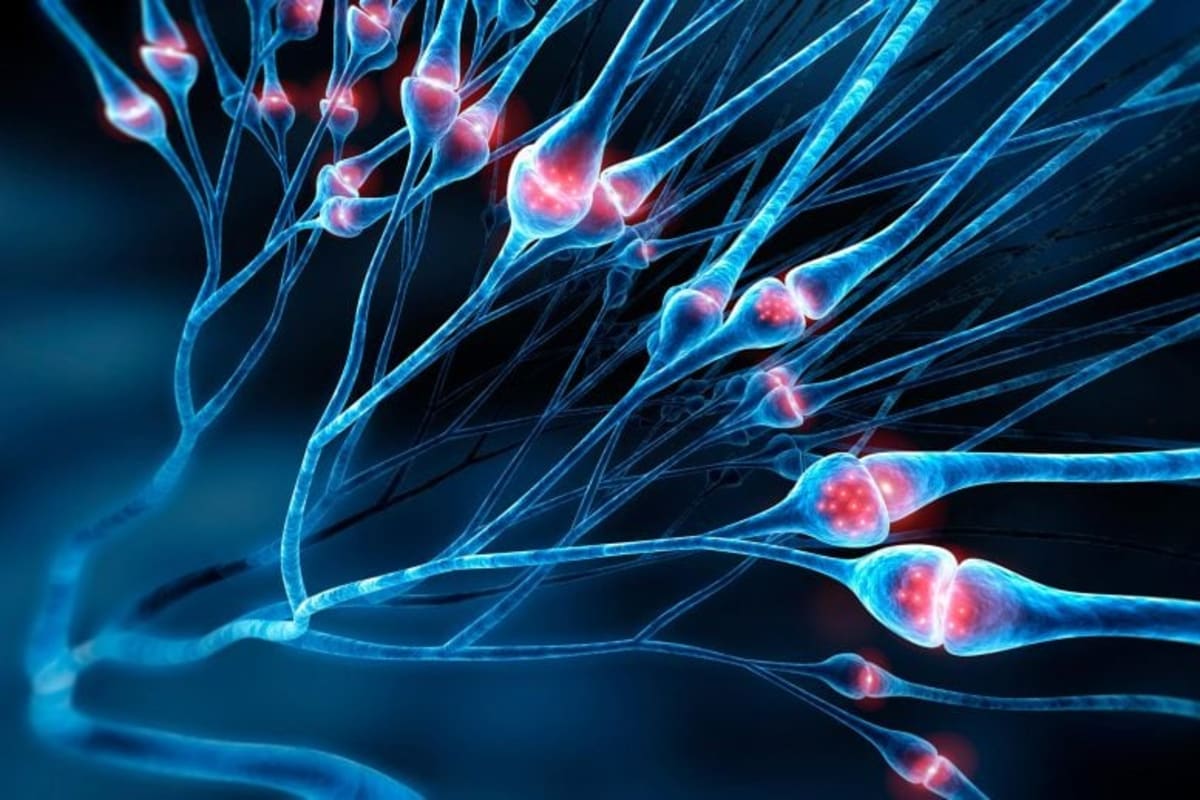
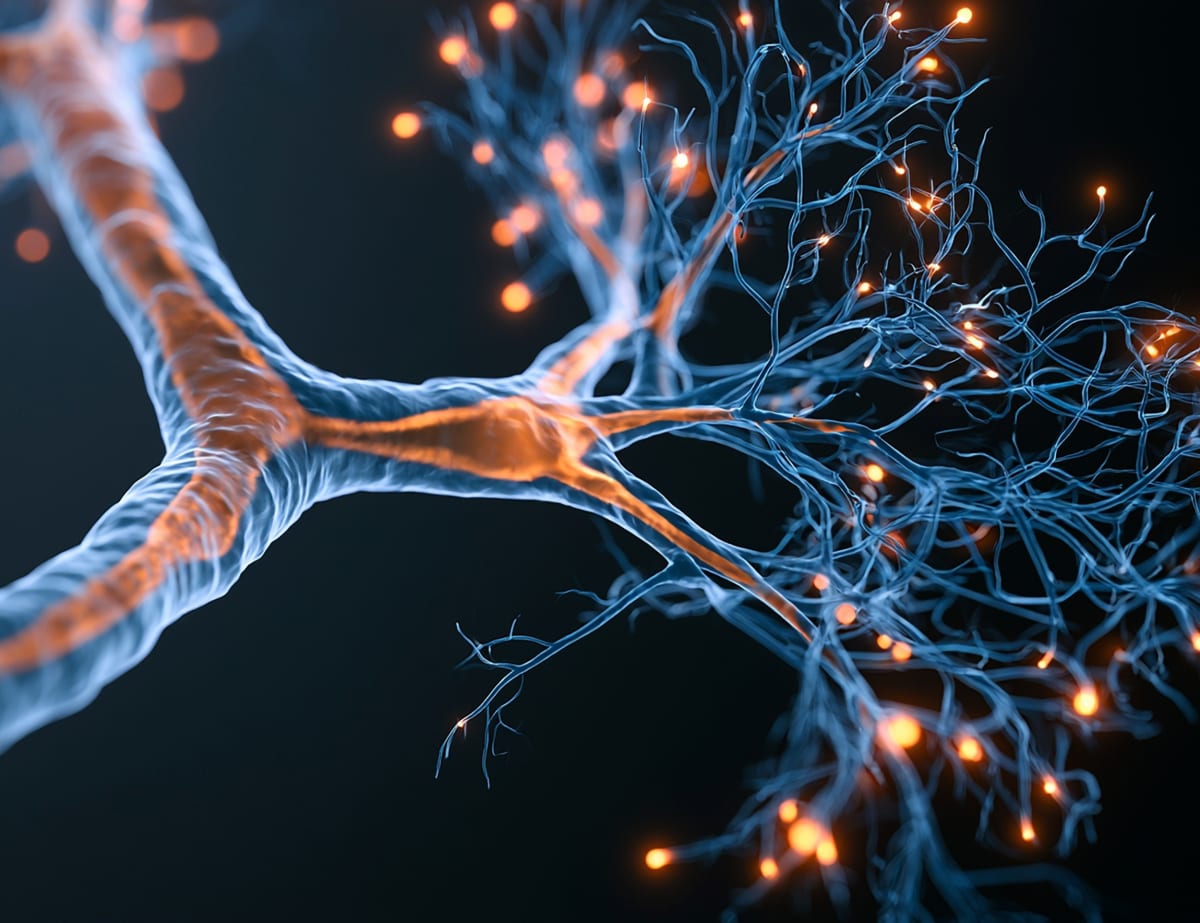
Researcher André de Sousa and his team traced the complete wire from start to finish. The signal runs from the prefrontal cortex to a relay station called the medial entorhinal cortex, then down to the hippocampus where memories actually get stored.
Here's where it gets exciting: the team could flip the switch both ways. When they turned off the circuit during exploration, mice treated two completely different places as identical. After getting a mild shock in one location, they froze in fear in the other—their brains had created a false connection between unrelated events.
Then they did the opposite. By cranking up the circuit artificially, they forced the brain to file memories separately even when they happened close together in time, when they would normally merge on their own.
The real gatekeeper sits at the end of the line: a special type of neuron in the hippocampus that acts as the final checkpoint. It decides which brain cells get recruited to record a new memory and which stay out.
Timing matters too. When the researchers turned off the same circuit while mice explored places just five hours apart, nothing changed—the memories linked anyway. The circuit specifically manages memories spread across longer stretches, once the brain has had time to lock in what came first.
Why This Inspires
This isn't just about understanding how healthy brains work. People with schizophrenia and bipolar disorder often struggle with memories bleeding together, creating false associations that fuel confusion and distress. Now scientists have a concrete target: a specific region, a specific pathway, and a specific type of cell, all working together.
"We can make memories merge that shouldn't, or keep separate memories that would otherwise be linked, just by manipulating this one pathway," said de Sousa. "That tells us this is a fundamental control mechanism."
Before this study, researchers knew that past experiences shape how we file new ones, but the biological steps stayed murky. Now the whole filing system is mapped out in living, moving animals—complete with a dial that controls the outcome.
The path from lab mice to human treatments is long, but having the exact circuit in hand gives researchers something concrete to work with. For millions living with conditions where memories tangle incorrectly, that's a bright spot worth celebrating.
Based on reporting by Google News - Scientists Discover
This story was written by BrightWire based on verified news reports.
Spread the positivity!
Share this good news with someone who needs it