UCLA Scientists Reverse Fatty Liver Disease in Breakthrough
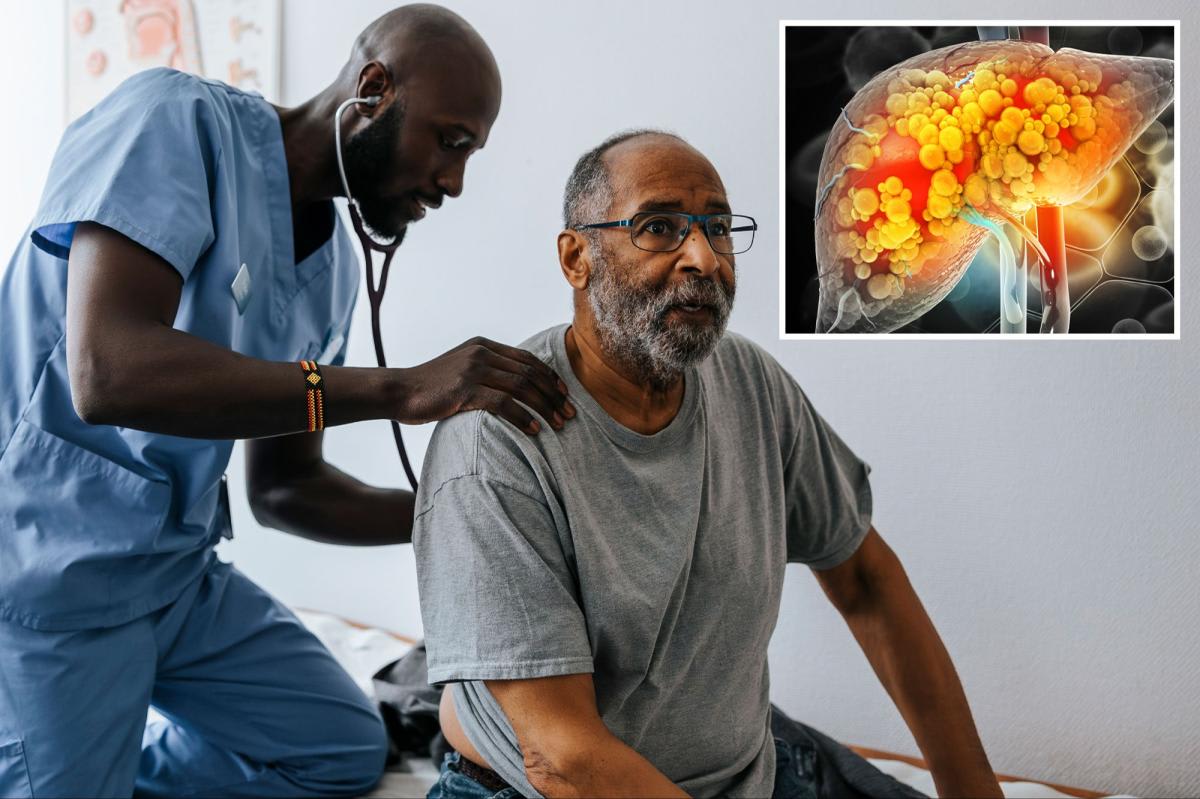
UCLA researchers have discovered how to reverse chronic fatty liver disease without diet changes, offering hope to up to 3.8 million Los Angeles residents. The breakthrough targets "zombie cells" that cause liver damage.
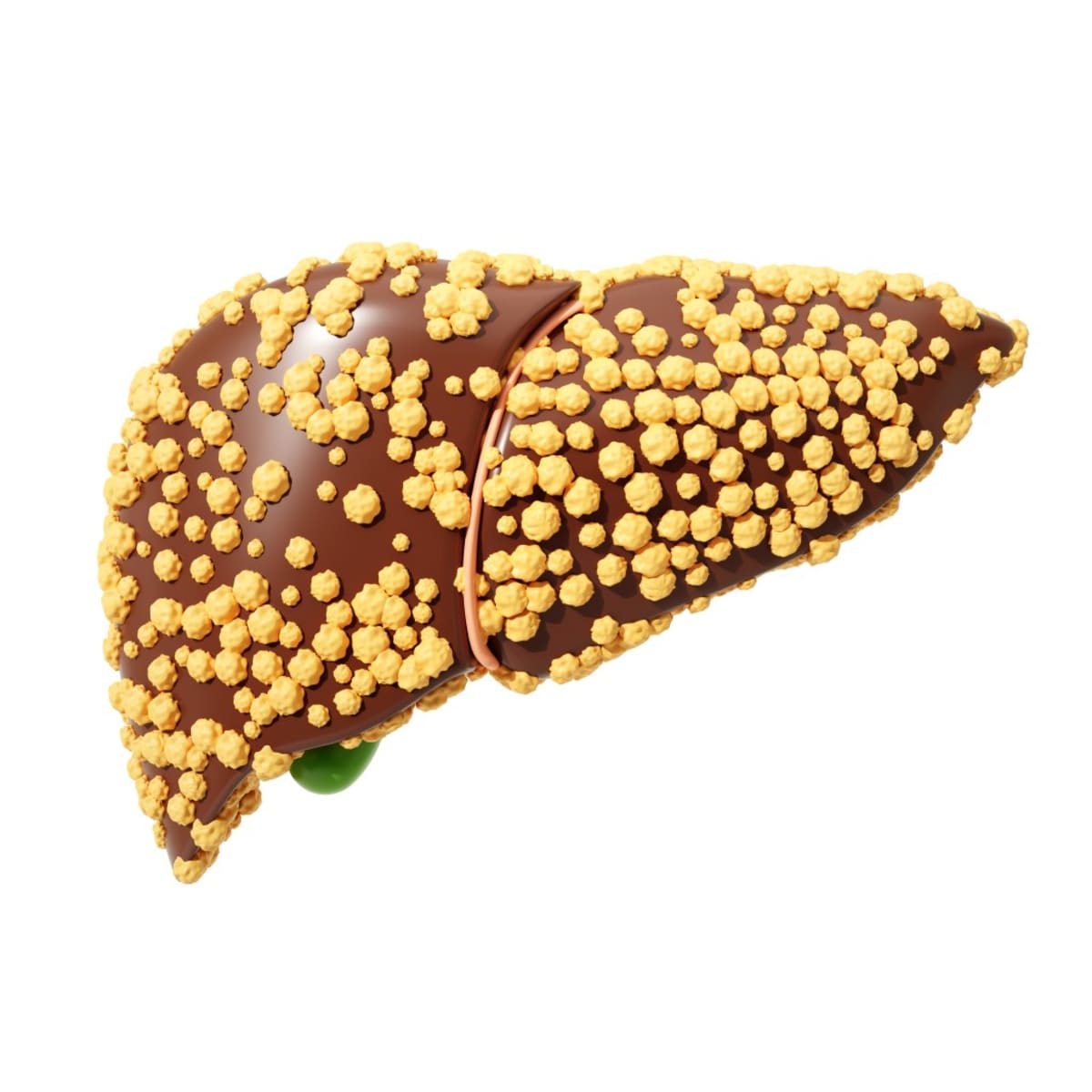
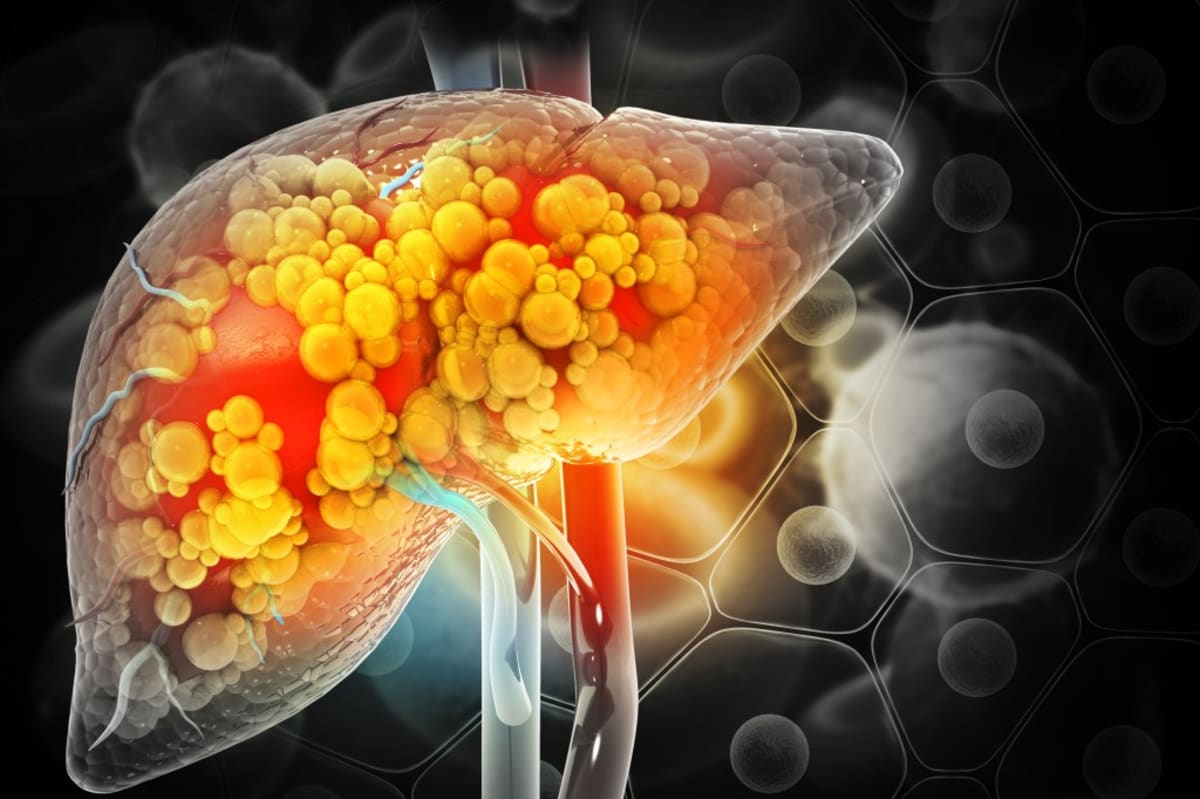
Scientists at UCLA just found a way to reverse fatty liver disease without forcing patients to overhaul their diets, and the discovery could transform life for millions of people.
The breakthrough centers on what researchers call "zombie cells," rogue immune cells that stop dividing but refuse to die. These cells camp out in the liver and inflame surrounding healthy tissue, driving the progression of fatty liver disease.
When UCLA researchers removed these senescent cells from mice, something remarkable happened. The liver damage didn't just stop getting worse. It completely reversed, even though the mice kept eating the same unhealthy diet they'd been on before.
The timing couldn't be better. Between 30% and 40% of Los Angeles residents currently have fatty liver disease, with especially high rates in Latino communities. Current treatments are limited and often invasive, leaving doctors with few options to help patients.
"This is a huge public health crisis in the making," said Anthony Covarrubias, senior author of the study and researcher at UCLA's Broad Center of Regenerative Medicine. "We're seeing fatty liver disease in younger and younger people."
The research revealed that age plays a major role in these zombie cells appearing. Young mice had senescent cells in just 5% of their tissue, while older mice showed levels of 60% to 80%. But age isn't the only culprit.
High cholesterol levels can push healthy immune cells called macrophages into a senescent state. These cells normally clean up dead and unhealthy tissue, but chronic exposure to excess cholesterol transforms them into the very problem they're supposed to solve.
"Physiologically, macrophages can handle cholesterol metabolism," explained Ivan Salladay-Perez, first author of the study. "But in a chronic state, it's pathological."
Covarrubias compared the zombie cells to stalled cars on the freeway. "Just one broken-down car on the 405 can back up traffic for miles," he said. "Even a small number of these cells causes enormous disruption in tissue."
The Bright Side
The research team is now working to identify drugs that can safely remove senescent macrophages without causing side effects. Unlike current treatments that demand major lifestyle overhauls or invasive procedures, this approach could offer a simpler path forward for millions of patients.
The discovery also opens doors for understanding other age-related diseases driven by cellular senescence, potentially leading to breakthroughs beyond liver disease.
For the millions of Angelenos living with fatty liver disease, this research offers something they haven't had much of: genuine hope for a treatment that works with their bodies instead of against their daily lives.
More Images

Based on reporting by Google News - Medical Breakthrough
This story was written by BrightWire based on verified news reports.
Spread the positivity!
Share this good news with someone who needs it