UConn Scientists Develop Treatment for Fatty Liver Disease
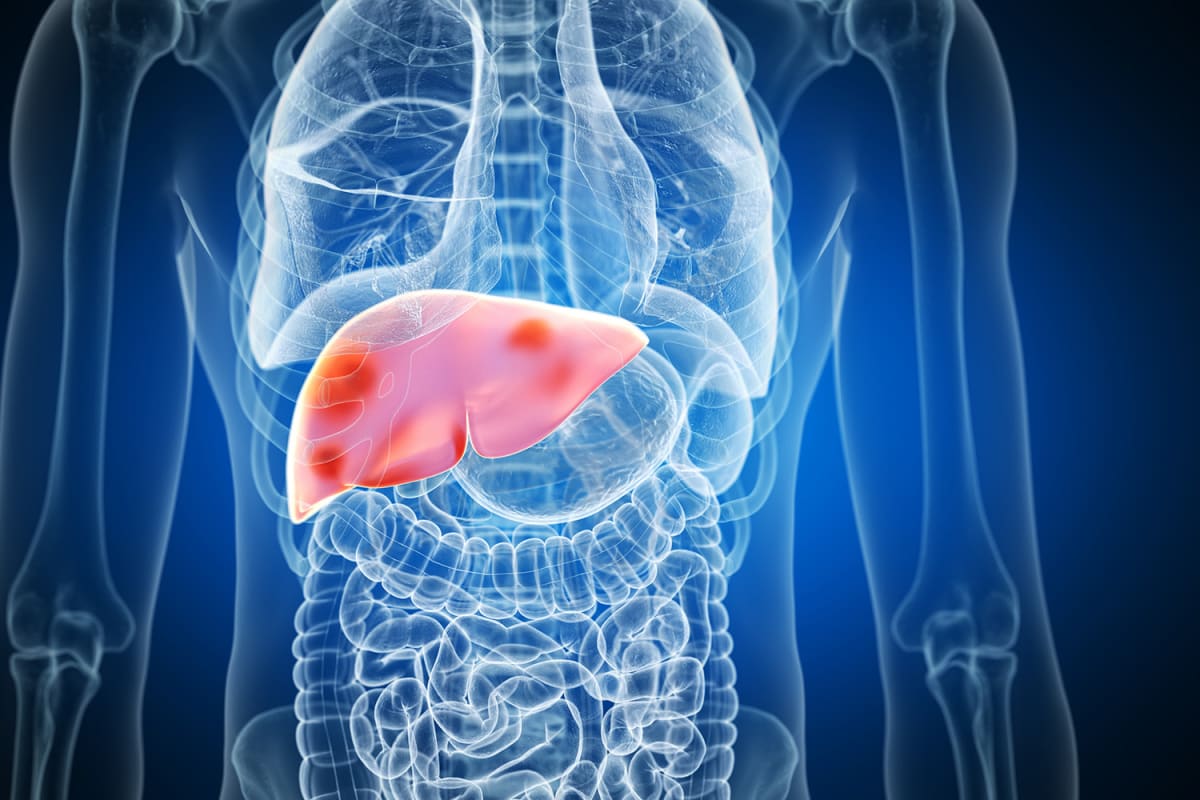
Researchers at UConn have patented a breakthrough treatment that could reverse fatty liver disease, a condition affecting billions worldwide with almost no current cure options. The innovative approach targets the root cause of the disease rather than just managing symptoms.
For billions of people living with fatty liver disease, hope has been hard to find. Until now.
A team at UConn's School of Pharmacy has developed a new therapeutic strategy that doesn't just stop fatty liver disease but could actually reverse the damage already done. Their patented approach addresses a disease so common that nearly every family has someone living with it, yet treatments have remained frustratingly limited.
Professor Xiaobo Zhong and his team focused on what makes this disease so difficult to treat: it happens when any of six different pathways in liver cells go wrong. Current medications only address one pathway at a time, leaving many patients without effective options.
The disease progresses in stages, starting with simple fat accumulation that most people live with harmlessly their whole lives. But for some, it advances to inflammation, then fibrosis, and eventually cirrhosis where the liver stops working. About 400 million people globally reach the inflammatory stage, and half of those continue progressing toward liver failure.
Beyond diet and exercise, patients today have few choices. A drug approved in 2024 helps some people, but only a small portion benefit. When the disease reaches its final stages, the only remaining option is a liver transplant.
Why This Inspires
What makes Zhong's approach revolutionary is that it targets a master regulator controlling all six problematic pathways at once. The team discovered that a protein called HNF4A acts like a conductor for over 1,000 genes crucial to liver health. In most liver disease patients, this protein gets degraded by another molecule.
Their solution uses cutting-edge gene therapy techniques called antisense oligonucleotides and small interfering RNA to protect HNF4A from degradation. When HNF4A levels stay normal, the liver can function properly again.
The researchers believe their method can reverse both early and moderate stages of the disease. Even more exciting, they hope it will inspire pharmaceutical companies to invest in developing treatments after years of hesitation due to past failures.
Unlike traditional drugs that try to boost something already depleted, this approach removes what's causing the problem in the first place. It's the difference between constantly adding water to a leaking bucket versus fixing the leak itself.
For a disease affecting billions with so few real solutions, this patent represents a door opening where there was once only a wall.
More Images
Based on reporting by Google News - New Treatment
This story was written by BrightWire based on verified news reports.
Spread the positivity!
Share this good news with someone who needs it