UGA Researchers Close In on Alpha-Gal Tick Allergy Cure
Scientists at the University of Georgia are making progress on understanding alpha-gal syndrome, a mysterious tick-triggered meat allergy affecting up to 450,000 Americans. Their research could lead to treatments for people who currently face life-altering dietary restrictions.
When Allen Gudenrath woke up covered in welts and struggling to breathe after eating lamb at a wedding 13 years ago, he had no idea a tick bite had rewritten his body's relationship with food. He later learned he had alpha-gal syndrome, a condition that turns red meat into a potential emergency.
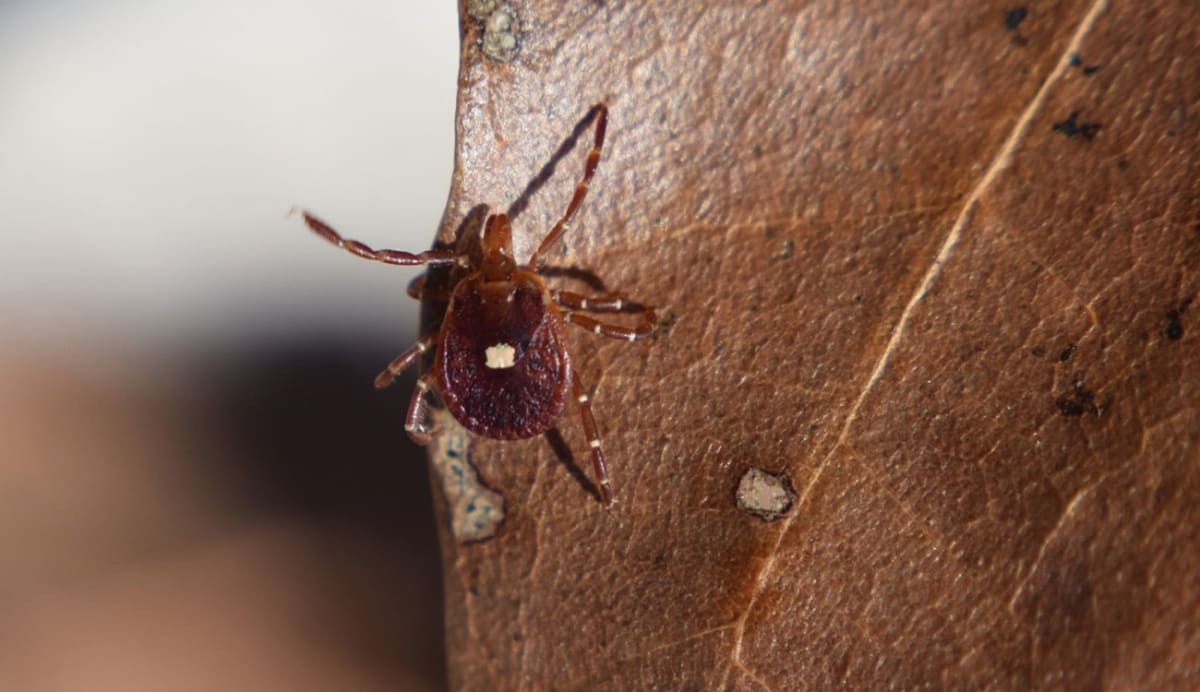
Alpha-gal syndrome starts with a bite from a lone star tick, recognized by the white dot on its back. When these ticks feed on mammals like deer or raccoons, their saliva picks up alpha-gal sugar molecules from their hosts.
If that same tick then bites a person, it can transfer those sugars into human blood. In some people, the immune system mistakes alpha-gal in foods like beef, pork, and lamb as dangerous invaders, triggering allergic reactions hours after eating.
What makes this allergy especially challenging is its delayed response. Unlike typical food allergies that cause immediate reactions, alpha-gal symptoms can appear in the middle of the night, hours after a meal.
Debbie Nichols experienced this firsthand, waking repeatedly with splitting stomach pain she couldn't explain. She and her friend Candice Matthis eventually got diagnosed and founded the nonprofit Two Alpha Gals to help others navigate the condition.
The CDC has identified over 110,000 suspected cases between 2010 and 2022, with estimates suggesting the true number could reach 450,000. The lone star tick is spreading from the Southeast to the Upper Midwest and Northeast, bringing new cases with it.
Now researchers at UGA's Complex Carbohydrate Research Center are working to understand exactly how tick bites trigger this unusual allergy. In 2019, scientist Parastoo Azadi led a team that identified which tick species are most likely to carry alpha-gal sugars in their saliva.
The researchers are also studying why some people bitten by these ticks develop the allergy while others don't. Understanding this difference could be key to preventing or treating the syndrome.
The Ripple Effect
UGA hosted the 2024 Alpha-Gal Symposium, bringing together researchers, agriculture experts, forestry professionals, and wildlife communities across Georgia. The collaboration is building momentum for state investment in research that could protect thousands of Georgians from developing this life-changing condition.
Gudenrath, now a passionate advocate, helped organize the symposium. He knows firsthand how alpha-gal forces people to completely change their diets, social lives, and daily routines.
Azadi emphasizes they're still in early stages but optimistic about the path forward. "Our basic research is essential for developing future treatments," she says.
The research gives hope that one day people won't have to choose between enjoying a meal and risking their health because of a tick bite.
More Images




Based on reporting by Google News - Researchers Find
This story was written by BrightWire based on verified news reports.
Spread the positivity!
Share this good news with someone who needs it