Uganda Coffee Farmers Beat Drought With Soil Tricks
Smallholder coffee farmers in Uganda are weathering droughts and producing better crops thanks to simple regenerative farming techniques taught at 30 demonstration farms. The program is helping secure livelihoods while keeping coffee production stable for billions of daily drinkers worldwide.
When the rains stopped coming on time in Uganda's Masaka region, coffee farmer Nakalisa Mary Fatuma feared for her family's livelihood. Today, her coffee plants are stronger than ever, thanks to farming methods that work with nature instead of against it.
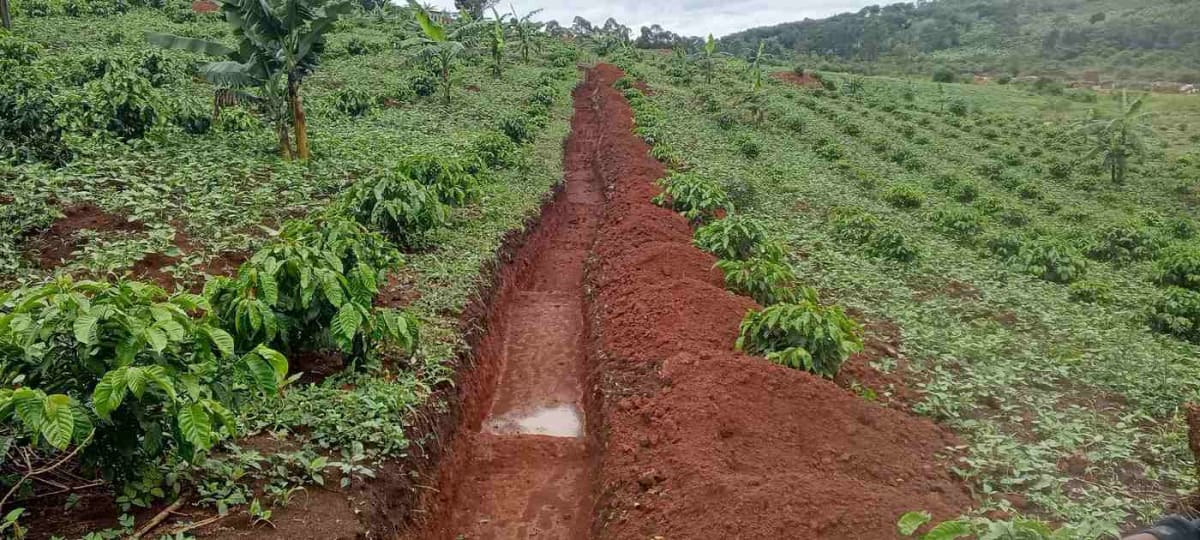
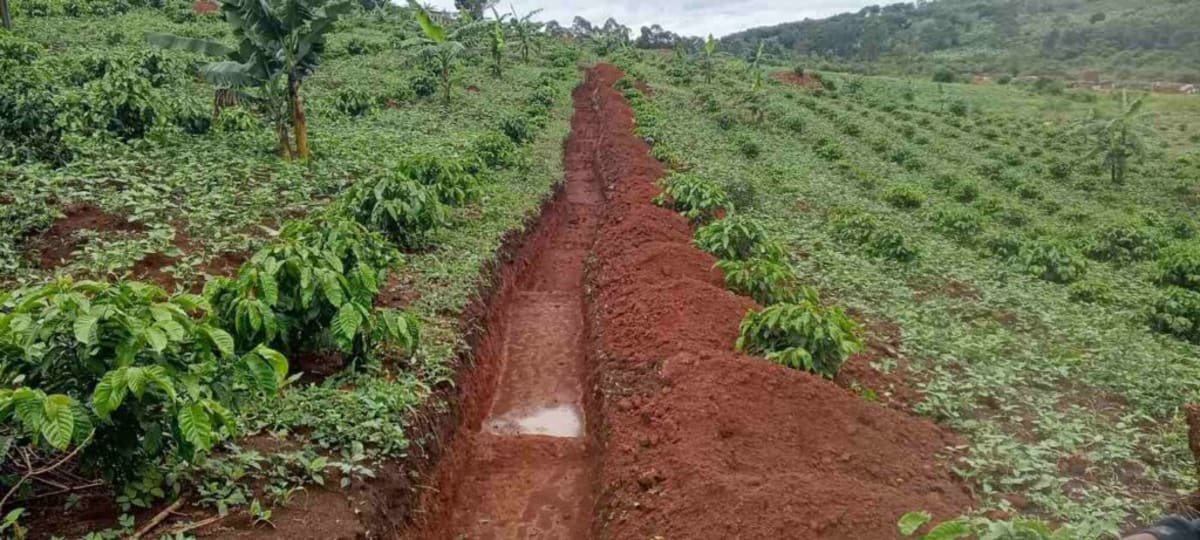
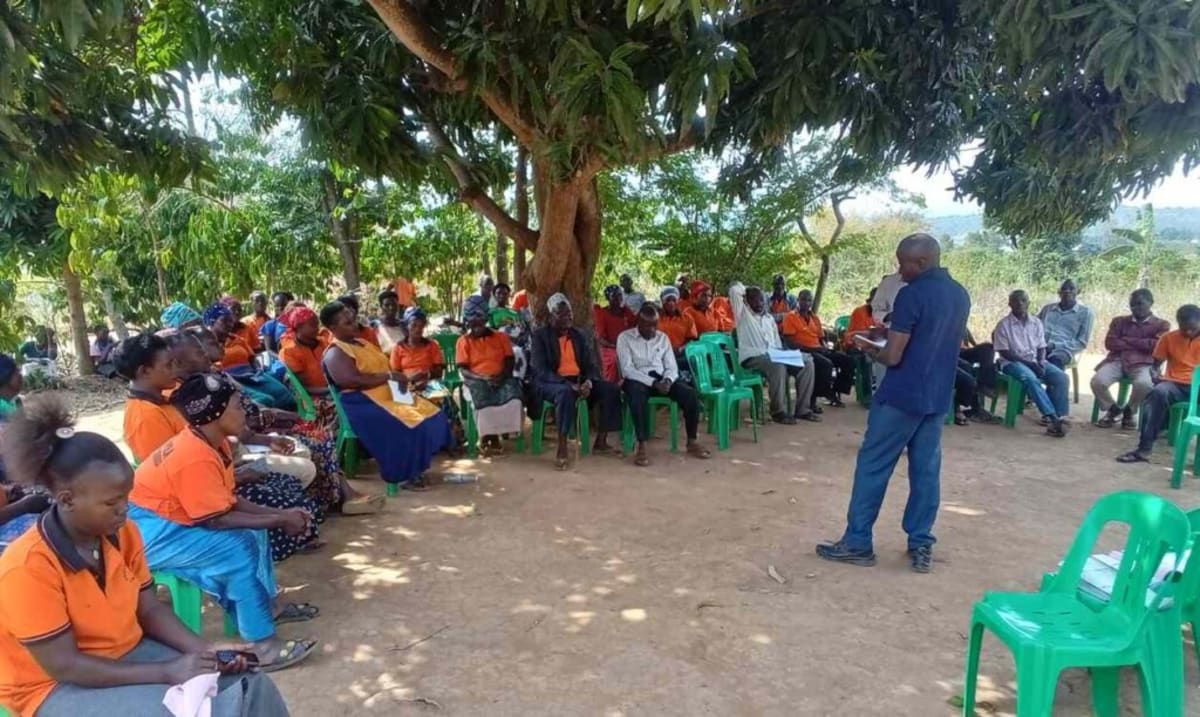
A coalition including Nespresso, the International Union for the Conservation of Nature, and Uganda's largest coffee exporter established 30 model farms across Masaka to teach local growers regenerative agriculture techniques. The approach combines simple practices like mulching with more complex methods like cover cropping to build healthy soil that can withstand unpredictable weather.
The results speak for themselves. Farmers are reporting better yields, higher quality beans, healthier trees, and more stable incomes despite erratic rainfall that once threatened their crops.
Regenerative agriculture goes beyond organic farming by actively building topsoil rather than just avoiding chemicals. Farmers plant complementary non-food plants throughout their fields to prevent erosion and replace nitrogen in the soil. Shade trees protect both the plants and the microorganisms below, while fallen leaves add organic material without any tilling.
"We used to think erosion was just something we had to live with," farmer Munanira Joseph told researchers. "But when we saw how the soil stayed in place on the demo plot, everyone wanted to try."
The timing couldn't be better. Coffee prices have risen faster than average inflation over the past decade, with some years seeing double-digit increases. For the billions of people who depend on their daily cup, more resilient coffee farming means more stable prices and supply.
Coffee sits at the heart of Uganda's economy and social fabric, making these improvements crucial for entire communities. The demonstration farms allow growers to gain hands-on experience and transplant proven drought-resistant varieties back to their own land.
The Ripple Effect
The success in Masaka shows how small changes can create waves of positive impact. Healthier soil means stronger trees, better harvests mean stable incomes, and stable incomes mean families like Fatuma's can plan for the future with confidence. The techniques are spreading farmer to farmer as neighbors see the results firsthand.
The improvements benefit everyone from the smallholder farmer tending a few acres to the office worker grabbing morning coffee thousands of miles away. When farming becomes more predictable and resilient, entire supply chains stabilize.
If Masaka's model farms continue inspiring adoption across Uganda's coffee belt, the grounds for hope are real.
More Images
Based on reporting by Good News Network
This story was written by BrightWire based on verified news reports.
Spread the positivity!
Share this good news with someone who needs it