Uganda Doubles Water Connections, Now Tackles Leaks
Uganda's water utility connected half a million new households in seven years, but vandalism and faulty meters are undermining progress. The utility is launching reforms to protect gains without punishing customers.
Uganda's national water company just connected over half a million new households to clean water, doubling its customer base since 2017. But the utility's managing director says illegal taps and broken meters are now threatening those hard-won gains.
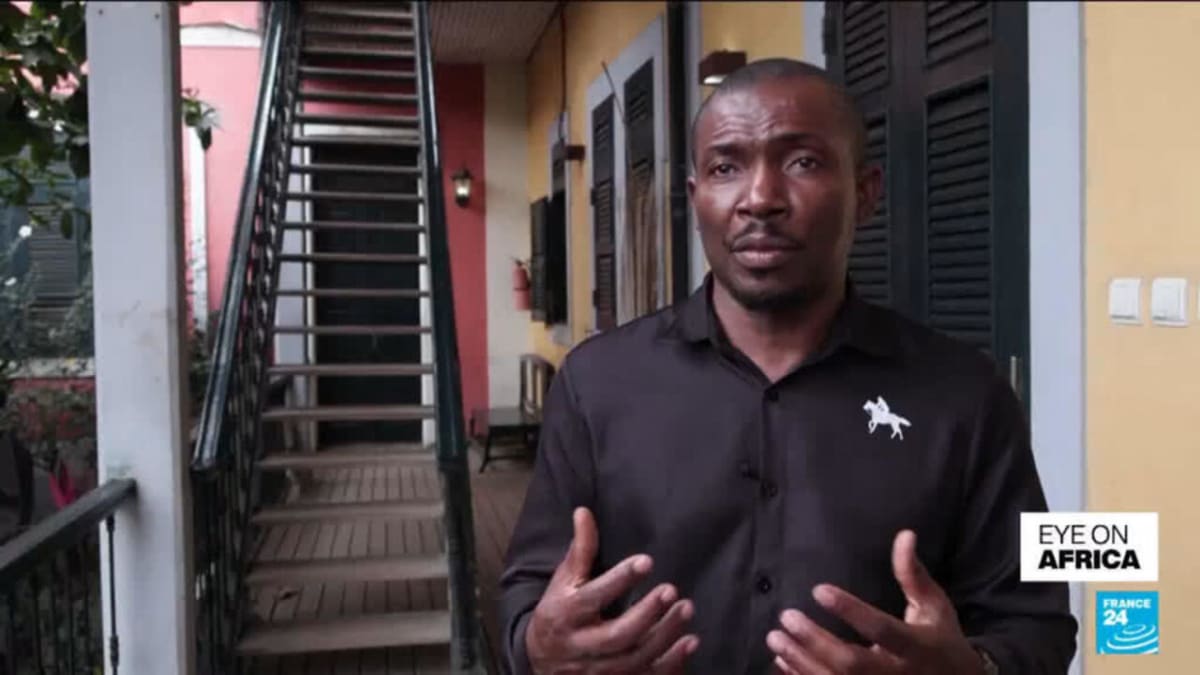
Silver Mugisha, who leads the National Water and Sewerage Corporation (NWSC), told stakeholders in Kampala last month that the country can't expand access without also fixing the leaks in the system. The problem isn't just poverty driving people to steal water. Wealthier households are tapping in illegally too.
"We have issues of illegal connections, people who are not necessarily poor," Mugisha said at the April 17 forum. These illegal hookups distort revenue and force honest customers to cover the losses.
But Mugisha is focused on fixing systems, not blaming people. He pointed to a technical problem that many utilities ignore: meters can't accurately measure low water flows, like late-night toilet flushes. Even in apartment buildings with multiple meters, the measurements don't add up.
The utility launched research to quantify exactly how much water slips through unmeasured. Results are due in June, followed by policy proposals that Mugisha says will be fair to everyone.
"There's nothing wrong with what people are doing; it is not their problem," he emphasized. "The people are free to flush their toilets. It is now our problem to see how we can measure the flow accurately."
The Bright Side
Behind the challenges lies remarkable progress. Since launching its universal water access program in 2017, NWSC has grown from 512,271 customers to over 1 million. The water network nearly doubled from 12,264 kilometers to almost 24,000 kilometers of pipes.
Public taps in low-income areas tripled to more than 32,000. Village coverage jumped from 18 percent to 65 percent, though nearly 6,000 villages still need connections. The government and utility together invested 585 billion Ugandan shillings (about $158 million) to make it happen.
NWSC now serves 282 towns, up from 170 in 2017. That rapid expansion brought new complexity, which the utility is addressing head-on by partnering with security agencies, local leaders, and communities to protect infrastructure from vandalism.
Mugisha also reassured customers worried about automated billing alerts. "A message will never disconnect your water," he said, explaining that system delays sometimes trigger notifications even after payment clears.
Uganda is proving that solving big problems creates new challenges worth tackling.
More Images


Based on reporting by AllAfrica - Environment
This story was written by BrightWire based on verified news reports.
Spread the positivity!
Share this good news with someone who needs it