Uganda Heals Thousands of Women from Preventable Fistula
After years of isolation and stigma, women across Uganda are getting life-changing surgeries that heal obstetric fistula and restore their dignity. A new nationwide program is reaching survivors in rural communities who once had nowhere to turn.
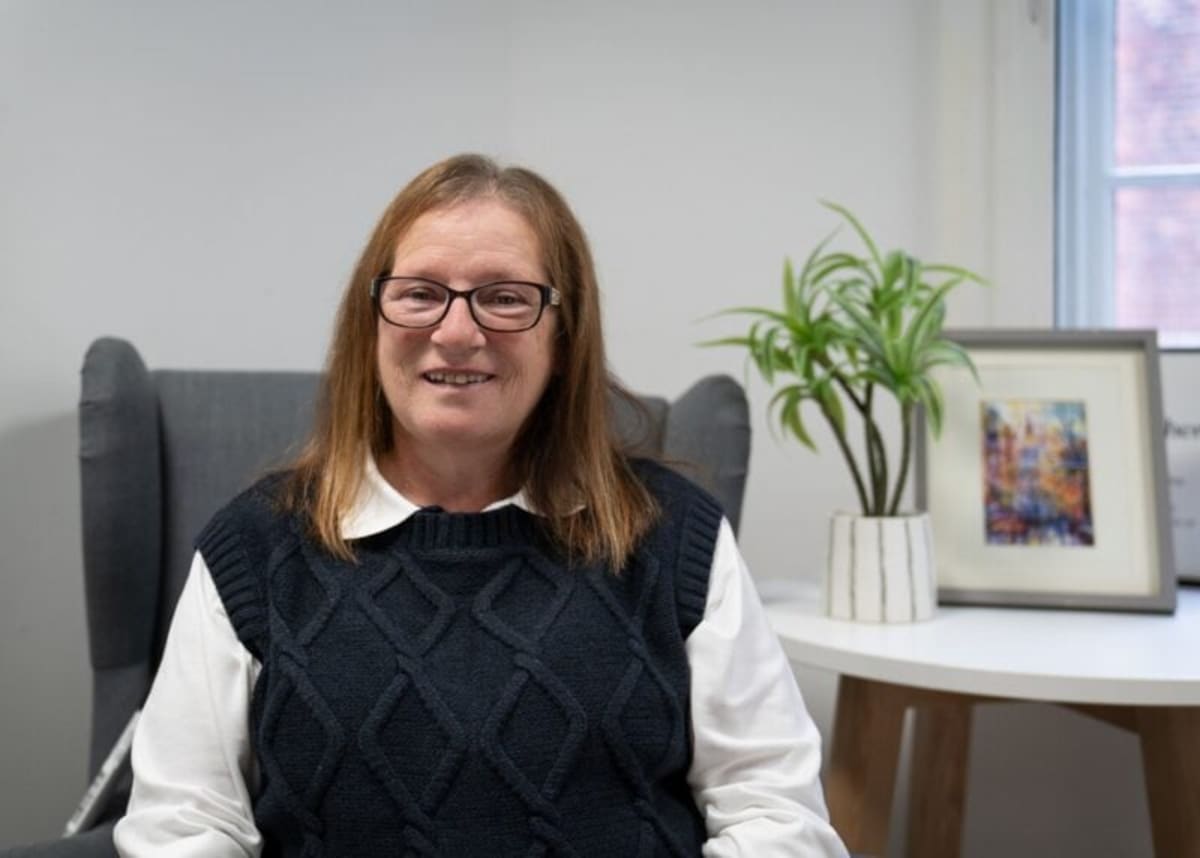
Eunice Aceng spent three years unable to control her bladder, isolated from friends and neighbors who couldn't see past her condition. The 32-year-old from Kole District had developed obstetric fistula after childbirth, a preventable injury that left her leaking urine constantly and living in shame.
Today, she's completely healed. "I am free," Aceng says, her voice steady with relief.
Her recovery came through a specialized surgery at Bwindi Community Hospital, one of the few facilities in Uganda treating fistula. A local politician sponsored her treatment after coordinators at Lira Regional Referral Hospital connected her to care.
Aceng isn't alone. Winnie Akullo, just 21, developed the same condition after days of obstructed labor ended in stillbirth when she was 17. "No one would get close to me," she remembers. Even her baby's father moved out of their home to stay with relatives.
Akullo received her corrective surgery in 2024. Both women now live without pain or the physical shame that once defined their days.
Obstetric fistula happens when prolonged labor creates holes between the birth canal and bladder or rectum, causing uncontrollable leaking. In some rural Ugandan communities, 20 percent of women know at least one person living with the condition. Experts estimate that 27.5 percent of women in rural western Uganda also suffer from related pelvic conditions.
Most cases are completely preventable with timely medical care during childbirth. But in rural areas, health facilities are far away and emergency interventions often come too late.
The Ripple Effect
The United Nations Population Fund, supported by Iceland's embassy, launched the STOP Program across Eastern and Western Uganda. Working with Marie Stopes Uganda and the Ministry of Health, the three-year initiative brings free surgical camps to remote regions.
Dr. Musa Kayondo leads the Mbarara University Urogynecology Program, which partners with regional hospitals to find and treat survivors. His team isn't just performing surgeries. They're training doctors to prevent fistula during cesarean sections and teaching them to recognize complications early.
"We're not only preventing obstructed labor, but we're also training doctors to offer safe cesarean sections so our mothers don't get complications in hospitals," Dr. Kayondo explains.
The program focuses on decentralizing specialized care so women can access treatment closer to home. Between 24 and 28 percent of African women experience urinary incontinence, yet many suffer in silence because of stigma and lack of awareness.
For survivors, the emotional recovery matters as much as the physical healing. Many have lost babies, been abandoned by partners, and faced rejection from their communities. The surgical camps offer not just medical treatment but a pathway back to normal life.
Thousands of women are still waiting for their turn, hidden in villages across Uganda. But for those like Aceng and Akullo who've already been treated, the transformation is complete.
More Images


Based on reporting by AllAfrica - Health
This story was written by BrightWire based on verified news reports.
Spread the positivity!
Share this good news with someone who needs it