Uganda Health Worker Unpaid for a Year, Still Saving Lives
When U.S. aid cuts ended his $50 monthly salary, Harerimana Ismail kept showing up to help HIV-positive children in Uganda. His dedication, and that of others like him, helped prevent a predicted collapse in global HIV treatment.
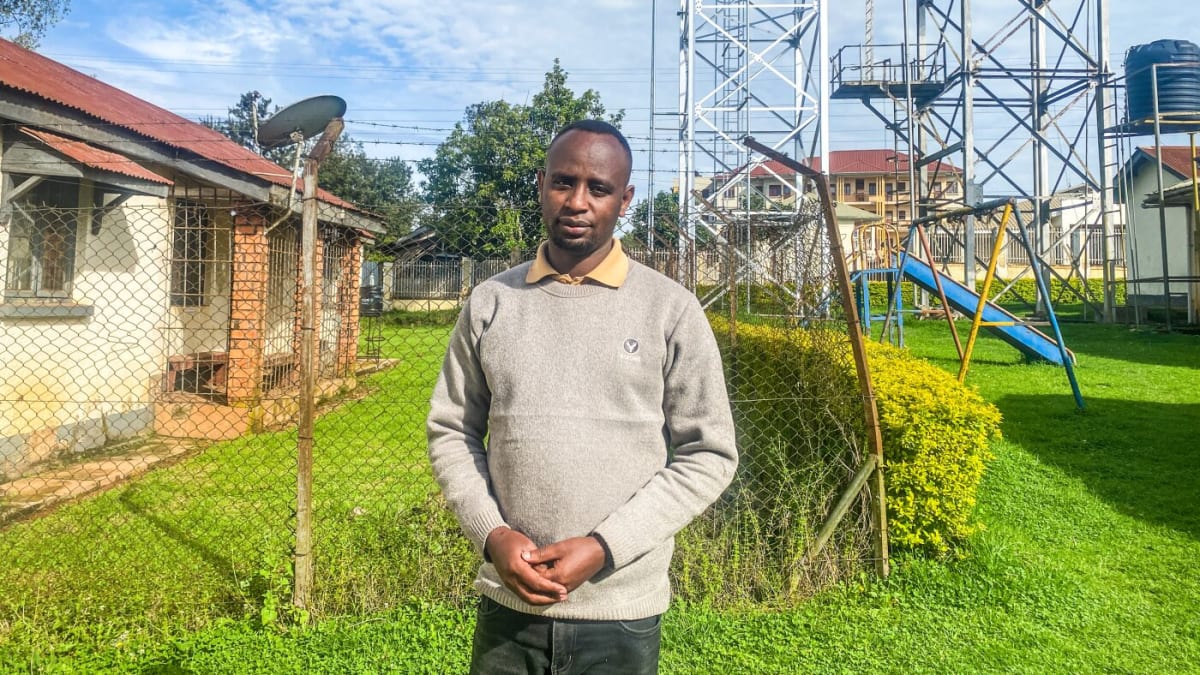
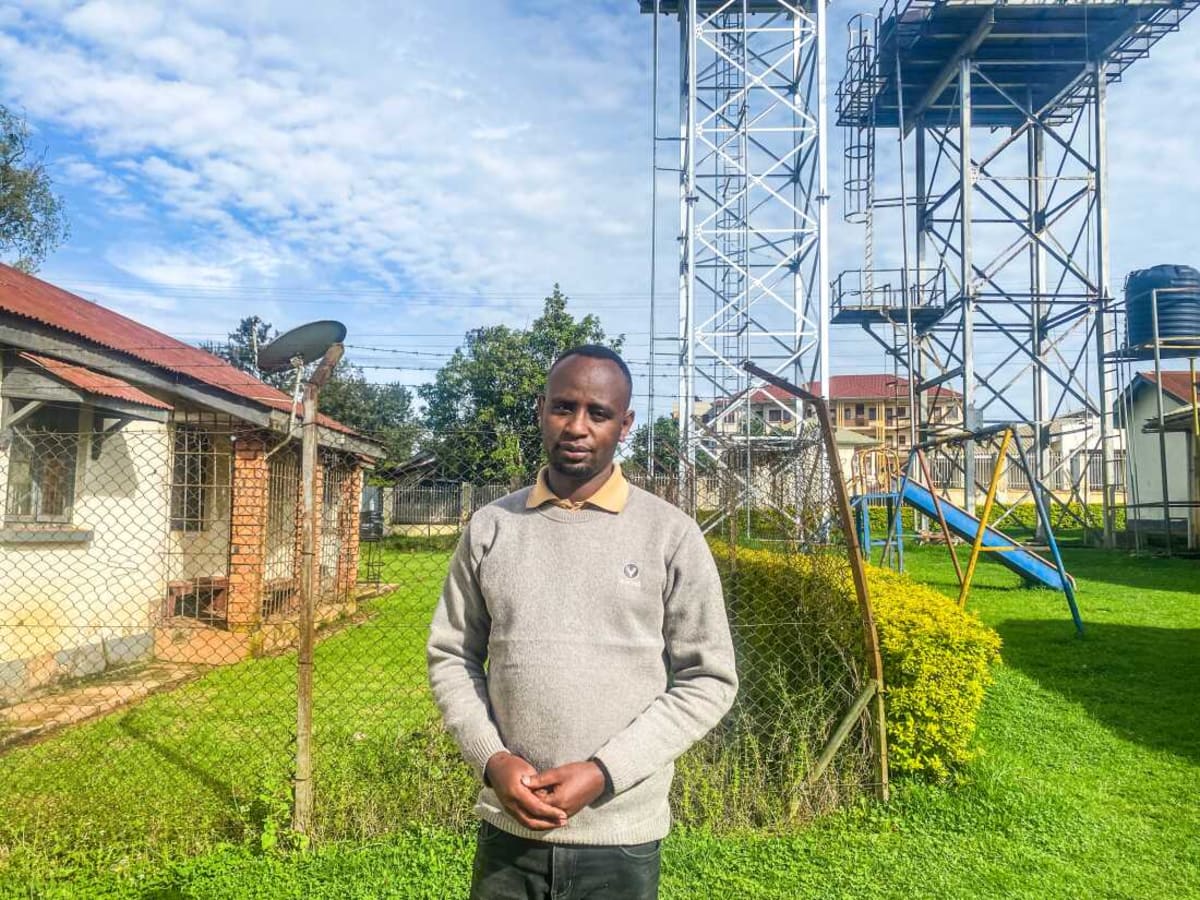
Harerimana Ismail hasn't received a paycheck in over a year, yet he still walks door to door checking on children with HIV in southwestern Uganda.
When the Trump Administration paused foreign aid in January 2025, Ismail lost his job as a community health worker at Kabale Regional Referral Hospital. His $50 monthly salary disappeared overnight, ending eight years of steady work helping young people stay on their HIV medications.
He kept working anyway. "It's just because I understand the pain young people living with HIV pass through," says the 32-year-old, who contracted HIV at birth from his mother.
Without income, Ismail now survives on vegetables from his garden. He sells Irish potatoes to pay rent and has lost 15 pounds this year.
His sacrifice, multiplied across thousands of health workers worldwide, appears to have made an enormous difference. New preliminary data from the U.S. government shows that global HIV treatment levels remained nearly stable despite the aid cuts that experts feared would be catastrophic.
The U.S. supports more than 20 million people on HIV treatment worldwide. Between late 2024 and late 2025, that number dropped by only 100,000 people, a decrease of less than one percent.
"The most severe outcomes that we were concerned about haven't come to pass," says Jeff Imai-Eaton, an associate professor of epidemiology at Harvard's School of Public Health.
Early last year, experts predicted dire consequences from the aid cuts. Charles Kenny, a senior fellow at the Center for Global Development, was among those who forecast significant treatment disruptions and potential loss of life.
The data briefly appeared on a government website before being removed, but experts say it matches what other organizations are seeing on the ground. "It complements quite well the data that we've received from countries," says Mary Mahy, director of data and evidence at UNAIDS.
The Bright Side
The resilience came from three sources working together. First, the Trump Administration restarted some programs deemed lifesaving after seeing the potential consequences.
Second, other countries and organizations stepped up funding to fill gaps. And third, individual health workers like Ismail simply refused to abandon the people counting on them.
"If this data is right, we are in a better place than I thought we would be," Kenny says, though he notes challenges remain.
For Ismail, the choice to continue was never really a choice at all. He knows firsthand what these young people face, and he won't let them face it alone.
His garden keeps him fed, his commitment keeps children healthy, and his example reminds us that sometimes the most powerful aid doesn't come from budgets at all.
More Images
Based on reporting by Google News - Health
This story was written by BrightWire based on verified news reports.
Spread the positivity!
Share this good news with someone who needs it