Uganda Mom Transforms From Despair to Champion for Her Son
After years of facing stigma and isolation as a teen mother caring for her son with disabilities, 21-year-old Martha Apolot found hope through connection with other caregivers and became her child's fiercest advocate.
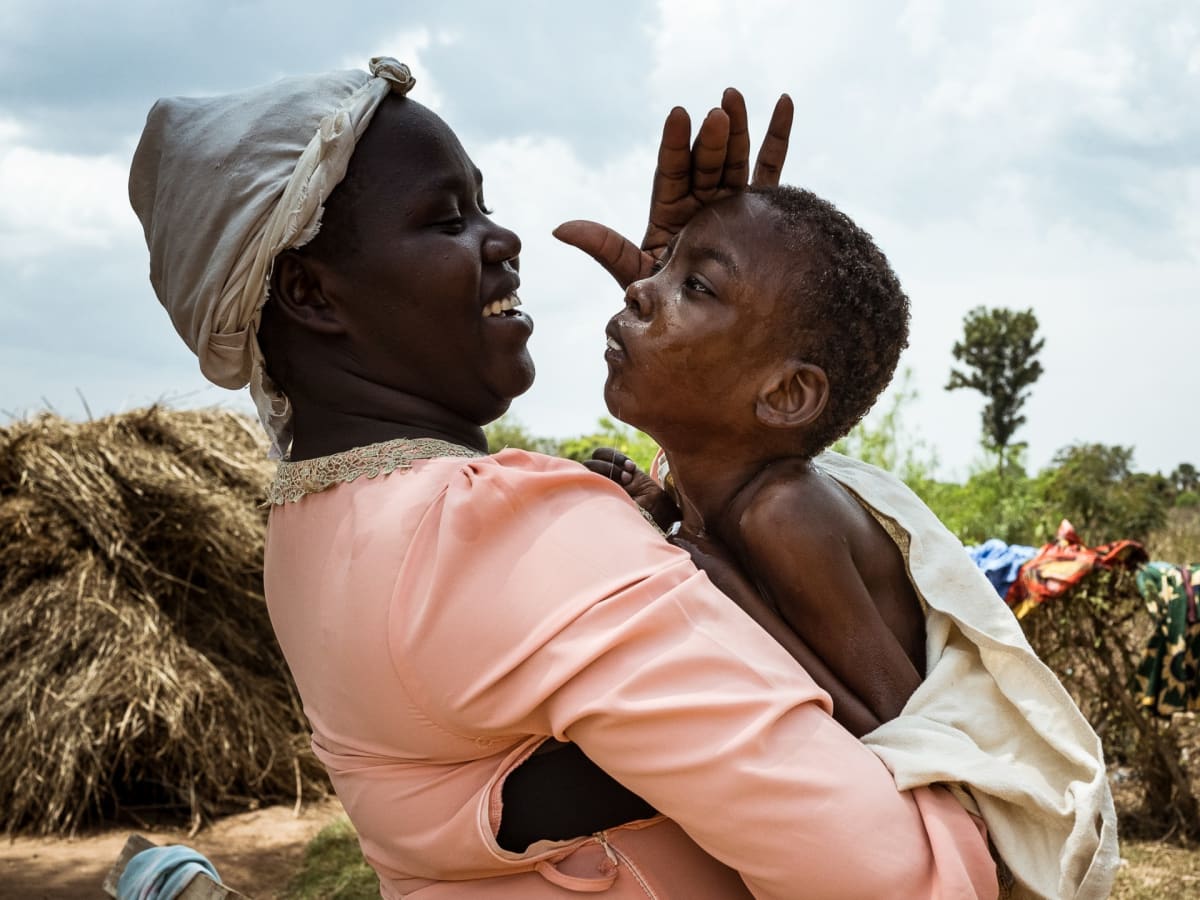
At 21, Martha Apolot carries more than farming tools through the fields of eastern Uganda. She carries her eight-year-old son Aaron on her shoulders, proving that love can triumph over the darkest despair.
Martha became pregnant at 13 after a traumatic assault. Her family banished her to a tiny hut behind their home, offering almost no support except from her brother Paul, who risked his own rejection to help her.
Aaron's difficult birth led to complications that left him unable to walk, talk, or eat solid foods. He requires constant care, which Martha provides alone while working casual farm jobs to survive.
For years, the weight felt unbearable. Hospital staff ignored them for hours during visits. Market vendors refused to serve her, asking why she brought "such a child" to public places. In Uganda, where disability is often viewed as a curse, families sometimes hide or abandon children like Aaron.
The isolation and constant rejection pushed Martha into a dark period between ages 15 and 17. She struggled with thoughts she now speaks about with deep remorse, her fingers intertwined with her son's.
Why This Inspires
Everything changed when Martha started attending therapy sessions at Soroti hospital. There, she met other mothers raising children with disabilities who spoke to her with kindness and understanding.
These connections reminded Martha of the joy she felt when Aaron was born. "He was so handsome," she recalls of that first moment. That love had never disappeared, just gotten buried under years of trauma and rejection.
"I began to realize, 'This is my child. I need to take care of my child. I need to stand up and be a champion for my child,'" Martha says with quiet strength.
Now, Martha sees Aaron not as a burden but simply as her son who deserves love. She works the fields with him beside her, feeds him liquid meals over a small fire in their 2-by-2-meter home, and advocates fiercely for his needs.
Her transformation shows how connection and community support can help caregivers move from isolation to empowerment, even in the most challenging circumstances.
Based on reporting by Al Jazeera English
This story was written by BrightWire based on verified news reports.
Spread the positivity!
Share this good news with someone who needs it