Uganda Partners Unite to Bring Clean Water to 14 Million
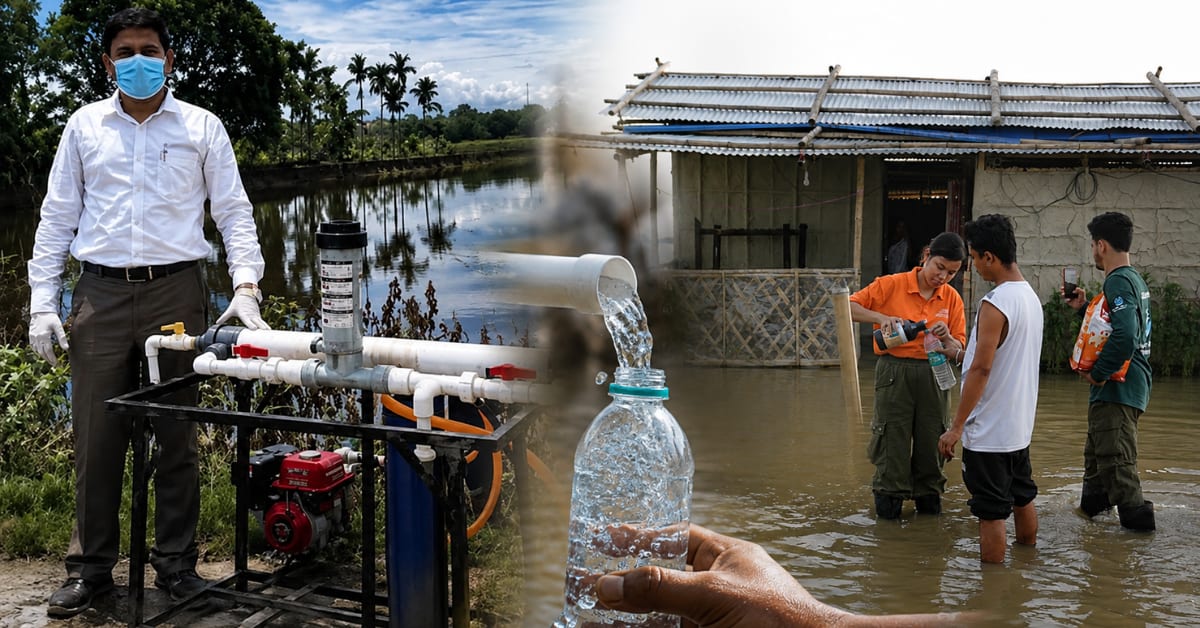
Uganda just turned conversations into action with new partnerships aimed at closing a massive water access gap. Fourteen million people could finally get clean water as government, banks, and nonprofits team up to fix the country's biggest infrastructure challenge.
Uganda just proved that collaboration beats conversation when it comes to solving big problems. The Ministry of Water and Environment signed strategic agreements with private sector leaders and nonprofits in Kampala this week, creating a united front to bring clean water and sanitation to millions who still lack access.
The numbers tell a story of both progress and urgency. About 72 percent of Ugandans now have access to safe water, thanks to over 150,000 facilities built by 2023, including deep boreholes, protected springs, and rainwater harvesting systems. But 14 million people still wake up every day without clean water at their fingertips.
Water for People Uganda, the Uganda Bankers Association, and ZOA Uganda joined government officials at the Strategic Partners' Breakfast Meeting to formalize their commitments. These aren't just handshake deals. Partners signed both tripartite and bilateral agreements designed to strengthen service delivery across the entire nation.
The sanitation picture reveals an even bigger challenge. Only 43.6 percent of households have access to improved sanitation facilities, creating ongoing public health risks that ripple through communities. Experts estimate that inadequate water and sanitation investment costs Uganda's economy up to 2.9 percent of GDP annually through disease, lost productivity, and higher healthcare costs.
Money remains the biggest obstacle to faster progress. Uganda currently allocates about 1.2 trillion shillings annually to water and environment projects, but the sector needs 5 trillion shillings now and an estimated 10 trillion by 2030. That's where the new partnerships come in, bringing together government resources with private sector innovation and nonprofit expertise.
The Ripple Effect spreads far beyond infrastructure. When families get clean water, children spend less time walking to distant sources and more time in school. Mothers face lower healthcare costs and can invest time in income-generating work. Communities see fewer waterborne diseases and stronger economic growth. The partners understand that every borehole and protected spring creates cascading benefits that strengthen entire regions.
The upcoming Uganda Water and Environment Week 2026 will serve as a launching pad for these collaborations. The annual event brings together investors, policymakers, and technical experts to turn commitments into concrete projects. Organizers are calling on additional stakeholders, including media and academia, to join the coalition and help shape outcomes.
Fourteen million people waiting for clean water represents a massive challenge, but Uganda's new unified approach shows what happens when everyone rows in the same direction.
More Images


Based on reporting by AllAfrica - Environment
This story was written by BrightWire based on verified news reports.
Spread the positivity!
Share this good news with someone who needs it