Uganda Reaches 90% Vaccination Rate, Beats Mpox Outbreak
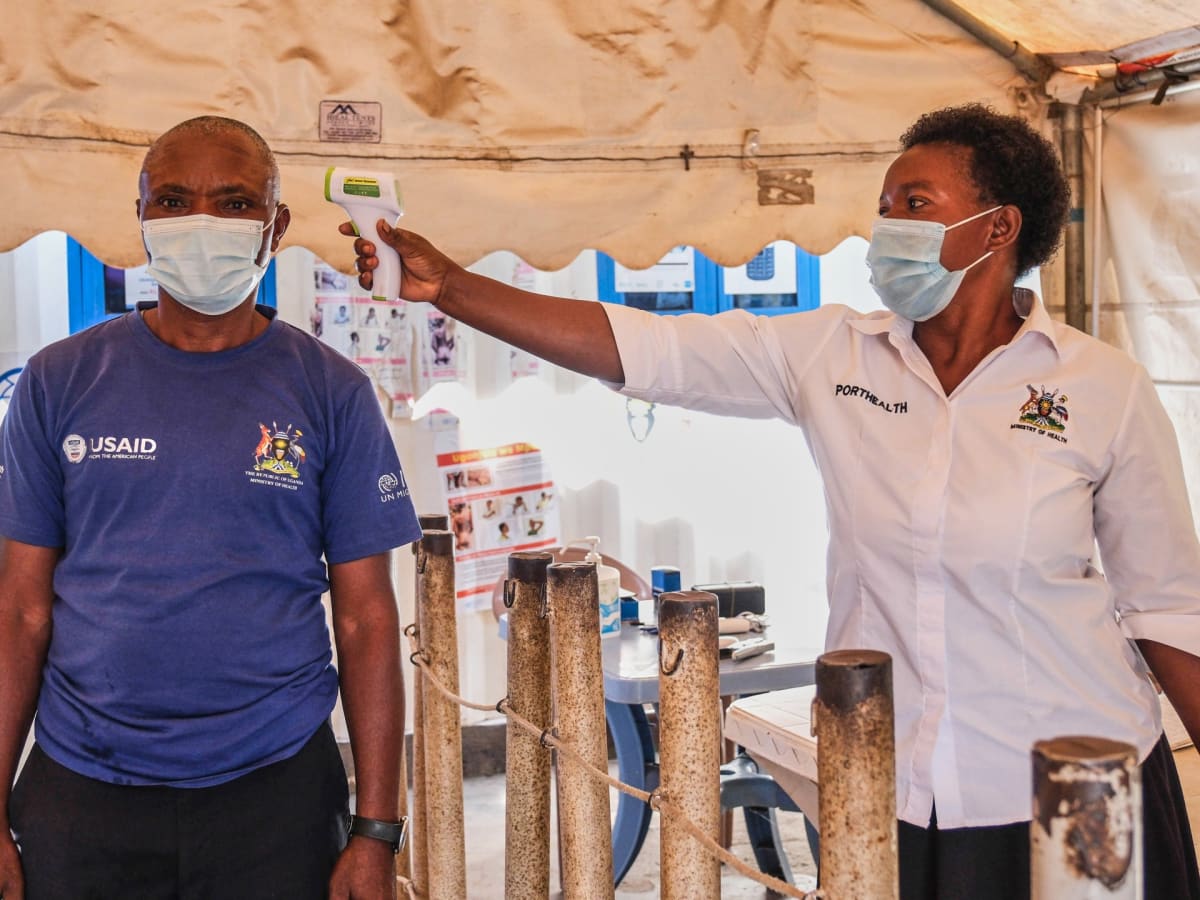
Uganda's public health system just proved what's possible when a country prioritizes prevention. Over 90% of children are now protected against 14 deadly diseases, while measles and Mpox outbreaks have dramatically declined.
More than a million Ugandan children are now protected against malaria thanks to the world's largest rollout of the malaria vaccine in 2025. The achievement marks a turning point for a country that once struggled with vaccine access.
Uganda's Ministry of Health announced that routine immunization coverage exceeded 90% across most vaccines last year. The program now shields children from 14 vaccine-preventable diseases, including polio, tuberculosis, hepatitis B, yellow fever, and cervical cancer.
The malaria vaccine rollout in 107 high-burden districts has already surpassed its target. Officials report that 101% of the target population received their first dose, with strong follow-through on second and third doses at 67% and 47% respectively.
Another major win came in cervical cancer prevention, which kills over 4,000 Ugandan women each year. Following World Health Organization guidance, Uganda switched to a single-dose HPV vaccine for 10-year-old girls, making protection more accessible and easier to complete.
The country also finished its final phase of yellow fever vaccination in 2025. Over 30 million Ugandans have now received lifetime protection, and the vaccine has become part of routine immunization for nine-month-old babies.
Despite facing measles outbreaks in 66 districts early in 2025, Uganda's response vaccination campaign cut new outbreaks by 80%. Confirmed cases dropped by 73% by year's end, with 43 districts declaring their outbreaks over.
Mpox cases followed a similar trajectory. After peaking in early 2025, the disease declined steadily once vaccination reached 45 districts. Over 350,000 vaccine doses were administered with high utilization rates and no serious safety concerns.
The country also tackled its "zero-dose children" problem head-on. Through intensified community outreach, Uganda reduced the number of children who had never received any vaccine from 104,000 in early 2024 to just 36,452 by 2025.
The Ripple Effect
These vaccination wins extend far beyond individual health. When 90% of children are immunized, entire communities gain herd immunity, protecting even those who cannot be vaccinated due to medical conditions.
The malaria vaccine rollout alone could save thousands of young lives each year. Malaria remains one of the leading killers of African children, and Uganda's success creates a blueprint other nations can follow.
Perhaps most transformative is the cervical cancer vaccine program. By immunizing all 10-year-old girls, Uganda is protecting an entire generation of women from the country's leading cancer killer.
Challenges remain, including vaccine misinformation and reduced partner funding. But the dramatic drop in zero-dose children shows what's achievable when health systems invest in reaching every community.
Uganda's progress proves that prevention works, and that even resource-limited countries can achieve vaccination coverage rivaling wealthy nations when they make public health a priority.
More Images

Based on reporting by AllAfrica - Health
This story was written by BrightWire based on verified news reports.
Spread the positivity!
Share this good news with someone who needs it