Ugandan Woman Turns Shea Waste Into Clean Cooking Fuel
Lucy Everlyn Atim is transforming discarded shea tree husks into affordable fuel briquettes, creating income for 1,200 women while offering an alternative to charcoal that's destroying Uganda's forests. Her social enterprise is saving trees, empowering communities, and proving that waste can become wealth.
When Lucy Everlyn Atim returned home to northern Uganda after six years away, her childhood's favorite shea tree had been cut down for charcoal. It was just one of thousands disappearing as Uganda loses 122,000 hectares of forest each year.
The loss hit hard, but it sparked an idea. While working in South Sudan's refugee settlements, Atim had met a woman making cooking fuel from discarded shea husks. She knew this solution could work back home.
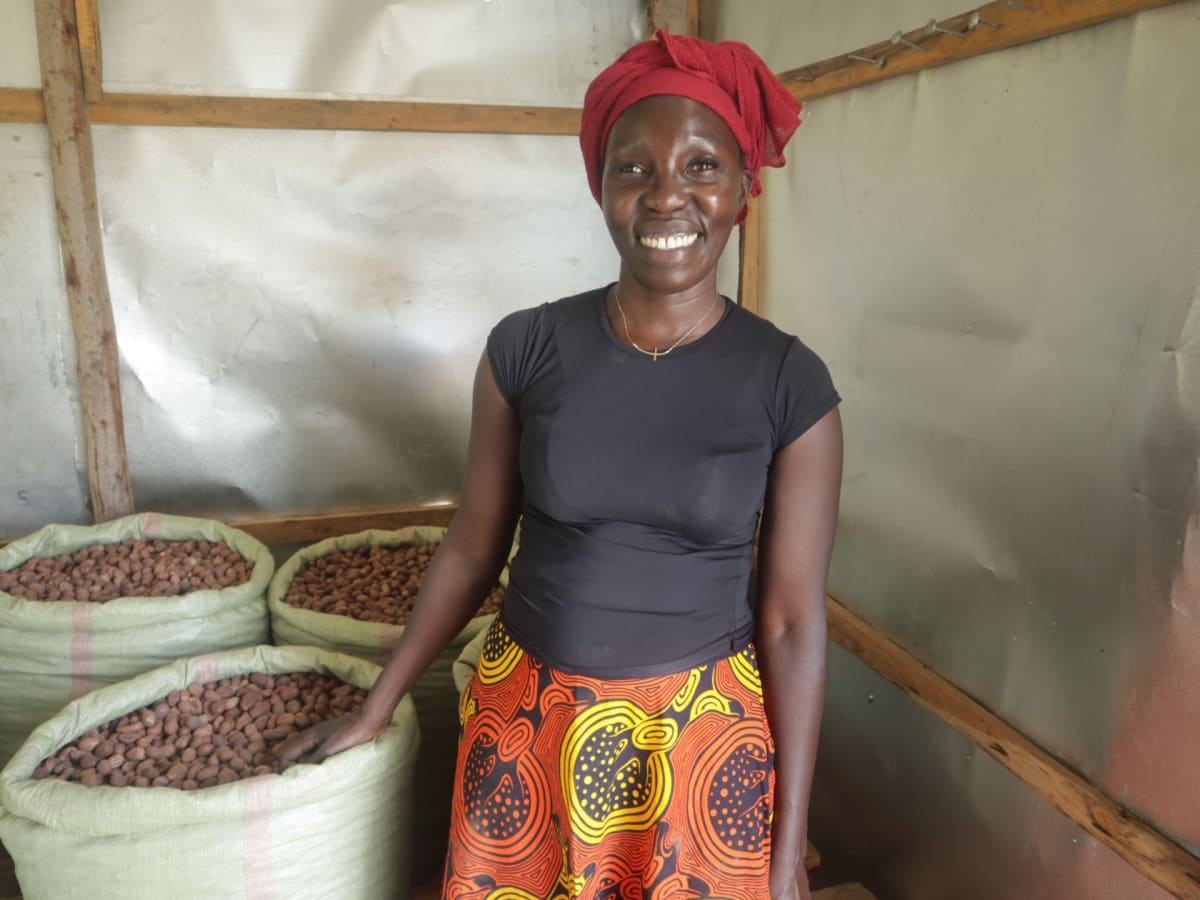
In 2023, Atim founded Moyao Africa Initiative to turn shea waste into fuel briquettes. The social enterprise now works with more than 1,200 women across Alebtong District, teaching them to collect shea husks, crush them, mix them with clay and cassava flour, then mold them into cooking fuel.
Before joining the program, women like Catherine Akello threw the husks away after processing shea kernels into butter. Now those same husks heat her cooking pots. "I don't have to worry about buying charcoal whenever I want to cook because I make my own briquettes," the 47-year-old mother of five says.
The timing couldn't be more critical. About 90 percent of Ugandan households rely on charcoal for cooking, driving deforestation that threatens indigenous trees like shea. Research from Makerere University found that mature shea populations on fallow land dropped from 20 trees to just 10-15 between 2008 and 2017.
The Ripple Effect
What started as one woman's response to a missing tree is now creating waves across northern Uganda. The initiative employs six staff members and helps women generate income through both briquette sales and shea butter production.
Women organize into savings groups, pooling money from their sales to support families during emergencies. They're learning that environmental protection and economic empowerment can fuel each other.
Atim isn't stopping at briquettes. Her initiative runs environmental clubs in 20 schools and partners with Uganda's National Agricultural Research Organisation to distribute tree seedlings, helping communities replant what's been lost.
The next goal is ambitious: increase shea butter production from 600 liters to 6,000 liters annually. That means more husks available for briquettes and more women earning sustainable incomes. Atim is saving to buy equipment that will allow year-round production, even outside harvest season.
Renewable energy expert Bosco Odyek confirms the approach works, noting that carbonized briquettes burn cleaner and more efficiently than raw charcoal. The solution addresses both environmental destruction and energy poverty with materials that would otherwise go to waste.
On hot afternoons in Alebtong, groups of women now gather under the remaining shea trees, pounding husks and molding briquettes while sharing the rhythm of work that protects their forests and feeds their families.
Based on reporting by Google News - Clean Energy
This story was written by BrightWire based on verified news reports.
Spread the positivity!
Share this good news with someone who needs it