UK Airline Signs 15-Year Sustainable Jet Fuel Deal
Britain's largest regional airline just locked in a 15-year supply of sustainable aviation fuel made from wind power and waste. The groundbreaking deal could help smaller wind farms finally find a use for their excess energy.
📺 Watch the full story above
Loganair, the United Kingdom's largest regional airline, just signed a 15-year agreement to power its planes with fuel made from wind energy and biomass waste. It's the longest sustainable aviation fuel commitment in the airline's history and a major step toward cleaner skies.
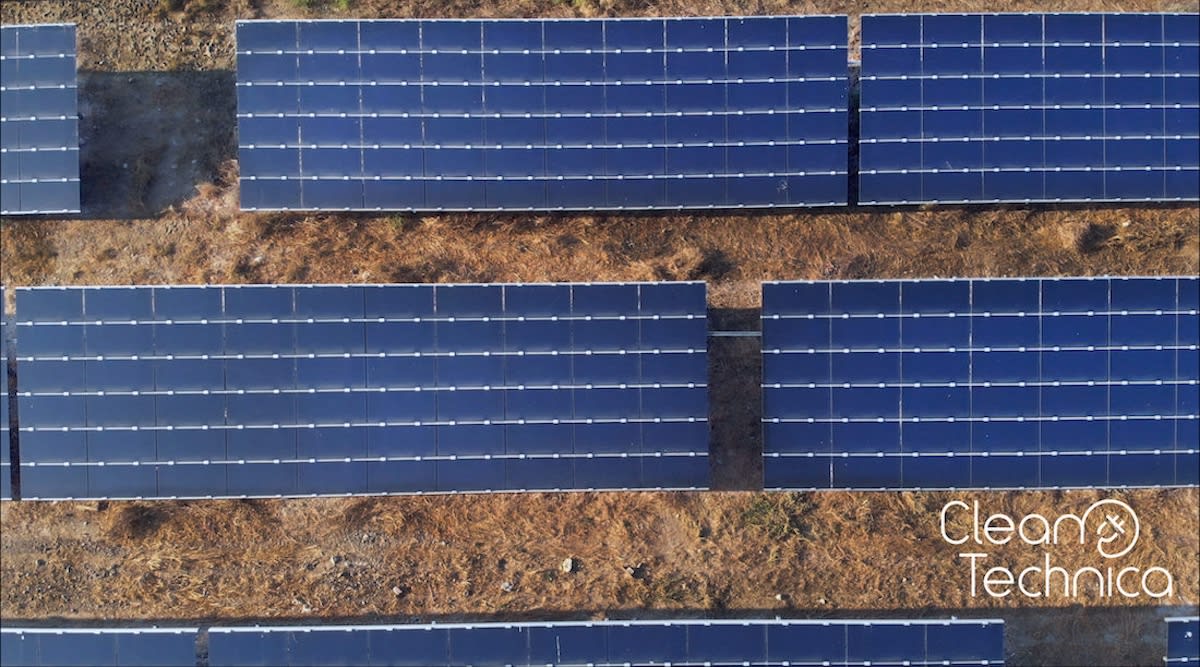
The deal partners Loganair with ClimaHtech Green Flight, a Belfast company that's cracked a crucial problem: what to do with wind power when nobody needs it. During low-demand periods, hundreds of UK wind farms simply shut down their turbines because the grid can't handle the extra electricity. Now that "stranded" energy will make jet fuel instead.
Here's how it works. ClimaHtech's system can plug directly into small wind farms, the kind too tiny to support traditional fuel plants. The UK has nearly 10,000 onshore wind turbines, and over half of its wind farms produce less than 10 megawatts. These smaller operations have struggled to find buyers for their excess power.
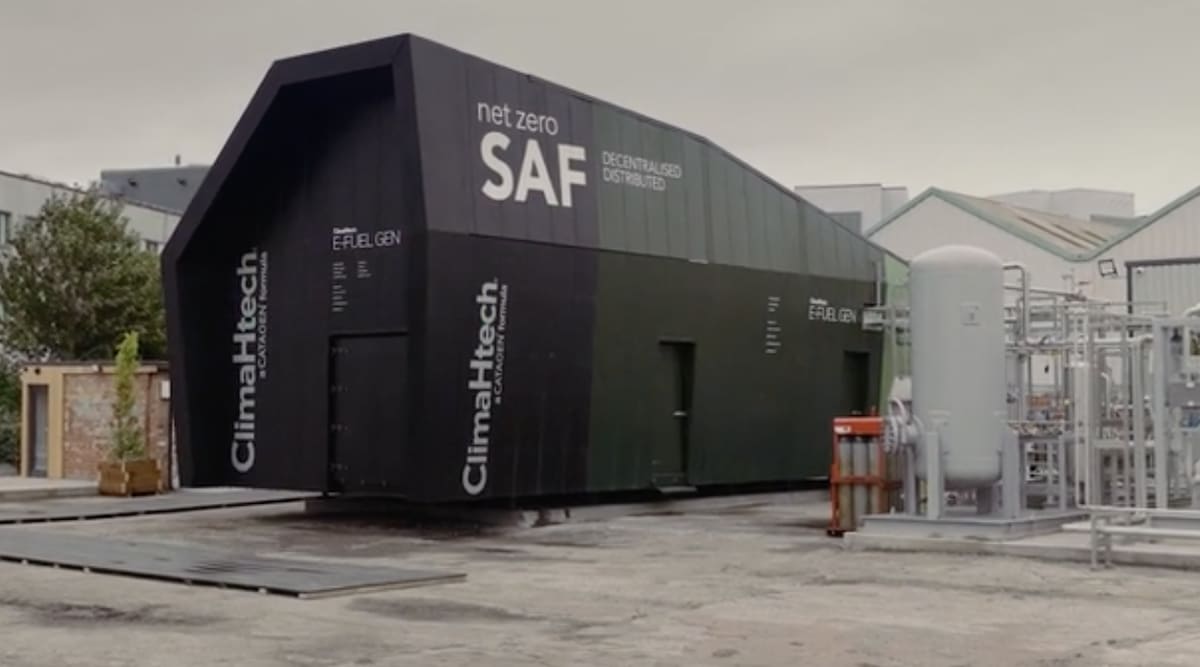
The technology creates two types of sustainable fuel. BioSAF comes from combining that wind electricity with waste biomass like used cooking oil and food scraps. eSAF skips the biomass entirely, using just renewable electricity in a chemical process. Both fuels work in existing jet engines without modifications.
The modular design means production facilities can be built near wind farms in weeks, not years. That avoids expensive grid upgrades and keeps fuel production local. For Loganair, which operates flights across Scotland and remote UK islands, having fuel produced nearby means less dependence on global supply chains.
The Ripple Effect
This partnership does more than reduce one airline's carbon footprint. It creates a blueprint for regional energy independence that other airlines and countries can copy. Small wind farms finally have a profitable use for electricity they used to waste. Rural communities gain new jobs in fuel production. And during times of global tension, like the recent Iran war that threatened Europe's jet fuel supply, local fuel production becomes a security advantage.
The United States is catching up too. American sustainable aviation fuel production doubled in 2024 when several major facilities came online in California, Montana, Nevada, and Hawaii. What started as a 2,000-barrel-per-day industry at the beginning of 2024 has grown dramatically.
The aviation industry produces about 2.5% of global carbon emissions, and that number has been climbing as more people fly. Sustainable fuel won't solve everything overnight, but deals like Loganair's prove the technology works at commercial scale.
CEO Luke Farajallah put it simply: the agreement secures fuel "produced closer to where we operate, supports UK supply chains, and reflects our commitment to lower our carbon footprint." Sometimes the best solutions connect dots nobody thought to connect before.
One airline just turned tomorrow's wasted wind into today's cleaner flights.
More Images
Based on reporting by CleanTechnica
This story was written by BrightWire based on verified news reports.
Spread the positivity!
Share this good news with someone who needs it