UK Biobank Reopens After Security Upgrade Protects 500K
After a data breach forced UK Biobank offline for five months, the world's most valuable health research database is reopening with stronger protections. The response shows how institutions can rebuild trust while keeping vital research moving forward.
One of the world's most important medical research tools just came back online stronger than ever, and it's good news for everyone who cares about health breakthroughs.
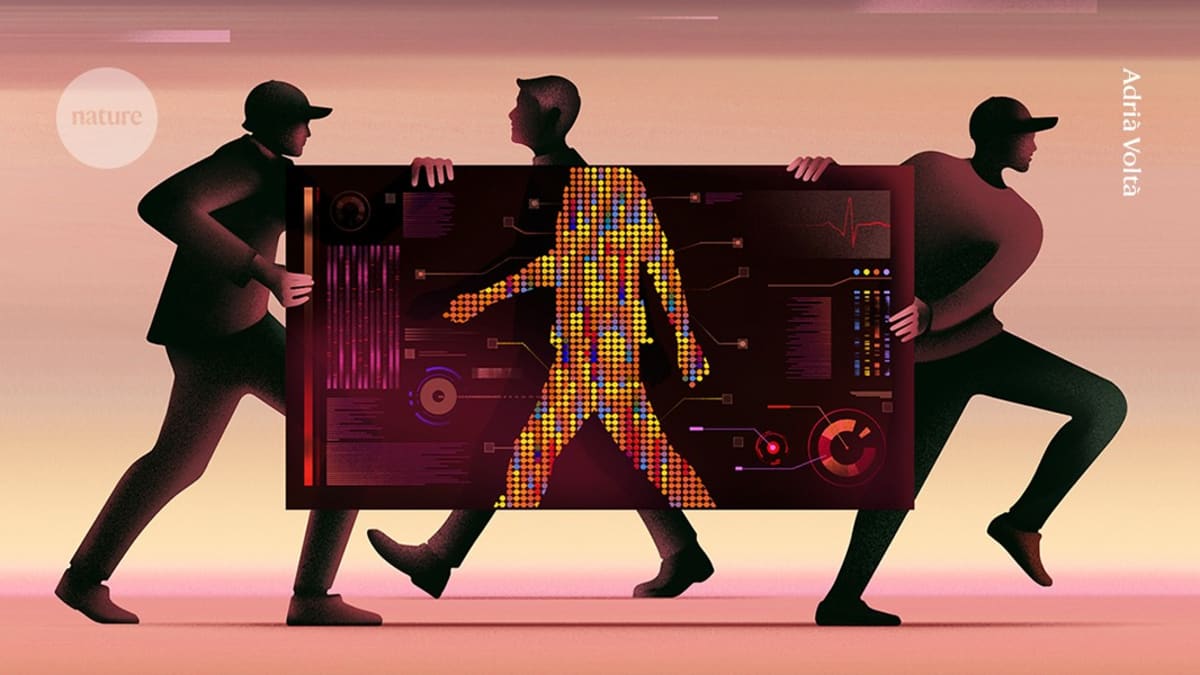
UK Biobank, a massive health study tracking 500,000 people, discovered in April that someone was trying to sell participant data on a Chinese e-commerce site. Within days, the organization worked with Alibaba and officials in the UK and China to remove the listing and begin a complete security overhaul.
The stakes were high. Scientists have learned more about human biology from UK Biobank than perhaps any other single resource, according to geneticist Daniel MacArthur. The database contains genetic information, medical imaging, health histories, and lifestyle data that researchers worldwide use to make discoveries about disease, treatment, and prevention.
Rather than downplay the incident, UK Biobank chose transparency. They shut down researcher access completely and launched an investigation that uncovered two additional instances of data being offered for sale, all linked to institutions in China. All listings were removed, the institutions were banned, and Alibaba now runs automated searches to catch any future violations.
The five-month shutdown gave UK Biobank time to build new infrastructure from the ground up. They discovered that about 700 of their 1,500 research institutions had failed to confirm they deleted data after their authorized period ended. The investigation also revealed researchers had accidentally uploaded sensitive information to public code repositories dozens of times.
The Bright Side
The transformation goes beyond fixing immediate problems. UK Biobank is implementing stricter vetting for researchers and institutions, adding layers of security while maintaining the accessibility that made it so valuable. Director of data policy Joe Watts acknowledges they're walking a careful line between protection and progress.
Other research databases are following suit. After similar security concerns, institutions worldwide are strengthening controls without shutting out legitimate scientists. The consumer genetic testing company 23andMe upgraded its security protocols after a 2023 breach, showing that even commercial operations are taking data protection more seriously.
These improvements matter because biobanks represent years of trust from hundreds of thousands of volunteers who shared their most personal information for the greater good. Protecting that trust protects future research possibilities.
UK Biobank's handling of this crisis demonstrates how institutions can respond to threats with both urgency and thoughtfulness. They didn't hide the problem or rush a quick fix. They took the time to build something better.
The reopening this month means researchers can return to work that could unlock treatments for cancer, heart disease, mental health conditions, and countless other challenges. And participants can feel more confident their generous contribution remains secure.
More Images


Based on reporting by Nature News
This story was written by BrightWire based on verified news reports.
Spread the positivity!
Share this good news with someone who needs it