UK Biobank Unlocks 20 Years of GP Records for 500K Patients
Half a million Britons who volunteered for a groundbreaking health study two decades ago can finally help researchers solve medical mysteries. After years of bureaucratic delays, their complete medical records are now accessible to scientists studying diseases and aging.
Twenty years ago, 500,000 middle-aged Britons walked into clinics, donated blood samples, and made a promise that would change medicine. They agreed to let researchers study their health for the rest of their lives.
These volunteers joined UK Biobank expecting their medical data would unlock insights into disease and aging. Instead, a critical piece of information remained locked away until this week.
The missing puzzle piece was GP records, the everyday medical notes documenting arthritis diagnoses, asthma treatments, depression management, and diabetes care. These records stayed inaccessible because individual doctors carried legal liability for sharing each patient's data.
Now NHS England has taken over that legal responsibility, and researchers can finally see the complete picture. The change happened overnight, transforming what was already a world-changing study into something even more powerful.
The timing couldn't be better. UK Biobank participants now average 73 years old, the age when people visit their GP most frequently for chronic conditions.
"Literally overnight, we will have information on conditions that are largely diagnosed and managed in primary care," said Naomi Allen, UK Biobank's chief scientist. She expects the available data on depression and diabetes to double immediately.
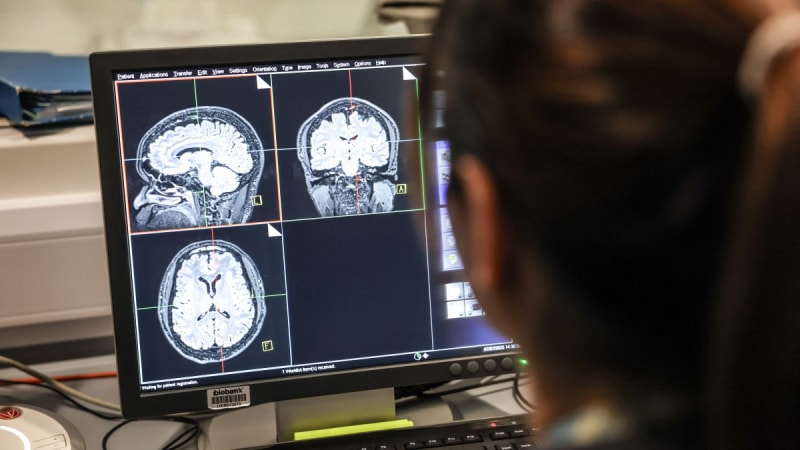
The study has already produced 18,000 peer-reviewed research papers using hospital records and genetic data from participants. Scientists have sequenced half a million genomes, tracking how genes and lifestyle connect to illness.
The Ripple Effect
Liam Smeeth from the London School of Hygiene and Tropical Medicine called the change transformative. Researchers can now understand what truly causes diseases and why medications work for some patients but not others.
The participants themselves have been waiting for this moment. When Allen talks to volunteers, they're shocked to learn researchers didn't already have full access.
"When you talk to our participants, they say, 'I thought you had access,'" Allen explained. "They can't believe how difficult it is."
These volunteers signed consent forms two decades ago specifically allowing access to all their health records. They thought they were already contributing to medical breakthroughs.
Now they finally are. As Biobank participants continue aging, their GP records will capture the earliest signs of hearing loss, vision problems, and cognitive changes that happen outside hospitals.
The breakthrough means researchers can track diseases from their very first symptoms through treatment and progression, creating an unprecedented map of how humans age and why some people stay healthier than others.
Half a million generous Britons are about to help millions more live longer, healthier lives.
More Images


Based on reporting by Google News - Medical Breakthrough
This story was written by BrightWire based on verified news reports.
Spread the positivity!
Share this good news with someone who needs it