UK Firm Builds £2M Facility to Revive Old EV Batteries
A British company is investing £2 million in a new facility that gives retired electric vehicle batteries a second life powering the electrical grid. The Norfolk testing center will prove old EV batteries can store clean energy for years after leaving the road.
Old electric car batteries aren't trash. They're about to become treasure for Britain's power grid.
Connected Energy, a UK company that specializes in giving retired EV batteries new jobs, is building a £2 million testing facility in Norfolk. The center will open by mid-2026 and prove that batteries too worn for driving can still store clean energy for communities.
Here's why this matters. When an EV battery drops to around 70 or 80 percent capacity, it's no longer ideal for powering a car. But that same battery still has plenty of juice left for less demanding work, like storing solar and wind energy for the electrical grid.
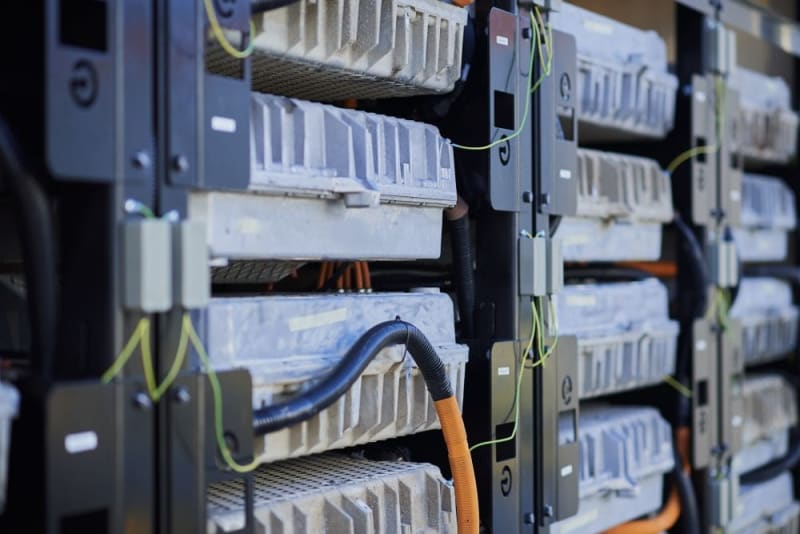
The new facility at Scottow Enterprise Park will test batteries from electric buses and trucks, including vehicles from Volvo Group, one of Connected Energy's investors. It will also house the company's first 5 megawatt-hour battery storage system, large enough to power hundreds of homes.
Connected Energy has already proven the concept works. In 2020, they partnered with Renault to build a large storage system using second-life batteries. Now they're scaling up.
"Having successfully shown how second-life battery storage can work on a commercial scale, we are now moving to owning and operating grid-scale storage sites," says Matthew Lumsden, Connected Energy's CEO. The facility will gather data to help build even larger systems as more retired EV batteries become available.
The Ripple Effect goes beyond just recycling. This approach tackles two problems at once. It keeps valuable battery materials out of landfills while providing affordable energy storage to help renewable power sources work better.
Right now, the market for second-life batteries is small because relatively few electric vehicles have reached retirement age. But that's changing fast. As millions of EVs hit the roads worldwide, a wave of usable batteries will eventually need new homes.
The UK government is backing the project through the Advanced Propulsion Centre, recognizing that battery reuse is crucial for a sustainable electric future. Every battery that gets a second career means fewer raw materials mined and less manufacturing needed.
Connected Energy isn't alone in this space. Companies like Germany's Voltfang and others are racing to build similar systems. Some even use brand new batteries that were overproduced when EV demand slowed.
The Norfolk facility will provide hard numbers on how profitable second-life batteries can be through energy trading and grid services. That data could convince more companies to invest in giving batteries second chances instead of recycling them immediately.
This testing center represents the next chapter in electric vehicle sustainability, proving the batteries that powered our morning commutes can light our homes for years to come.
More Images


Based on reporting by Google News - Electric Vehicle
This story was written by BrightWire based on verified news reports.
Spread the positivity!
Share this good news with someone who needs it