UK Firm Turns 50,000 Streetlights Into AI Data Centers
A British company is transforming ordinary lampposts into solar-powered mini data centers, starting with 50,000 units in Nigeria. The innovation could bring computing power, internet access, and revenue to communities while running entirely on sunshine.
Streetlights might soon do a lot more than illuminate sidewalks. A Warwickshire-based company has figured out how to turn them into tiny, solar-powered data centers that can process AI tasks without drawing energy from the grid.
Conflow Power Group's "iLamps" pack batteries, solar panels, and low-powered computer chips inside streetlight poles. Each unit runs on just 15 watts of power, thanks to energy-efficient chips from NVIDIA that can handle artificial intelligence tasks.
The company just signed a deal to install 50,000 of these smart lampposts across Katsina, a state in Nigeria. When networked together, the lights create a distributed computing system that can process AI workloads while providing street lighting and free public internet.
Chairman Edward Fitzpatrick sees Africa as the perfect proving ground. "There's plenty of sunshine which is great, they want us to put the street lights on the street," he told the BBC.
The iLamps will be manufactured in Morocco, Taiwan, and Latvia, but Katsina is also building its own assembly factory. This creates local jobs while bringing the technology to a region that needs both infrastructure and economic opportunity.
Nigeria will earn money by leasing the processing power to AI companies. After three years, Conflow takes a 20% revenue cut, creating an ongoing income stream for the state.
The technology isn't designed to replace massive data centers that train major AI systems. Industry experts say the lampposts work best as access points connecting users to larger facilities, similar to how cell towers function for mobile networks.
The Ripple Effect
This approach solves multiple problems at once. Communities get street lighting, internet access, and revenue without increasing their carbon footprint. Traditional data centers consume enormous amounts of electricity and water, sometimes matching the energy use of entire countries.
Dr. Hafiz Ibrahim Ahmad, Katsina's Special Adviser on Power and Energy, called the project transformative. He envisions "safer streets, real-time crime and terrorism prevention, free public internet and a revenue stream that flows back into the state."
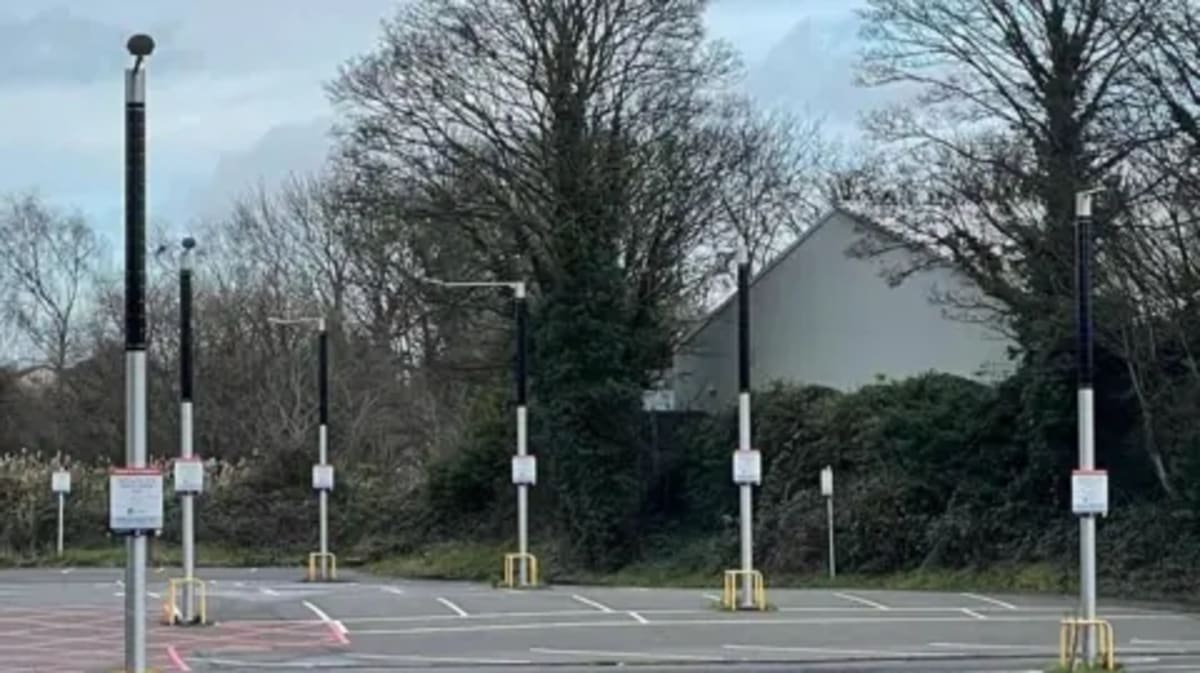
The lights are already working in smaller deployments. A car park at Warwick Hospital uses iLamps with cameras for monitoring and license plate recognition.
Some experts raise concerns about physical security and whether the distributed approach can match the efficiency of centralized facilities. Fitzpatrick addressed the theft risk by designing the chips to self-destruct if removed from their posts.
The bigger picture extends beyond computing power. In regions with unreliable electricity grids, solar-powered infrastructure offers reliability that traditional systems can't match. Communities get technology upgrades without the prerequisite of existing power infrastructure.
Katsina now hosts what Ahmad describes as "the only distributed AI data centre of its kind anywhere on the African continent." That's not just a technology milestone; it's an economic development strategy powered by sunshine.
More Images


Based on reporting by BBC Technology
This story was written by BrightWire based on verified news reports.
Spread the positivity!
Share this good news with someone who needs it