UK Gardens Go Wild: No Mow May Gains 32% More Participants
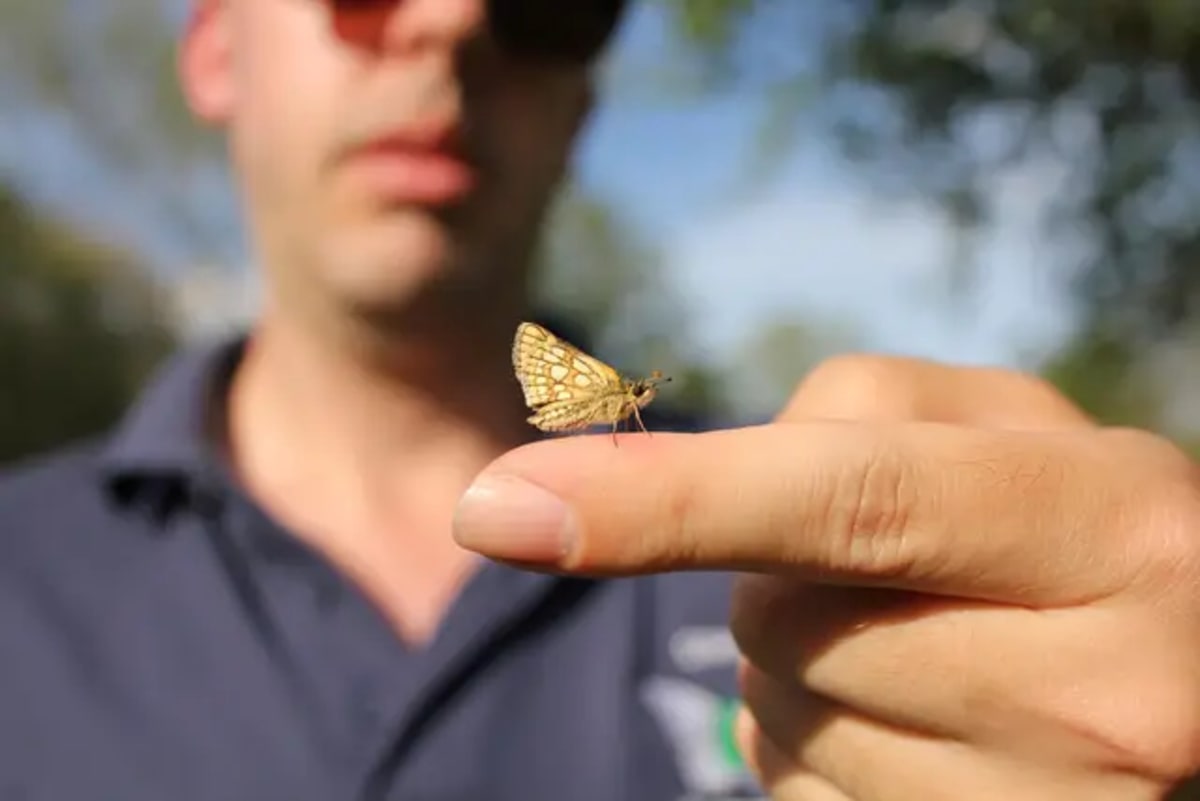
Thousands of UK gardeners are putting away their lawn mowers this May to help save struggling wildflowers and pollinators. The simple act of letting grass grow for one month creates vital habitats for bees, butterflies, and other wildlife fighting for survival.
Gardeners across the UK are joining a growing movement that turns lawn care on its head: don't mow for an entire month.
The "No Mow May" campaign, led by wildlife charity Plantlife, asks people to let their grass and wildflowers grow freely throughout May. Last year's campaign saw participation jump by 32% with first-time joiners, proving that the movement is catching on fast.
The science behind it is simple but powerful. Wilder lawns provide crucial food and shelter for bees, pollinators, butterflies, and small mammals during the warmer months when they need it most. With 97% of wildflower meadows lost in less than a century, even small patches of unmowed grass can make a real difference.
A recent survey of 2,001 adults found that two-thirds of UK gardeners believe their own gardens can genuinely help nature. That confidence is turning into action, especially among younger generations who are eager to join their neighbors in the effort.
Tunbridge Wells topped last year's participation list, followed by Brighton. These communities discovered that social pressure works both ways: the survey revealed that 60% of people aged 25 to 34 are more likely to skip mowing if their neighbors do too.
"Your garden is one of the easiest ways to help nature, providing a lifeline for wildlife," said Nicola Hutchinson, chief executive at Plantlife. She added that No Mow May helps communities come together and turn belief into real change.
The Ripple Effect
The impact extends far beyond individual gardens. With more than 25 million gardens across the UK, even small changes create massive habitat networks for struggling species. Plants like ragged Robin and field scabious, now near threatened in England, get a fighting chance to recover.
The campaign offers flexibility for every space and lifestyle. Gardeners can mow paths for walking while leaving other areas wild, creating diverse microhabitats. People without gardens can turn balconies, patios, or yards into mini havens for pollinators.
Plantlife recommends continuing less frequent mowing through summer and avoiding herbicides and fertilizers that harm wild plants. Removing grass cuttings after mowing prevents nutrient buildup that can damage biodiversity.
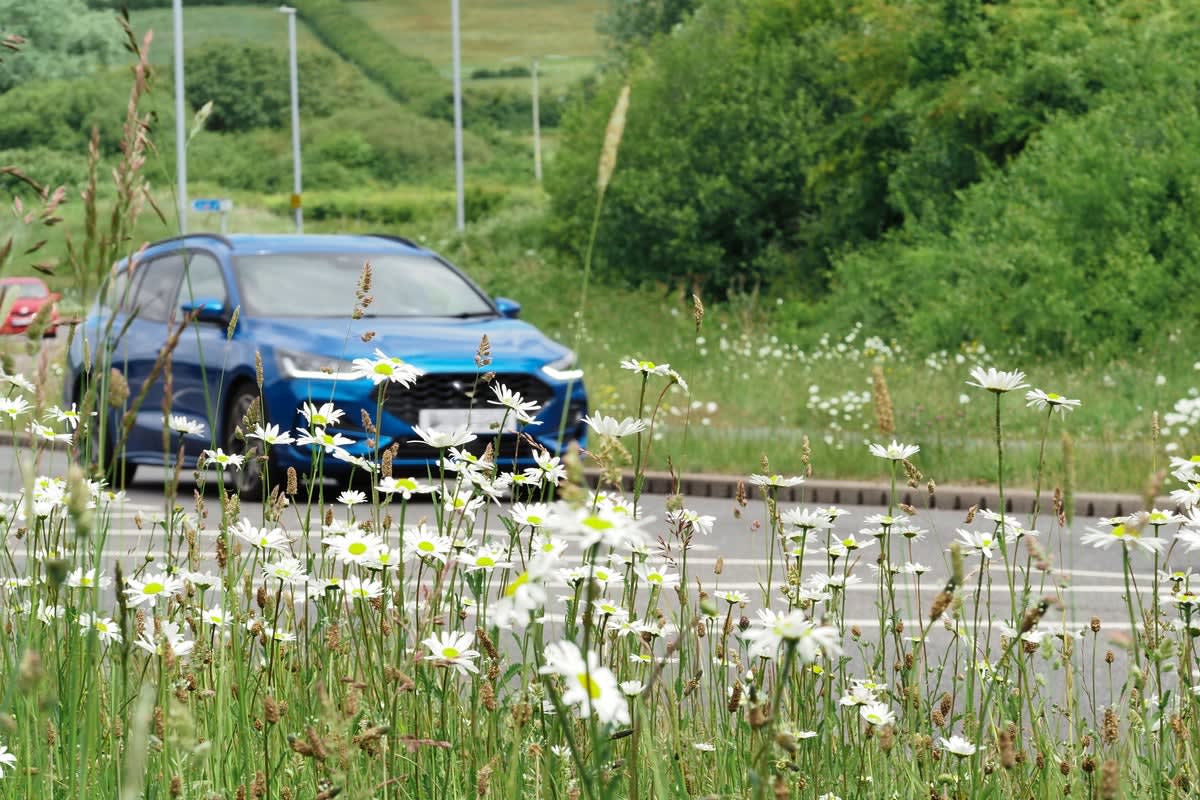
Local authorities and communities are getting involved too, managing green spaces in churches, schools, parks, and roadsides to encourage wildflower growth. The movement proves that helping nature doesn't require grand gestures, just the willingness to let things grow a little wilder.
Sometimes the most powerful action is choosing to do nothing at all.
More Images

Based on reporting by Independent UK - Good News
This story was written by BrightWire based on verified news reports.
Spread the positivity!
Share this good news with someone who needs it