UK Invests $87M to Treat Brain Disorders Without Surgery
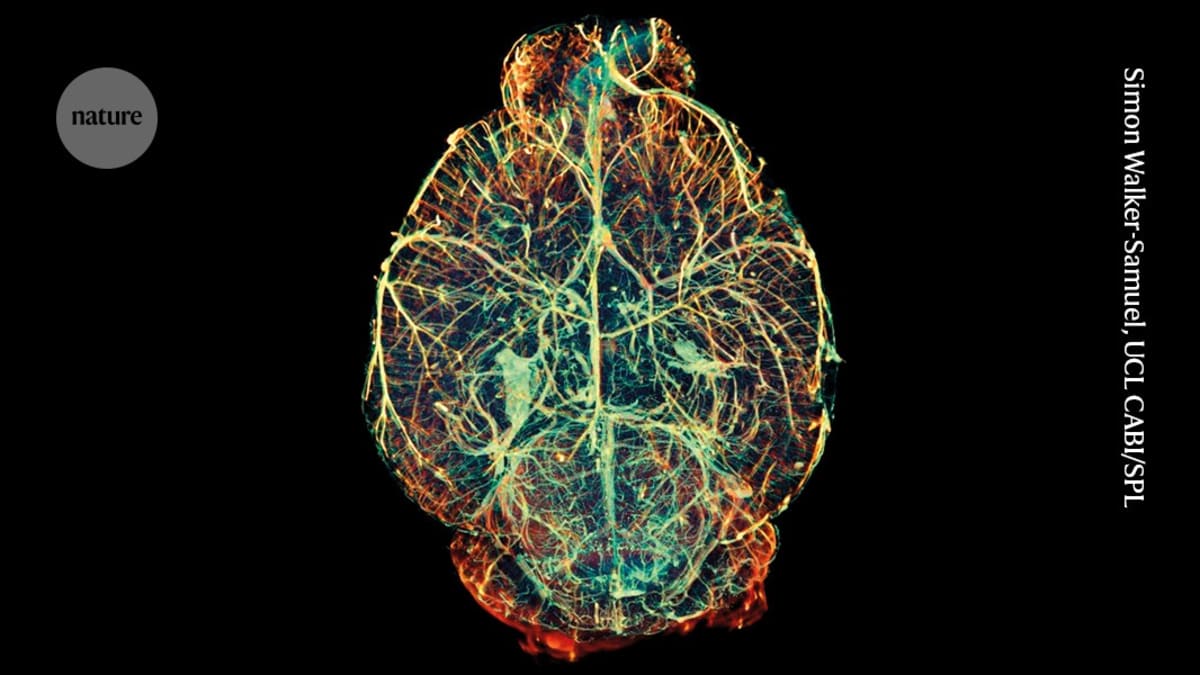
Britain's new research agency is funding 19 teams developing precision brain treatments using ultrasound and other non-invasive technologies. The goal is to help millions suffering from epilepsy, Alzheimer's, and Parkinson's without opening up the skull.
Imagine treating brain disorders like Alzheimer's and epilepsy without a single incision. That future just got $87 million closer to reality.
Britain's Advanced Research and Innovation Agency launched in 2023 with over $1.3 billion in government funding through 2030. Their boldest bet yet is a $87 million program to develop precision brain treatments that work at the circuit level, targeting the exact neurons causing problems.
The stakes are enormous. Neurological conditions cost the UK economy tens of billions of dollars each year. Traditional treatments often fail because they can't target specific brain circuits with enough precision.
ARIA is now funding 19 teams exploring breakthrough approaches. Some are using ultrasound to map and modulate brain activity in real time. Others are combining gene therapy with imaging to watch neurons fire and understand why networks malfunction.
One promising avenue builds on deep brain stimulation, already used for advanced Parkinson's disease. Electrodes implanted in a brain region called the basal ganglia can restore movement when drugs stop working. Scientists now believe similar approaches could treat depression, addiction, and epilepsy.
The Ripple Effect
The downstream benefits of moonshot research often surprise everyone. ARIA's CEO Kathleen Fisher points to a 2013 example when the US Defense Department's research arm awarded $25 million to develop rapid vaccine platforms.
That company was Moderna. The technology was mRNA, which arrived just in time to save countless lives during the Covid pandemic.
Fisher expects ARIA will show "seedlings of societal impact" by the early 2030s. The breakthrough might be circuit-level brain interventions without surgery, or something nobody has imagined yet.
One Imperial College London team is already combining ultrasound with gene therapy to image gene expression in living neurons. This could give doctors an unprecedented view of malfunctioning brain networks in individual patients, allowing truly personalized treatments.
Program director Jacques Carolan sees these disorders as problems of connectivity. Some circuits are overconnected, others underconnected, and current treatments lack the precision to fix specific problems without affecting the whole brain.
The vision is platform technologies that address multiple conditions at once, much like deep brain stimulation showed promise beyond Parkinson's. Will they cure Alzheimer's in seven years? Probably not, but they could prove it's possible.
More Images




Based on reporting by Wired Science
This story was written by BrightWire based on verified news reports.
Spread the positivity!
Share this good news with someone who needs it