UK Invests Record Billions in Green Power Grid Upgrade
Britain is transforming its 70-year-old electricity grid with record investment to handle triple the renewable energy by 2035. The overhaul will power millions of electric cars and homes while freeing the UK from volatile fossil fuel prices.
The UK's electricity grid, built in the 1950s for coal power, is getting the biggest upgrade in its history to handle a clean energy revolution that will transform how Britain powers itself.
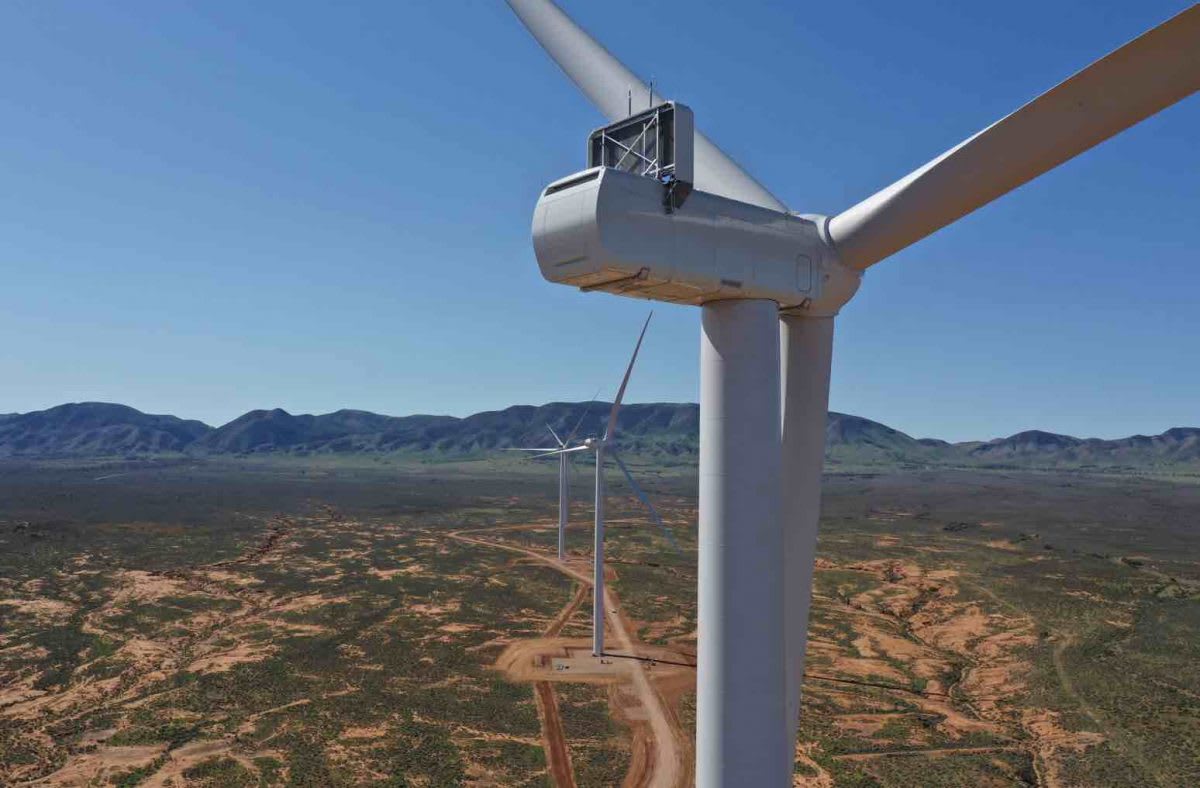
The country's energy regulator just approved record investment levels to completely reimagine a network originally designed to move coal power from the Midlands to homes across Britain. By 2035, renewable energy capacity will jump from 120 gigawatts to 300 gigawatts, with massive wind farms like Dogger Bank generating enough electricity from a single turbine turn to power a home for two days.
SP Energy Networks alone plans to invest almost £12 billion by 2031 to build the infrastructure needed for this transformation. The timing couldn't be better as Britain moves to free itself from the rollercoaster prices of imported fossil fuels that have squeezed household budgets.
The new grid isn't just about cleaner power. It's also preparing for Britons to use twice as much electricity by 2050 as millions switch to electric vehicles and heat pumps. Data centers supporting cloud services and artificial intelligence will more than double their energy use by 2030.
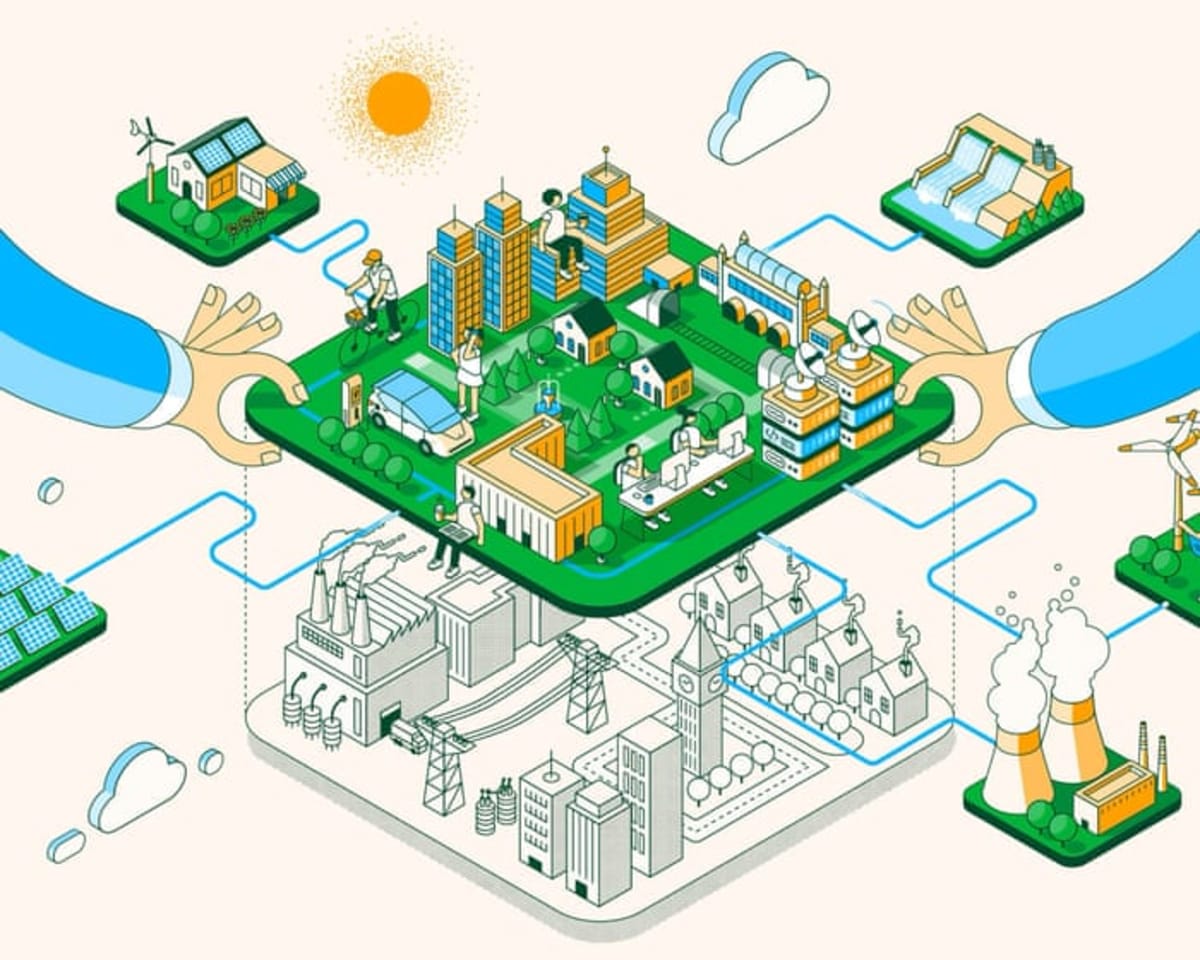
What makes this transformation truly exciting is how it's changing everyday people from passive consumers into active energy producers. Homeowners with solar panels can now sell power back to the grid, while smart technology lets families charge their electric cars and run appliances when electricity is cheapest.
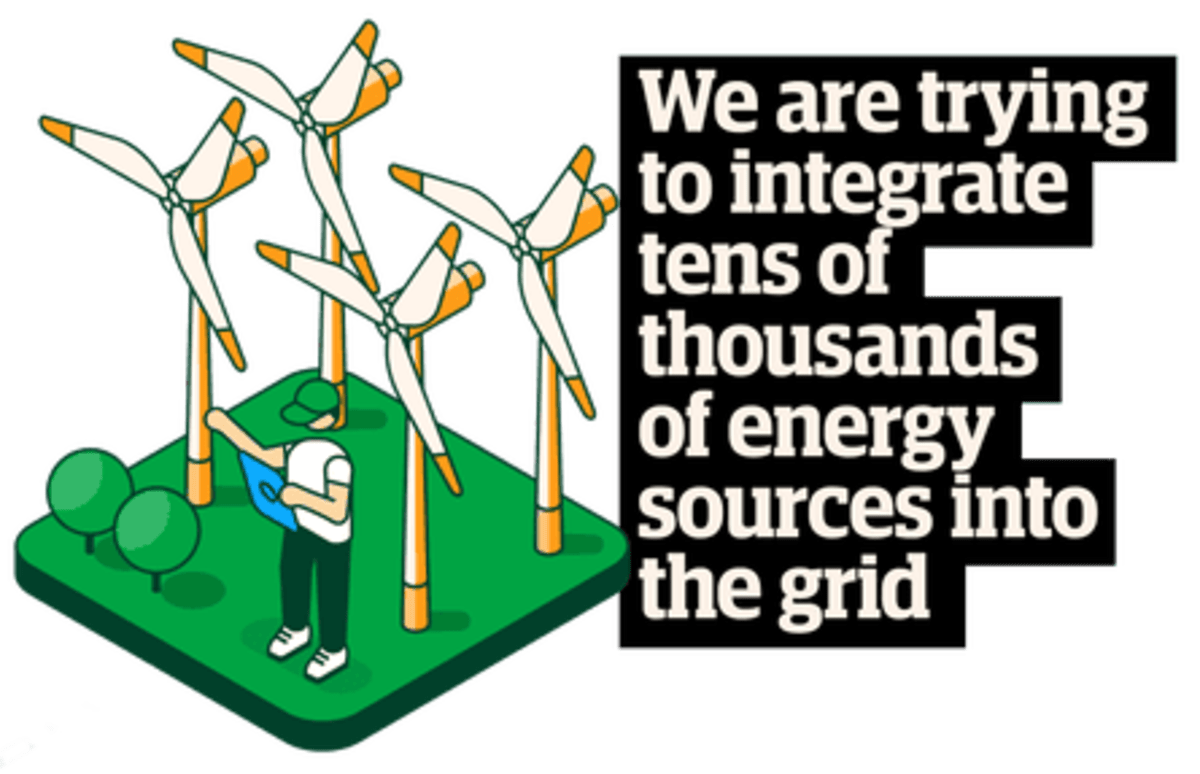
Engineers are deploying innovations that weren't even possible in the 1950s. Much of the new infrastructure will run offshore and under the sea. Artificial intelligence will manage thousands of energy sources in real time, spotting problems before human engineers could detect them.
SP Energy Networks has created a detailed "digital twin" of Britain's electricity network that uses AI to test solutions before building anything in the real world. Smart meters are giving the system unprecedented data about how households use and generate power.
The Ripple Effect
The transformation reaches far beyond keeping the lights on. Millions of families will save money by using appliances during off-peak hours and selling surplus solar power. Communities across Scotland and northern England will benefit from good-paying jobs building and maintaining wind farms and transmission lines.
The shift promises to stabilize energy costs for everyone by reducing dependence on imported fossil fuels whose prices swing wildly based on global events. Clean air benefits will improve public health in cities that have suffered from pollution for generations.
Robert Friel from the Institution of Engineering and Technology calls it "a complete transformation" that's building for the future rather than patching the past.
Britain is proving that even infrastructure built seven decades ago can be reimagined for a cleaner, smarter tomorrow.
More Images
Based on reporting by Google News - Clean Energy
This story was written by BrightWire based on verified news reports.
Spread the positivity!
Share this good news with someone who needs it