UK Joins 9 Nations in Massive North Sea Wind Farm Project
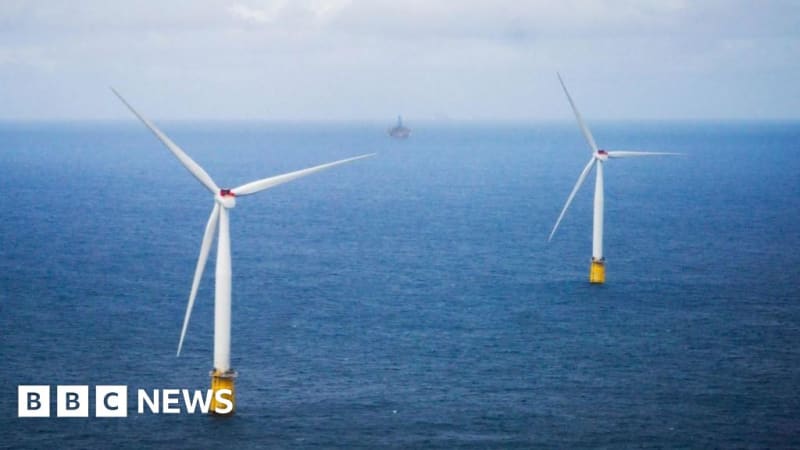
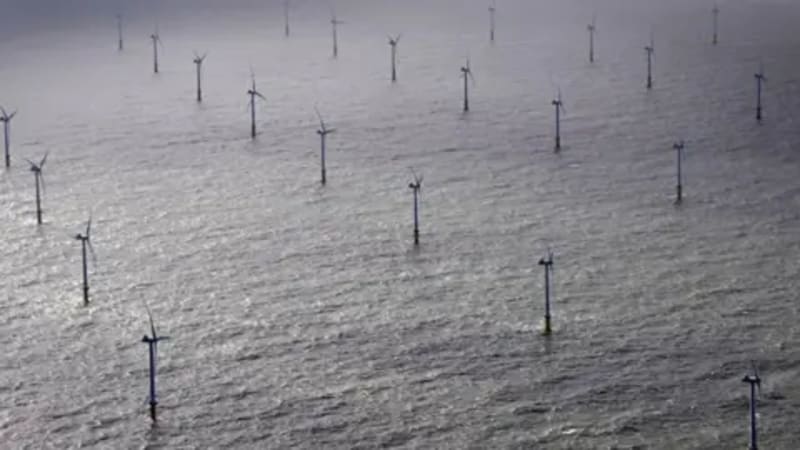
The UK and eight European countries just committed to building 100 gigawatts of clean energy offshore wind farms by 2050, strengthening energy security while driving down costs. For the first time, these wind farms will connect to multiple countries simultaneously through undersea cables.
Ten European nations are joining forces to build what could become the world's largest network of offshore wind farms in the North Sea, marking a massive leap forward for clean energy cooperation.
The UK signed onto the ambitious deal alongside Norway, Germany, the Netherlands, and five other countries at a summit in Hamburg, Germany. Together, they've committed to building 100 gigawatts of offshore wind capacity by 2050, with 20 gigawatts already planned to start construction by 2030.
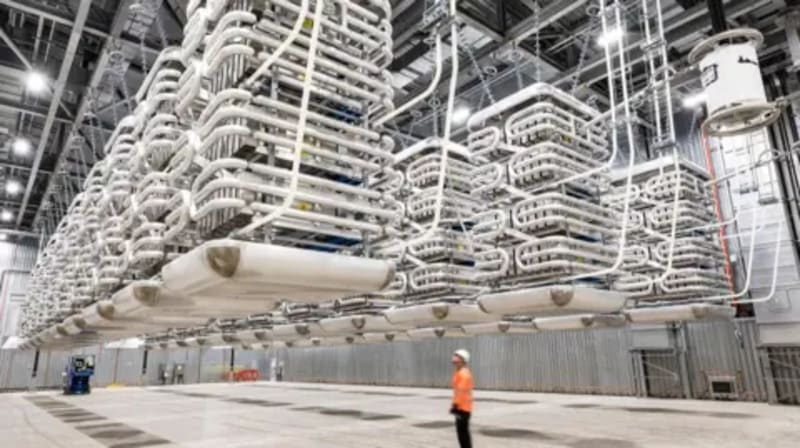
What makes this project revolutionary is how the power will be shared. New undersea cables called interconnectors will link individual wind farms to multiple countries at once, something that's never been done before.
The setup works like a neighborhood sharing economy for electricity. When winds are strong off the coast of Scotland, surplus power can flow to Germany. When Norwegian turbines are spinning extra fast, UK homes benefit from the excess energy.
Energy experts say this interconnected approach should lower electricity bills across the region. The UK already saves its consumers £1.6 billion from nine existing undersea cables linking Britain to Europe since 2023, and these new connections promise even bigger savings.
The deal also tackles a costly problem called constraint payments. Right now, the UK sometimes pays wind farms to shut down when the power grid gets too congested. With multiple countries connected, excess energy can simply flow elsewhere instead of going to waste.
Security is getting a major boost too. The more countries share clean energy, the less vulnerable each nation becomes to supply disruptions or price spikes from fossil fuels.
The Ripple Effect
This partnership shows what's possible when nations choose cooperation over going it alone. The North Sea region is already leading the global offshore wind race, with the UK ranking second worldwide at nearly 16 gigawatts of installed capacity.
The collaboration extends beyond just building turbines. NATO and the European Commission are participating to strengthen protection for offshore infrastructure against sabotage and unsafe maritime activity, ensuring these clean energy sources remain secure for decades to come.
China currently leads the world with 43 gigawatts of offshore wind capacity, but this European alliance is closing the gap fast. The UK government just awarded contracts for another 20 gigawatts, including a record 8.4 gigawatts earlier this month.
Jane Cooper, deputy CEO of RenewableUK, says the deal will "drive down costs for billpayers" while significantly increasing energy security across the entire North Sea region. The shared infrastructure means countries can support each other during peak demand times, smoothing out price spikes and supply concerns.
The 2050 completion timeline gives the project breathing room to develop new technology, train workers, and build the massive infrastructure needed to connect ten different national power grids seamlessly.
Ten nations working together to power their homes with clean ocean winds proves the future of energy is collaborative, not competitive.
More Images


Based on reporting by Google News - Wind Energy
This story was written by BrightWire based on verified news reports.
Spread the positivity!
Share this good news with someone who needs it