UK Launches Big Butterfly Count to Track Climate Impact
Thousands of UK residents are being invited to spend just 15 minutes helping scientists track how butterflies are responding to climate change. The nationwide Big Butterfly Count runs through August 9, turning everyday nature lovers into citizen scientists.
People across southern England are joining a nationwide effort to help butterflies bounce back from decades of decline.
Bournemouth, Christchurch and Poole Council is rallying residents to participate in the Big Butterfly Count, a citizen science project organized by Butterfly Conservation. The survey runs through August 9 and asks participants to spend just 15 minutes recording butterflies and day-flying moths in gardens, parks, or any green space.
The timing matters. Scientists want to understand whether this year's warm weather has helped or hurt butterfly populations after a colorful spring filled with sightings across the UK.
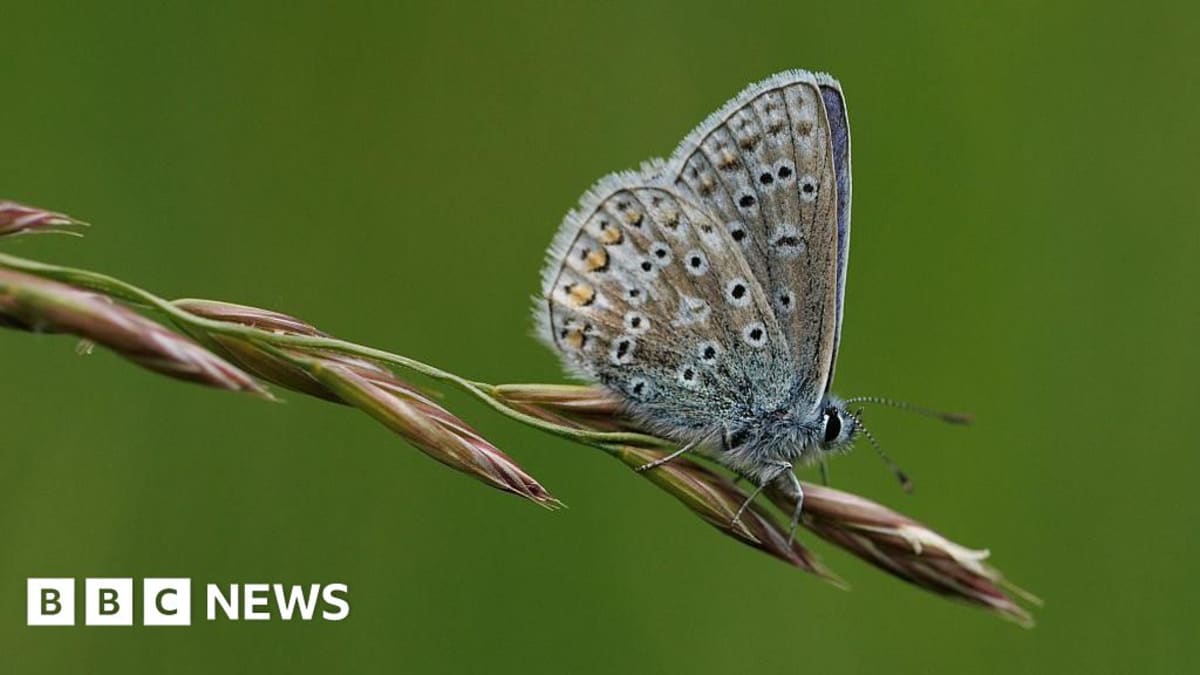
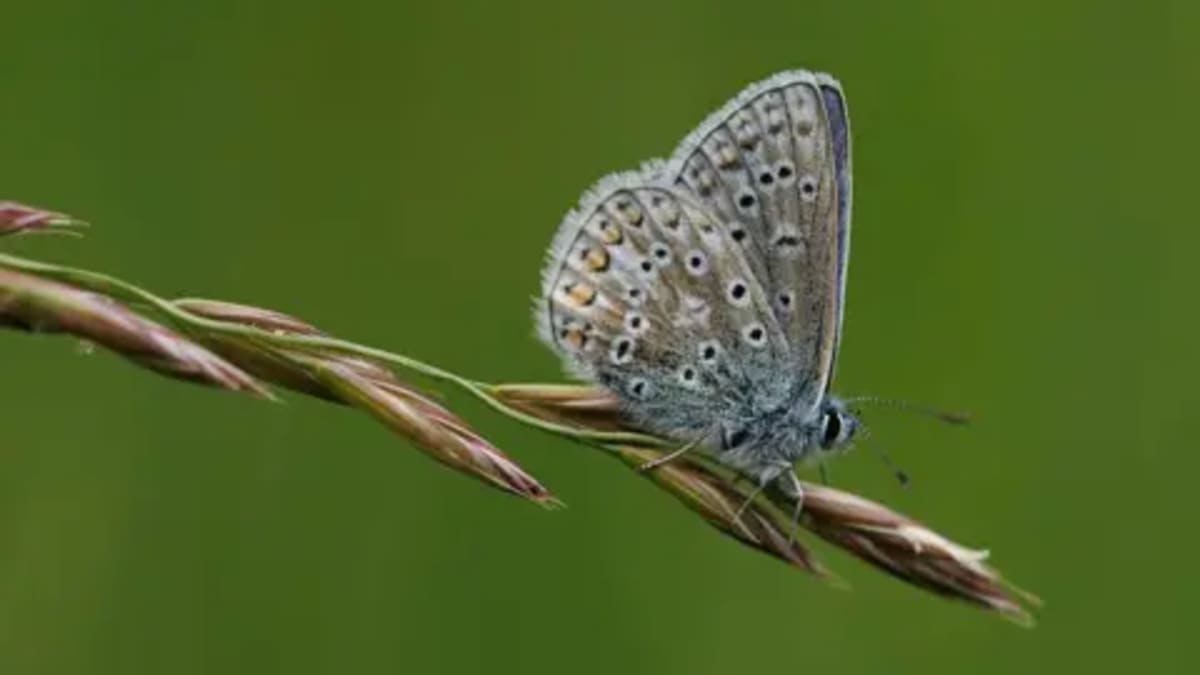
The BCP area hosts several important butterfly havens, including Canford Heath, home to rare Silver-studded Blue butterflies, and Bourne Valley, where Large Skippers flutter through meadows. Stour Valley Water Meadows has recorded an impressive 26 different species.
Kate Merry from Butterfly Conservation explained why spring sightings alone don't tell the full story. "A bright spring is only ever part of the story, which is why we need people out there taking part in the Big Butterfly Count this summer," she said.
The data matters because roughly 80% of UK butterfly species have declined over the past 50 years due to habitat loss, pollution, and climate change. Every 15-minute count helps researchers track which conservation efforts are working and which species need more help.
The Ripple Effect
This simple act of counting butterflies creates waves of positive change far beyond one afternoon in the garden. Each submitted sighting helps scientists build a clearer national picture of how species like the Peacock, Holly Blue, Red Admiral, Brimstone, and Small Copper are responding to environmental pressures.
The results guide conservation groups on where to focus habitat restoration efforts. They help local councils like BCP understand which green spaces matter most for wildlife. They even influence national policy decisions on climate response and land management.
Andy Hadley, BCP Council's lead for climate response, emphasized the local impact. "Every 15-minute count helps build a clearer picture of how butterflies are doing locally and nationally," he said.
Residents can submit their findings through the free Big Butterfly Count app or the organization's website. No special knowledge required, just curiosity and a quarter hour to spare in a local park or backyard.
Small actions by thousands of people are creating the data scientists need to protect these vital pollinators for generations to come.
More Images

Based on reporting by BBC Science
This story was written by BrightWire based on verified news reports.
Spread the positivity!
Share this good news with someone who needs it