UK Muslims Pass Moon Spotting Tradition to Next Generation
Families gathered on a hilltop in Yorkshire to teach children the centuries-old Islamic practice of sighting the crescent moon to mark Eid. The grassroots movement is growing as communities work to unite British Muslims under one calendar.
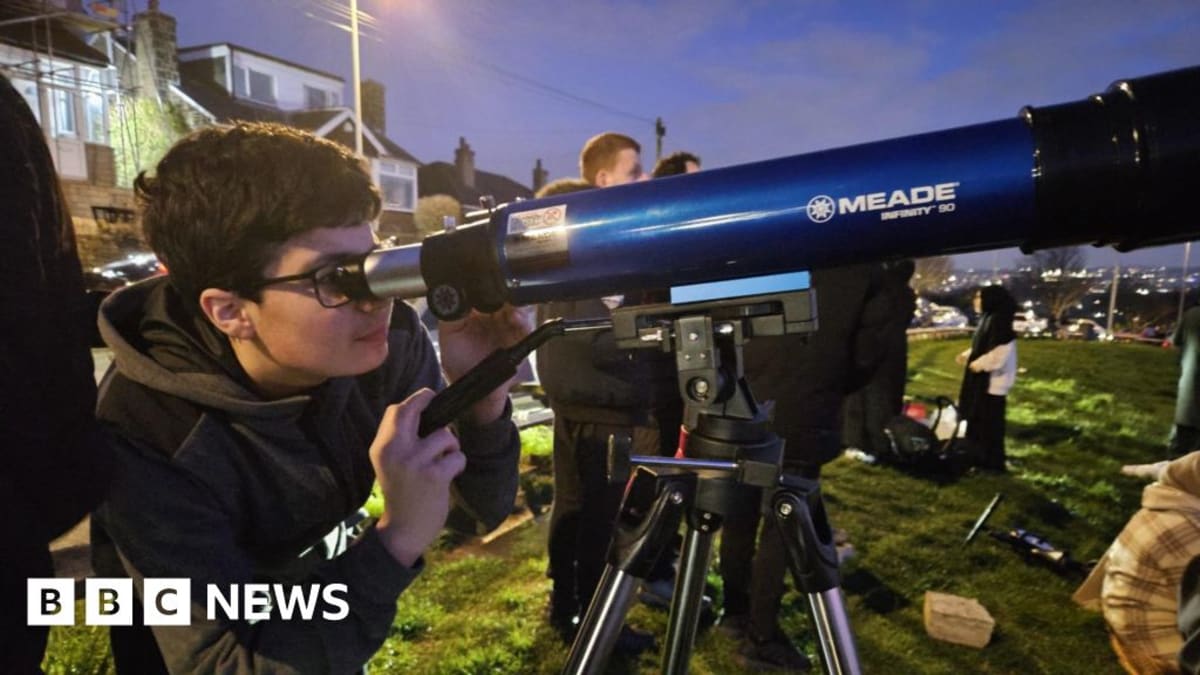
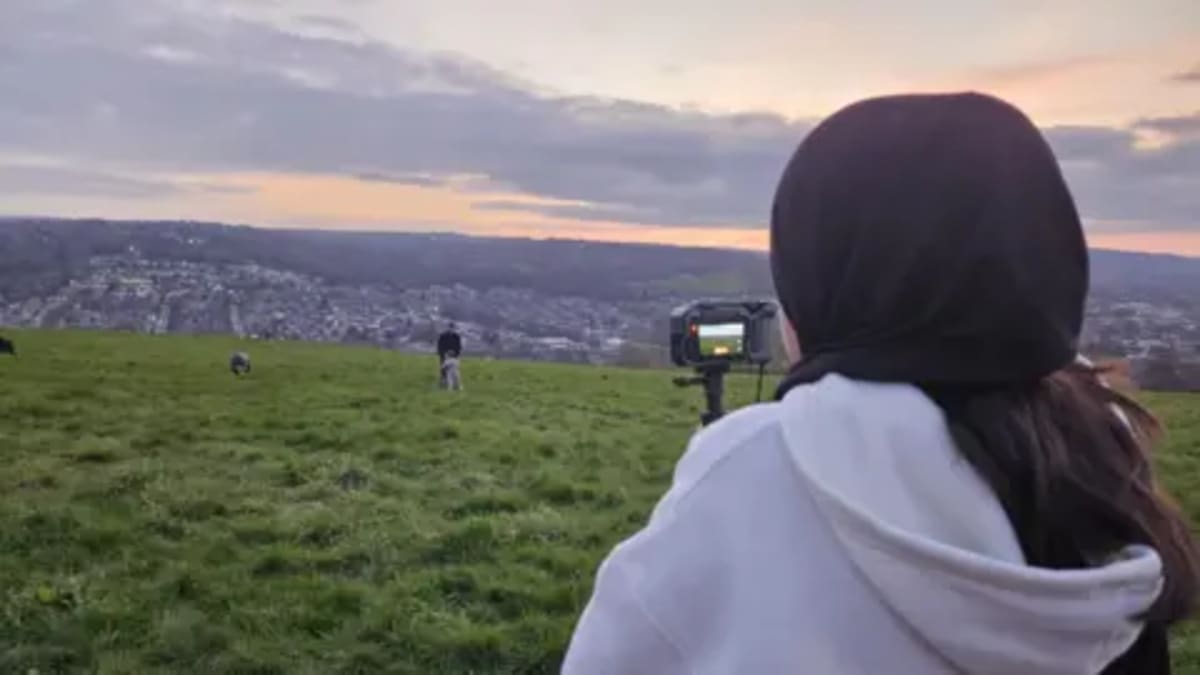
On a cloudy evening in Shipley, Yorkshire, dozens of families climbed to a spot known locally as "top of the world" with one shared mission: teach their children to spot the new moon.
Muslim families and astronomers gathered on Gaisby Lane to look for the sliver of crescent that signals the start of Eid al-Fitr, the joyous celebration marking the end of Ramadan. Among them was 12-year-old Eisa Faaris Khan, scanning the sky with his family for his first moon sighting.
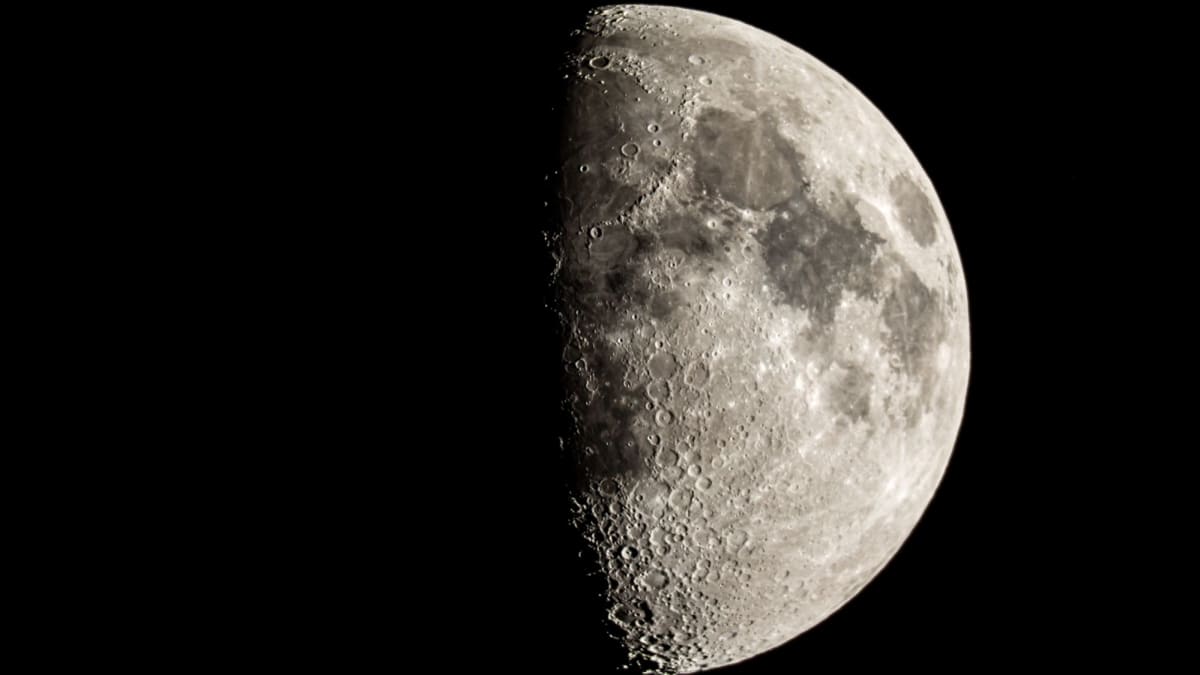
The practice follows Islamic tradition, where each lunar month begins when the new moon is spotted with the naked eye. For centuries, Muslims have gathered at sunset to search for that first glimpse.
Hamza Mutahir Khan has been organizing these monthly gatherings for six years through the New Crescent Society, a grassroots network founded in 2016. What started with just two or three people has grown into a community event drawing families from across the region.
"The mission is to put the whole of English Muslims regardless of background under one moon, as Muslims together," Khan said. His vision is simple: rather than following moon sightings from Saudi Arabia or Morocco, British Muslims can unite around their own local sighting.
Nazish brought her three nieces and nephews for their second year of moon spotting. She sees it as passing down more than just astronomy skills.
"I really want to pass on that knowledge to them so they can pass on that knowledge to their generation going forward," she said. The children are learning both the science and the spiritual significance of following the Prophet's footsteps.
The University of Leeds has partnered with the society, with physics engagement lead Erin McNeill joining the gatherings. She sees the educational and cultural value in bringing families together for this shared purpose.
"It's been so wonderful to see so many families and young people coming together to sight the new moon," McNeill said. "The beauty of a united British calendar is that you would be able to have this network across the country and celebrate Eid on one day."
The Ripple Effect
The growing network represents more than astronomical observation. It's building bridges between generations, teaching children their heritage while fostering unity across diverse Muslim communities. Five-year-old Zacky Khan stood with his dad Woody, learning a skill his own children might one day teach their kids.
Though clouds prevented a sighting that evening, the families left with something more valuable: a shared tradition taking root in British soil for generations to come.
More Images

Based on reporting by BBC Science
This story was written by BrightWire based on verified news reports.
Spread the positivity!
Share this good news with someone who needs it