UK Plans 1,000 Clean Energy Projects Funded by Communities
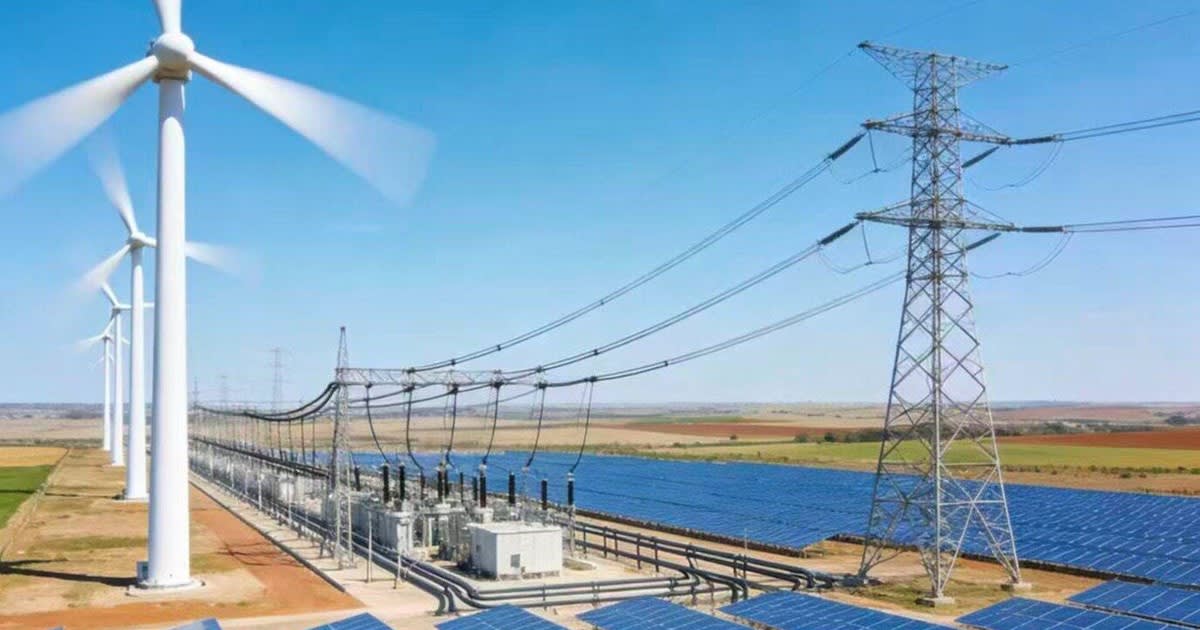
Britain is putting £1 billion behind a bold plan to build 1,000 community-owned renewable energy projects by 2030, letting everyday people invest in local clean power. It's a new model that combines government support with crowdfunding to democratize who gets to finance the green energy revolution.
Imagine owning a piece of the solar farm powering your neighborhood and earning returns while fighting climate change. That's the vision behind the UK's newly released Local Power Plan, which aims to build 1,000 community energy projects by 2030 with £1 billion in government funding paired with public crowdfunding.
The program marks a major shift in how clean energy gets financed. Instead of leaving renewable projects to big corporations and wealthy investors, the plan opens the door for regular people to invest in local wind turbines, solar installations, and other green infrastructure right in their own communities.
Lisa Ashford, co-CEO of ethical crowdfunding platform Ethex, calls it "a significant opportunity" for communities to directly invest in renewable energy. Her platform and others like Abundance and Triodos UK have already helped thousands of people put money into green projects, earning modest returns while supporting the energy transition.
Here's how it works: Unlike donation-based crowdfunding, investment crowdfunding offers actual financial returns through interest, dividends, or rising share values. Some projects use community bonds or special savings accounts, while others offer equity shares. The catch is that investments typically stay locked up for five years or more, giving projects time to mature.
The timing couldn't be better. The UK's climate tech sector is expected to grow 21% annually through 2030. And crowdfunding for ethical, environmentally responsible projects has grown steadily even as general equity crowdfunding cooled off after its 2021 pandemic peak.
British climate tech company Sunswap shows the hybrid model in action. The transportation firm raised £17.3 million in 2024 by combining crowdfund investors with venture capitalists to develop solar-powered refrigeration units for trucks that slash fuel costs and emissions.
The approach addresses a massive global need. A 2024 report by RMI estimates the world needs $2 trillion to finance the shift from fossil fuels to electricity across industry, transportation, and infrastructure.
The Ripple Effect
Beyond the carbon savings, the Local Power Plan does something revolutionary: it puts energy ownership back in local hands. When a town owns its solar farm, the profits stay in the community instead of flowing to distant shareholders. Parents can invest knowing they're building both a cleaner future and modest nest eggs for their kids.
The model also reduces risk for everyday investors compared to backing untested startups. Renewable energy projects come with reliable income streams, and civic infrastructure often carries municipal guarantees.
Great British Energy, the agency running the program, is working with crowdfunding platforms to bring communities, individual investors, and institutional capital together. The goal is letting public funding act as "catalytic capital" that reduces risk and helps projects launch, while community investment keeps ownership democratic.
One billion pounds and 1,000 projects represent more than infrastructure targets—they're a bet that when people have stake in the clean energy transition, everyone wins.
More Images


Based on reporting by Google: clean energy investment
This story was written by BrightWire based on verified news reports.
Spread the positivity!
Share this good news with someone who needs it