UK Scientists Develop 6-Day Stem Cell Cure for Rare Gut Disease
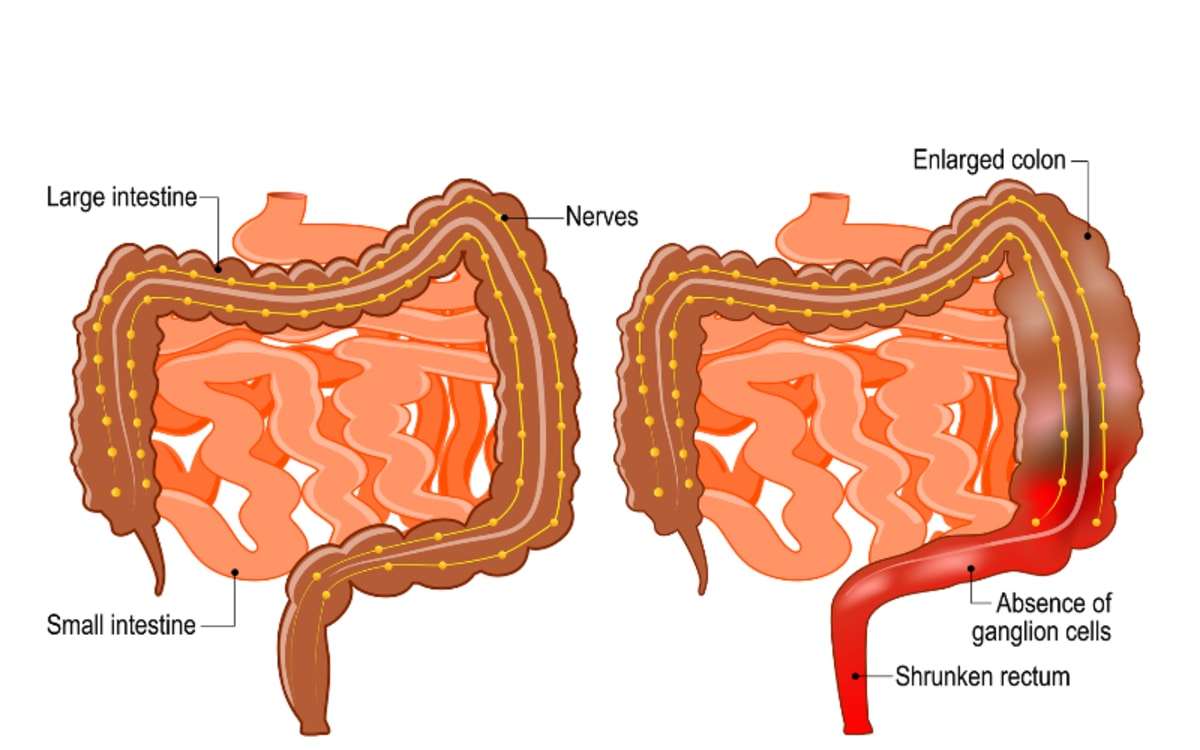
Babies born with Hirschsprung disease face a lifetime of surgeries because they're missing vital nerves in their digestive system. Now a UK research team has created a revolutionary stem cell therapy that could offer a permanent cure.
Children born with Hirschsprung disease are missing the network of nerves in their bowel that makes digestion possible, turning every meal into a life-threatening challenge. A groundbreaking collaboration between UCL, the University of Sheffield, and Queen's University Belfast is developing a stem cell therapy that could change everything for these families.
The disease affects the enteric nervous system, often called the body's "second brain." Without it, babies can't digest food normally and currently face invasive surgeries to remove the non-functional parts of their gut.
Even after surgery, many children continue struggling with infections and bowel problems throughout their lives. The £2.7 million project funded by UKRI offers something families have been dreaming of: a real cure.
The Sheffield-led team cracked a crucial challenge by developing a method to grow the missing nerves from human stem cells in just six days. That's nearly twice as fast as previous techniques, making the therapy far more practical for real-world use.
What makes this breakthrough even more exciting is that the cells are "off-the-shelf" ready. They can be frozen and safely transported to hospitals across the UK and beyond, meaning more children could access treatment without traveling to specialized centers.
The clinical team at UCL Great Ormond Street Institute of Child Health has already tested these lab-grown cells on human tissue samples with remarkable results. The cells successfully integrated into the tissue and restored the rhythmic contractions that healthy guts need to function.
Dr. Conor McCann from UCL says the funding represents "a step change" in bringing the treatment to patients. The team is working closely with families affected by Hirschsprung disease and the charity Guts UK to ensure the research addresses real needs.
Early economic modeling shows the one-time cell therapy could be highly cost-effective compared to the current burden of repeated surgeries and lifelong specialized care. Health economists from UCL and Queen's University Belfast are developing frameworks to integrate the therapy into the NHS.
Why This Inspires
This project shows what happens when world-leading experts join forces with one clear goal: helping children live normal lives. The researchers aren't just thinking about Hirschsprung disease either. They believe this technology could eventually treat other devastating gut disorders like achalasia and gastroparesis, potentially reversing damage doctors once thought was permanent.
The next phase focuses on safety testing before moving to first-in-human clinical trials, bringing hope to families who have been waiting for a real solution. For parents watching their children struggle with a condition that steals the simple joy of eating, this research represents something precious: the possibility of a future without constant hospital visits and surgeries.
More Images
Based on reporting by Google News - Disease Cure
This story was written by BrightWire based on verified news reports.
Spread the positivity!
Share this good news with someone who needs it