UK Scientists Restore 2 Hours of Sleep in Alzheimer's Study
Researchers at the University of Kentucky discovered how to restore two hours of sleep in Alzheimer's patients by targeting immune cells instead of neurons. The breakthrough could lead to early detection and better quality of life for millions.
Scientists just figured out how to give Alzheimer's patients two more hours of restorative sleep each night, and the discovery could change how we fight this devastating disease.
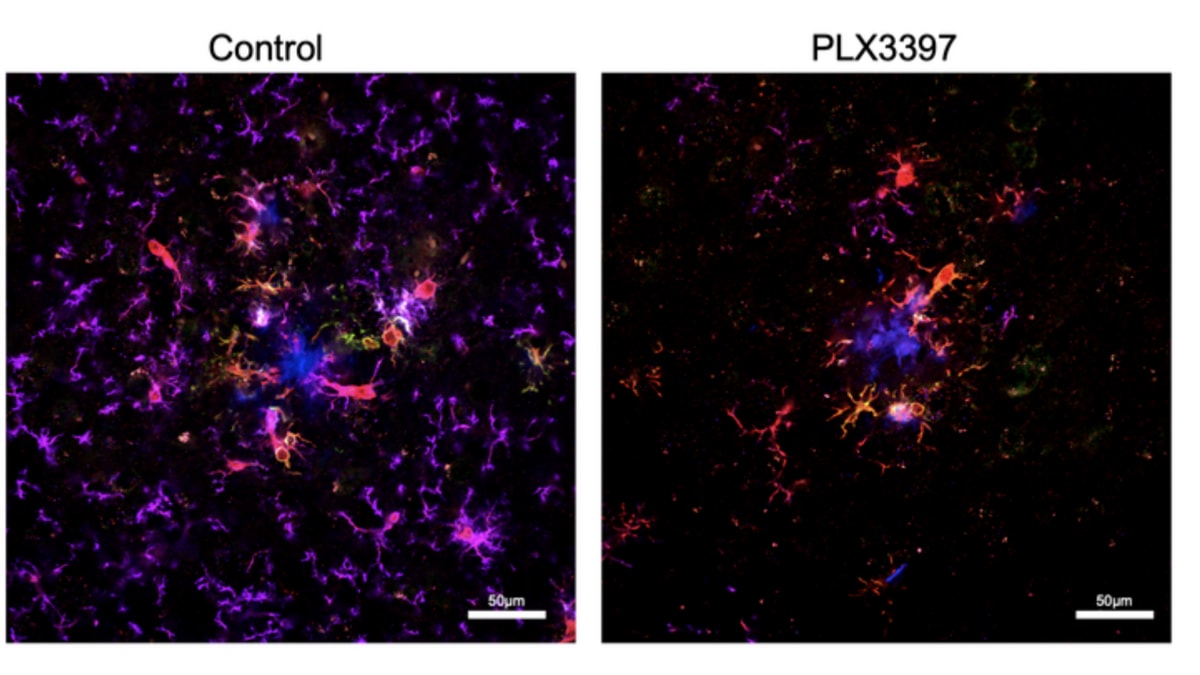
Researchers at the University of Kentucky made the breakthrough by looking in an unexpected place. Instead of focusing on damaged neurons like most Alzheimer's research, they studied microglia, the immune cells in the brain that act like tiny cleanup crews.
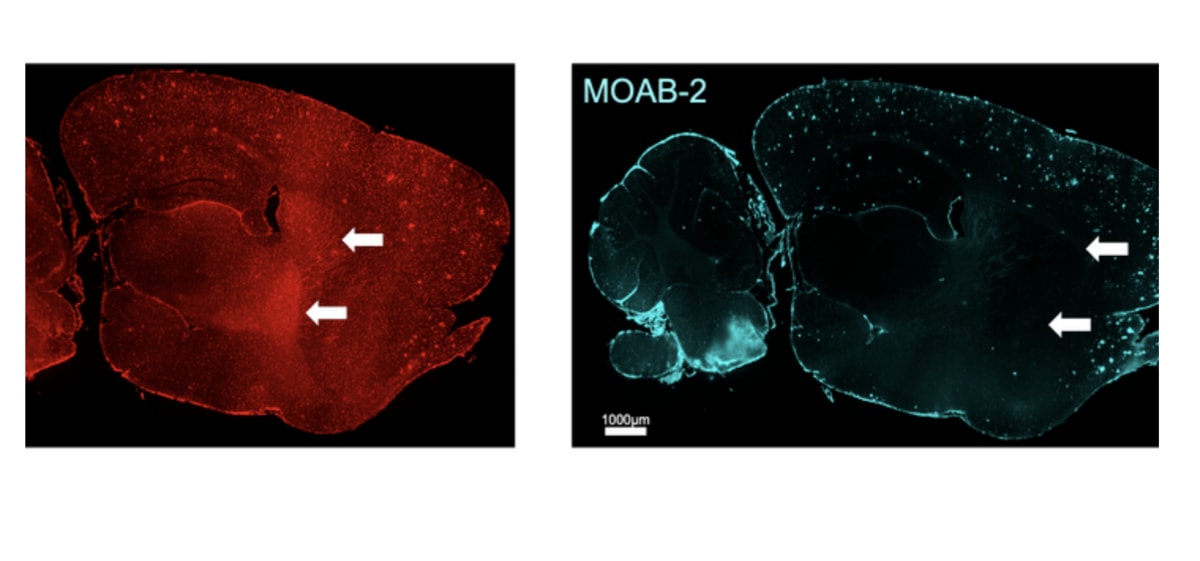
Dr. Shannon Macauley and Dr. Nicholas Constantino discovered that these immune cells are actually causing sleep loss in Alzheimer's patients. When plaques build up in the brain decades before symptoms appear, microglia rush in to help but end up overreacting and causing more harm.
Think of it like a small kitchen fire triggering your entire sprinkler system. The safety response floods your whole house when you only needed a fire extinguisher. That's what microglia do in the brain, and it destroys the quality sleep patients desperately need.
The team found a way to turn off this harmful response. When they removed the overactive immune cells in mice, subjects gained two hours of restorative sleep. That's huge because sleep loss creates a vicious cycle, limiting the body's ability to repair itself and form memories.
"If we can't put the neurons back in somebody suffering from Alzheimer's disease, maybe we can target another process and still give them a better quality of life," Macauley said.
The Bright Side
Unlike neurons, immune cells keep renewing themselves inside the brain. That means researchers might be able to reprogram them instead of just removing them, offering hope for reversible treatments rather than managing permanent damage.
The approach also avoids problems with current sleep medications. Many treatments targeting neurons cause drowsiness and dangerous falls in elderly patients. This new method works on automatic processes outside our control.
Sleep loss happens years before patients stop recognizing loved ones. Tracking it as an early biomarker could alert people to Alzheimer's a decade before cognitive symptoms appear, when intervention might actually prevent decline.
The research team is already testing two compounds that could reprogram microglia properly. Macauley hopes to begin preliminary human studies within the next year.
For the 6 million Americans living with Alzheimer's and their families, this discovery offers something precious: better sleep tonight and hope for tomorrow.
More Images

Based on reporting by Google News - Health
This story was written by BrightWire based on verified news reports.
Spread the positivity!
Share this good news with someone who needs it