UK Spring Arrives Earlier Than Any Year on Record
Birds are nesting, butterflies are emerging, and wildflowers are blooming weeks ahead of schedule as Britain experiences its earliest spring in recorded history. Nature is adapting to a warming world in real time, and scientists say wildlife is showing remarkable resilience.
Spring arrived in Britain this year with record-breaking enthusiasm, as bluebells bloomed, swallows returned, and butterflies took flight weeks earlier than ever documented.
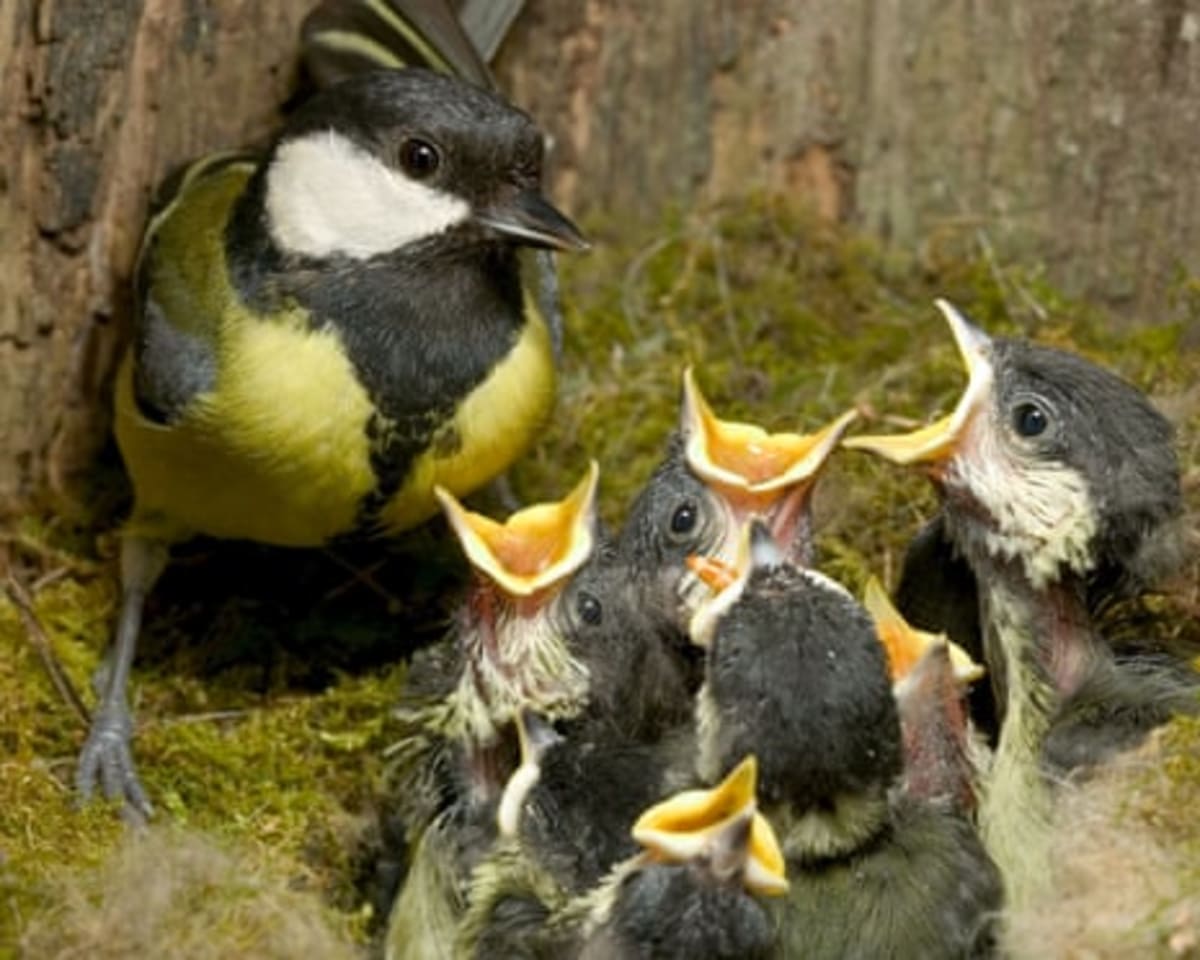
An 80-year study of great tits in Oxfordshire's Wytham Woods recorded its earliest egg-laying on March 23, beating the previous record by three days. Since the 1960s, these birds have shifted their nesting forward by 16 days, perfectly timing their chicks' hatching with the emergence of caterpillars they need for food.
Nature's Calendar, a citizen science project run by the Woodland Trust, has been tracking seasonal changes since 2000. This year is breaking nearly every spring record on the books.
Frogspawn appeared on average by February 23, nearly two weeks before the previous earliest date. Blackbirds started nesting by March 4, and hazel trees flowered on January 14, eight days earlier than ever recorded.
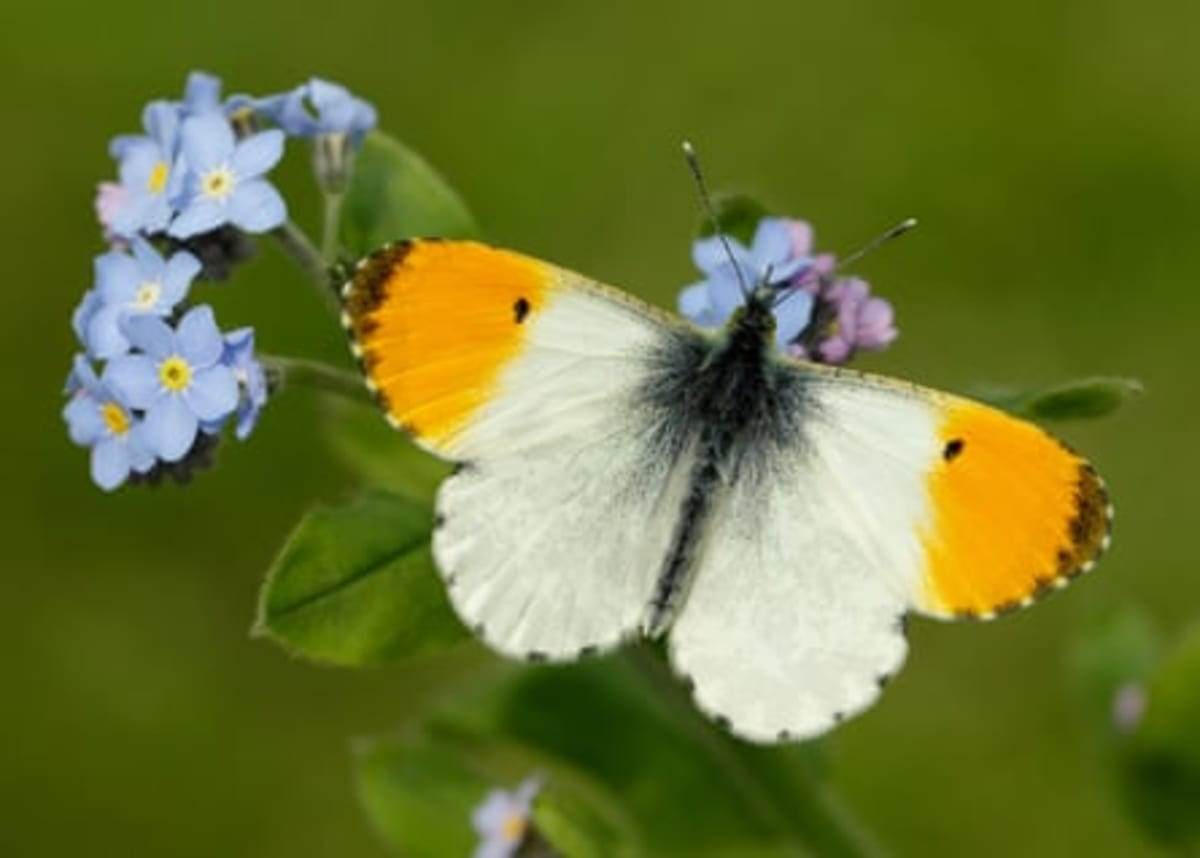
The first orange-tip butterfly, a classic sign that spring has truly arrived, was spotted on March 18. Naturalist Matthew Oates saw his first in the Cotswolds on March 31, a stark contrast to 50 years ago when these butterflies typically emerged around April 16.
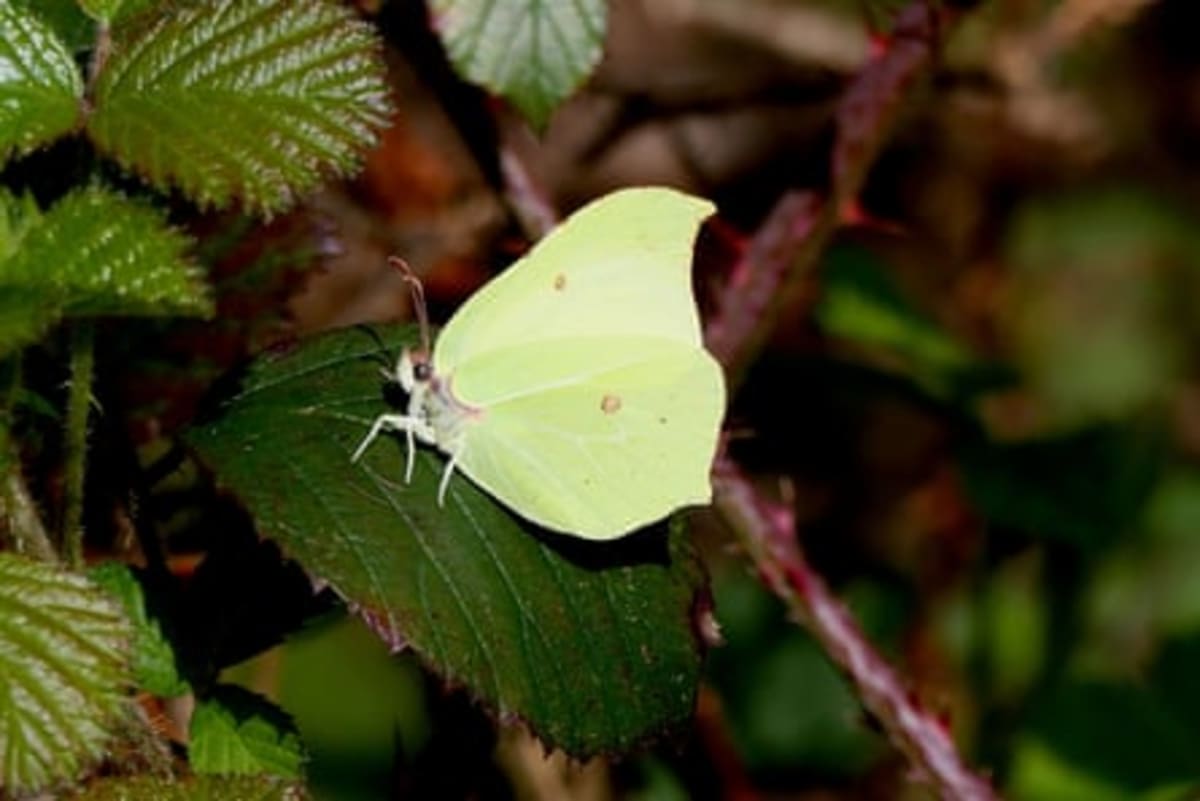
Oates discovered caterpillars of midsummer butterflies, including purple emperors and silver-washed fritillaries, already growing to sizes they normally reach much later in the season. He predicts midsummer butterflies could emerge in May for the first time since 1893.
The Bright Side
Scientists initially worried that wildlife couldn't adapt quickly enough to climate changes, risking a "phenological mismatch" where species fall out of sync with each other. The earlier-nesting birds prove nature has remarkable capacity to adjust.
Last summer's warmth combined with heavy winter rainfall created perfect conditions for this spring's spectacular wildflower displays. Violets, celandines, stitchwort, dandelions, and cowslips are blooming in profusion across the countryside.
Alex Marshall from Nature's Calendar notes the consistent trend: spring arrives earlier each year. Last year, only one of their tracked spring events happened later than average.
Some species face challenges from these shifts. The willow warbler has almost vanished from Britain, a proven result of climate change, while chiffchaffs are thriving and many now overwinter rather than migrate south.
Devon's Dunsford Woods logged its earliest tit egg since records began in 1955. Similar record-breaking early nesting appeared in the Netherlands, showing these changes span across northern Europe.
Despite concerns that early warm spells could leave wildlife vulnerable to late cold snaps, spring species have weathered March's typical temperature swings well. The Met Office confirms that transitional cold spells in March remain normal, and nature has evolved to handle them.
Naturalist Matthew Oates captures the mood among scientists and nature lovers: "These are very exciting times to be a naturalist, and the nation needs it."
More Images

Based on reporting by Guardian Environment
This story was written by BrightWire based on verified news reports.
Spread the positivity!
Share this good news with someone who needs it