UK Super-Rich Pledge £150M Each to National Gallery
Two British billionaires donated £150 million each to London's National Gallery in the same day, marking the largest museum gifts ever recorded worldwide. A new wave of self-made philanthropists is fueling a golden age of charitable giving, with top donors now averaging £126 million annually.
Britain's wealthiest citizens are writing checks their grandparents never imagined, and the country's cultural treasures are reaping the rewards.
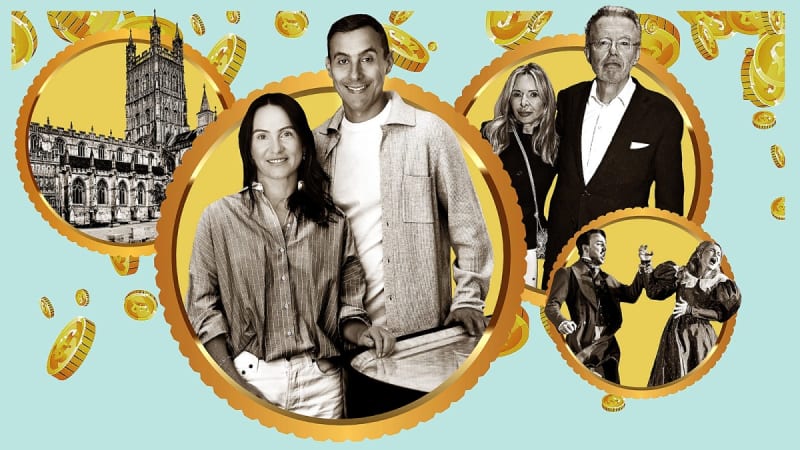
Last September, the National Gallery received two separate £150 million donations on the same day. Welsh billionaire Sir Michael Moritz and the Rausing family foundation each pledged sums believed to be the largest ever given to any museum or gallery worldwide.
The timing couldn't be better. Public funding for the arts has been shrinking, leaving institutions scrambling for support. The National Gallery will use these donations to build a new wing and expand its collection of modern works.
This generosity represents something bigger than two extraordinary gifts. Britain has entered what experts are calling a golden age of philanthropy, driven by entrepreneurs who built their own fortunes rather than inheriting them.
The numbers tell the story. In 2025, the top 20 donors in The Sunday Times Giving List each gave an average of £126 million. That's up from £74 million in 2020 and just £53 million in 2015.
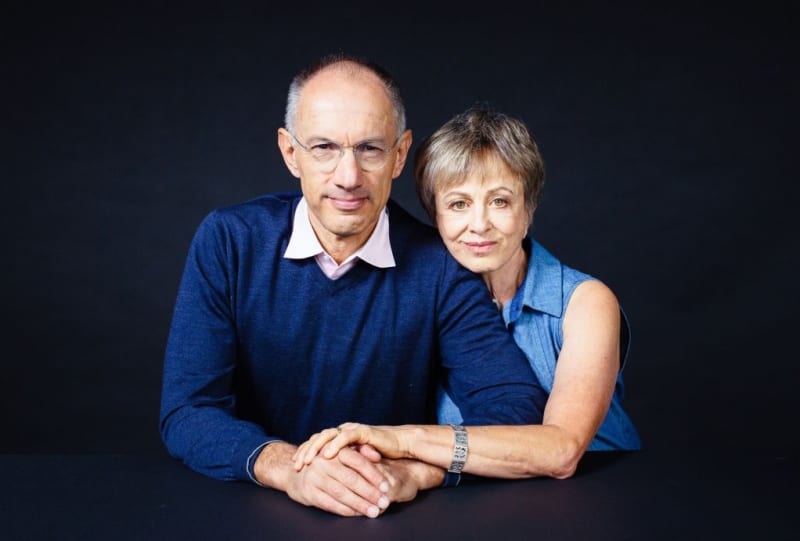
Moritz made his fortune spotting tech winners early. The former journalist joined Sequoia Capital and invested in Google, PayPal, YouTube, and LinkedIn before they became household names. Now worth £4.43 billion, he and his wife Harriet Heyman are giving most of it away through their Crankstart Foundation.
The Rausing donation honors Julia Rausing, who died in 2024 after battling cancer. She married into the family behind Tetra Pak packaging and spent her final decade giving away more than £330 million to over a thousand causes.
Younger philanthropists are joining in too. Igor and Anastasia Bukhman, both 43, pledged £100 million last year to fund type 1 diabetes research after their daughter was diagnosed at age three. They're also supporting young artists through programs at the Tate.
The Ripple Effect
This surge in giving reflects a fundamental shift in British wealth. In 2000, the UK had 25 billionaires, mostly from old money who viewed wealth as something to preserve for heirs. By 2022, that number had jumped to 177, with most fortunes coming from self-made entrepreneurs.
These new philanthropists didn't inherit their money, so they feel freer to give it away. They're funding medical research, supporting struggling students, protecting the environment, and keeping cultural institutions thriving when government support falls short.
Last week alone, the National Trust received £10 million from private equity boss Humphrey Battcock, the largest cash donation in its 131-year history.
The old benchmark for major giving was £1 million. Today's super-donors consider £100 million the new starting point, and at least ten British philanthropists have crossed that threshold in recent years.
Britain's museums, universities, and charities are experiencing a renaissance funded not by aristocratic legacies but by people who built something from nothing and now want to build something lasting for everyone.
More Images


Based on reporting by Google: charity donation
This story was written by BrightWire based on verified news reports.
Spread the positivity!
Share this good news with someone who needs it