UK Tests Voluntary Social Media Curfew for Teens
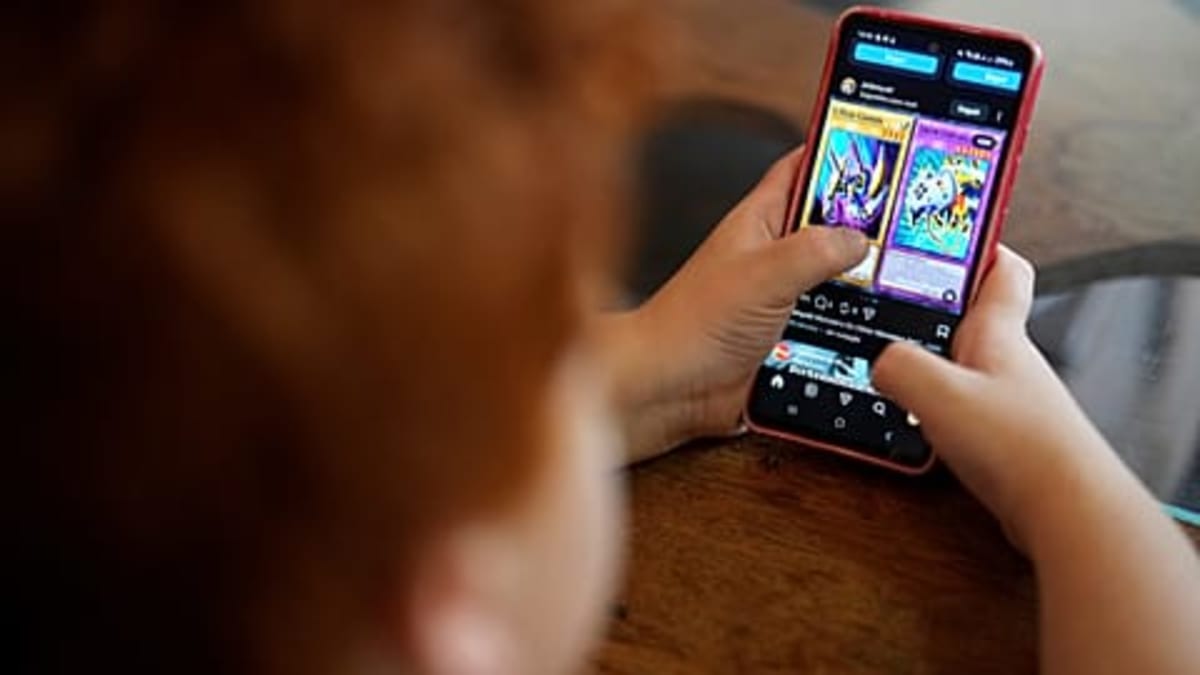
Britain's new program lets 16 and 17-year-olds choose overnight social media breaks, with early tests showing teens actually keep the settings on. A pilot with 300 families saw better sleep and focus when teens had the option to pause their feeds.
Teenagers might actually want help stepping away from their phones at night, and the UK just proved it works.
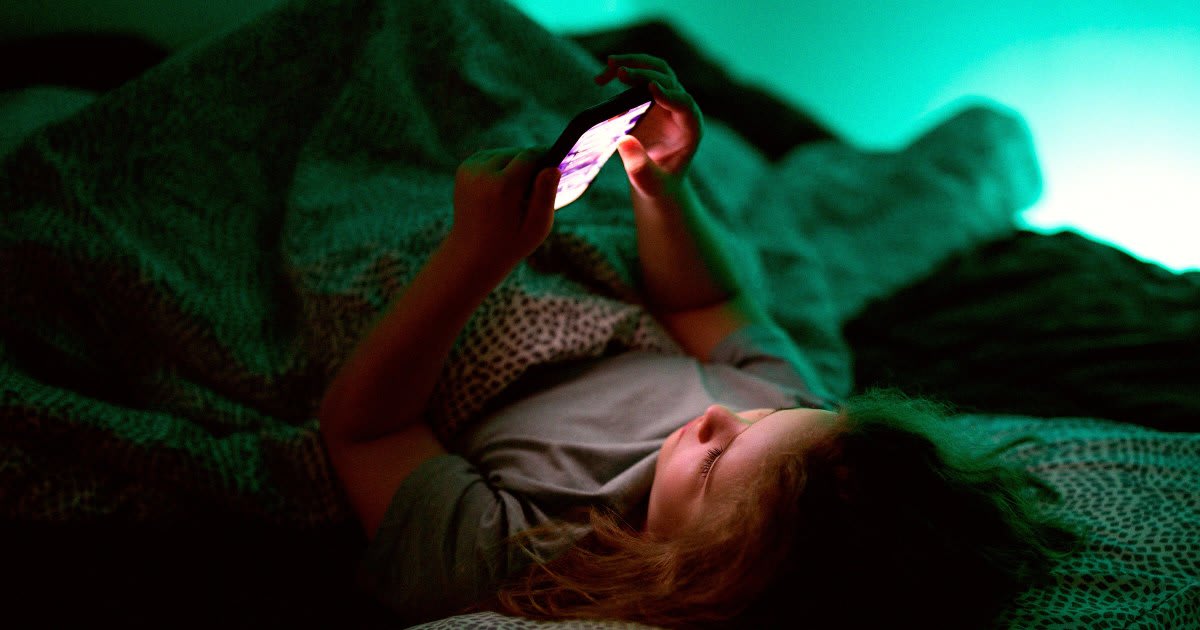
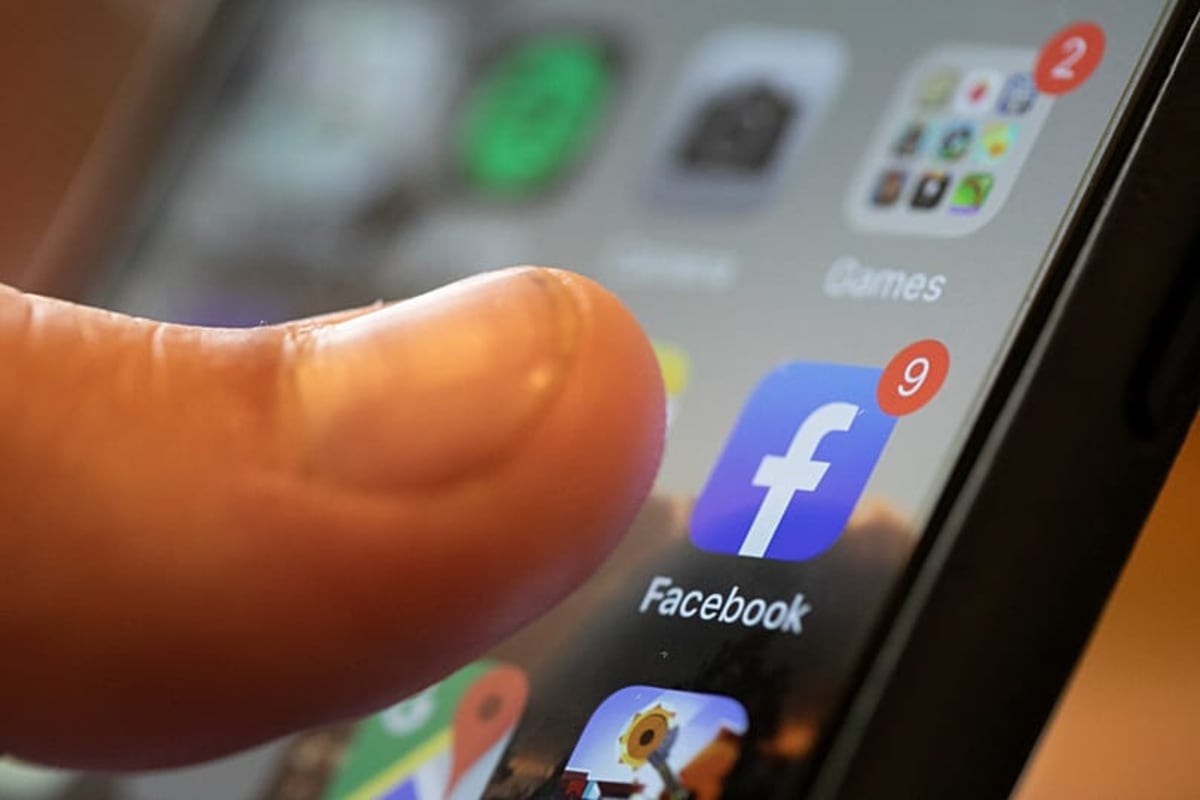
The British government announced plans Wednesday for a voluntary overnight social media curfew designed specifically for 16 and 17-year-olds. The program would automatically pause apps like TikTok, Instagram, Snapchat, YouTube, Facebook, and X during nighttime hours, but teens could turn it off if needed.
Here's the surprising part: when over 300 teenagers tested similar features last October, more than 90% kept the default settings turned on. They didn't override them or find workarounds.
The results showed dramatic drops in overnight social media use, with parents and teens reporting better sleep and improved concentration during the day. Online Safety Minister Kanishka Narayan pointed to this data when critics suggested teens would simply disable the features.
The program also turns off addictive design features by default for older teenagers. Videos that automatically play one after another, keeping users scrolling endlessly, would be switched off unless teens actively choose to turn them back on.
Messaging apps like WhatsApp and Signal wouldn't be affected, so teens could still communicate with friends and family. The focus is on infinite-scroll social feeds, not conversation.
Why This Inspires
Rachel de Souza, England's Children's Commissioner, noted that young people consistently say they want to reduce their social media time but struggle to do it alone. Giving them tools that work with their goals, not against them, respects their autonomy while acknowledging real challenges.
The pilot program's success suggests teenagers aren't hopelessly addicted to their phones. When given reasonable options that make sense, most choose healthier habits on their own.
The proposals still need legislation to become official policy, but they're expected to move forward under Prime Minister Keir Starmer's likely successor, Andy Burnham. This builds on earlier UK efforts, including social media restrictions for children under 16.
The NSPCC cautioned that voluntary measures alone won't solve all problems with addictive app design. Chief executive Chris Sherwood called the curfew a positive step but emphasized stronger regulations may still be needed to address features that deliberately keep users hooked.
Still, starting with what actually works for teens themselves feels like progress worth celebrating.
More Images

Based on reporting by Euronews
This story was written by BrightWire based on verified news reports.
Spread the positivity!
Share this good news with someone who needs it