UK Trial Helps Stroke Survivors Regain Arm Movement at Home
A groundbreaking NHS trial is testing an earpiece device that helps stroke survivors recover arm function from home. Amanda James-Hammett, who lost movement at 37, can now sew, dress herself, and carry tea again after 12 weeks of treatment.
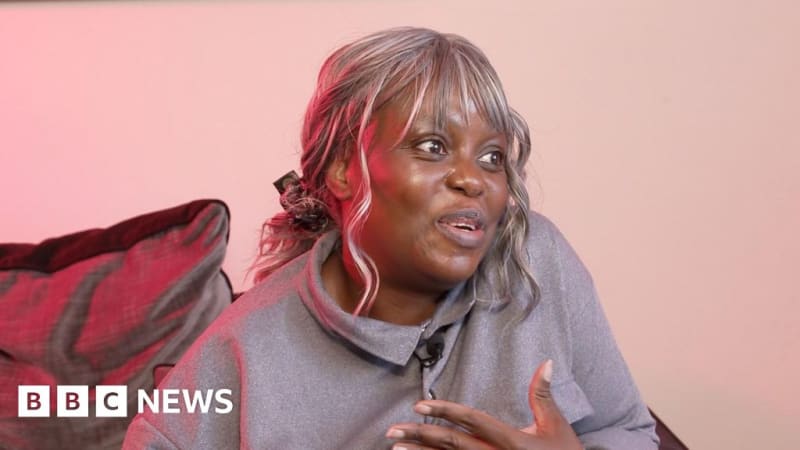
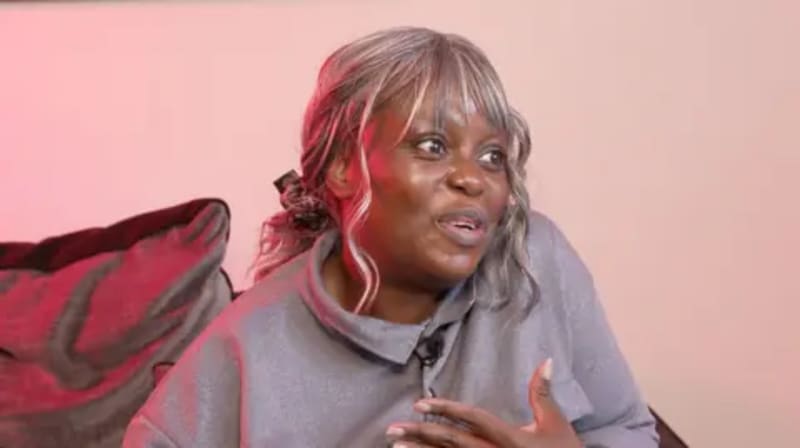
Amanda James-Hammett was doing dishes at home when she heard a pop in her head like a bursting bubble. Within hours, the 37-year-old had lost her ability to speak and move her right arm.
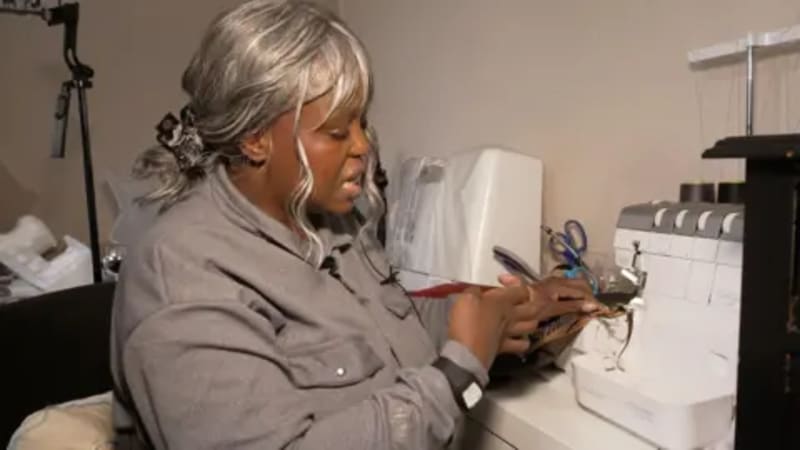
Six years later, Amanda is back in her sewing room, threading needles and cutting fabric with confidence. The transformation came through a new at-home device being tested across 19 NHS sites in the UK.
The technology looks simple: a small earpiece resembling a wired headphone paired with a wristband connected to a smartphone. But the science behind it is powerful. The earpiece stimulates the vagus nerve, a major pathway connecting the brain and body, while patients practice rehabilitation exercises.
"It's about freedom," Amanda says. "It's given me my freedom back."
The Triceps trial, led by Sheffield Teaching Hospitals NHS Foundation Trust, is the largest brain stimulation study for stroke recovery ever conducted. Researchers aim to recruit 270 participants across the UK with £2 million in funding.
Dr. Sheharyar Baig, a neurologist at Sheffield's Royal Hallamshire Hospital, explains that stroke affects around 100,000 people yearly in the UK. More than a million people live with its long-term effects, and half of all survivors experience ongoing arm weakness.
That weakness can make everyday tasks like dressing, cooking, and working incredibly difficult. The recovery process is painfully slow, often requiring hours of rehabilitation with limited results.
Unlike earlier vagus nerve treatments that required surgery, this device is completely non-invasive. Patients use it at home for up to an hour daily while doing exercises and everyday tasks.
Amanda admits she was skeptical at first. But after just a couple of weeks, she started noticing changes in her hand.
The Ripple Effect
More than 200 people have participated in the trial so far, and early improvements are encouraging researchers. One person who couldn't carry a cup of tea can now walk room to room holding it steadily. Another set their post-stroke personal best in a 5K run with noticeably better arm function.
The Stroke Association is closely monitoring results, including brain imaging and blood tests. "We want to understand what patients respond best and how," says Maeva May, the charity's associate director of systems engagement.
If proven effective, the technology could transform stroke recovery because it's affordable, convenient, and easily integrated into existing rehabilitation services. Patients can recover in the comfort of their own homes instead of spending extended time in clinical settings.
For Amanda, the biggest victories are the smallest moments. She can put on her socks without help, tie her shoes, and tackle household tasks independently. She doesn't have to wait for anyone else.
"Those small things make a big difference," she says, smiling as she works her sewing machine like she did before that day at the kitchen sink.
More Images


Based on reporting by BBC Technology
This story was written by BrightWire based on verified news reports.
Spread the positivity!
Share this good news with someone who needs it