UK Urges Households to Use More Clean Power This Summer
Britain's renewable energy boom is so successful that households will soon be paid to use electricity when wind and solar power exceeds demand. The plan could lower bills while helping the grid balance record clean energy supplies.
Britain has so much clean energy coming online that officials are asking people to use more power, not less.
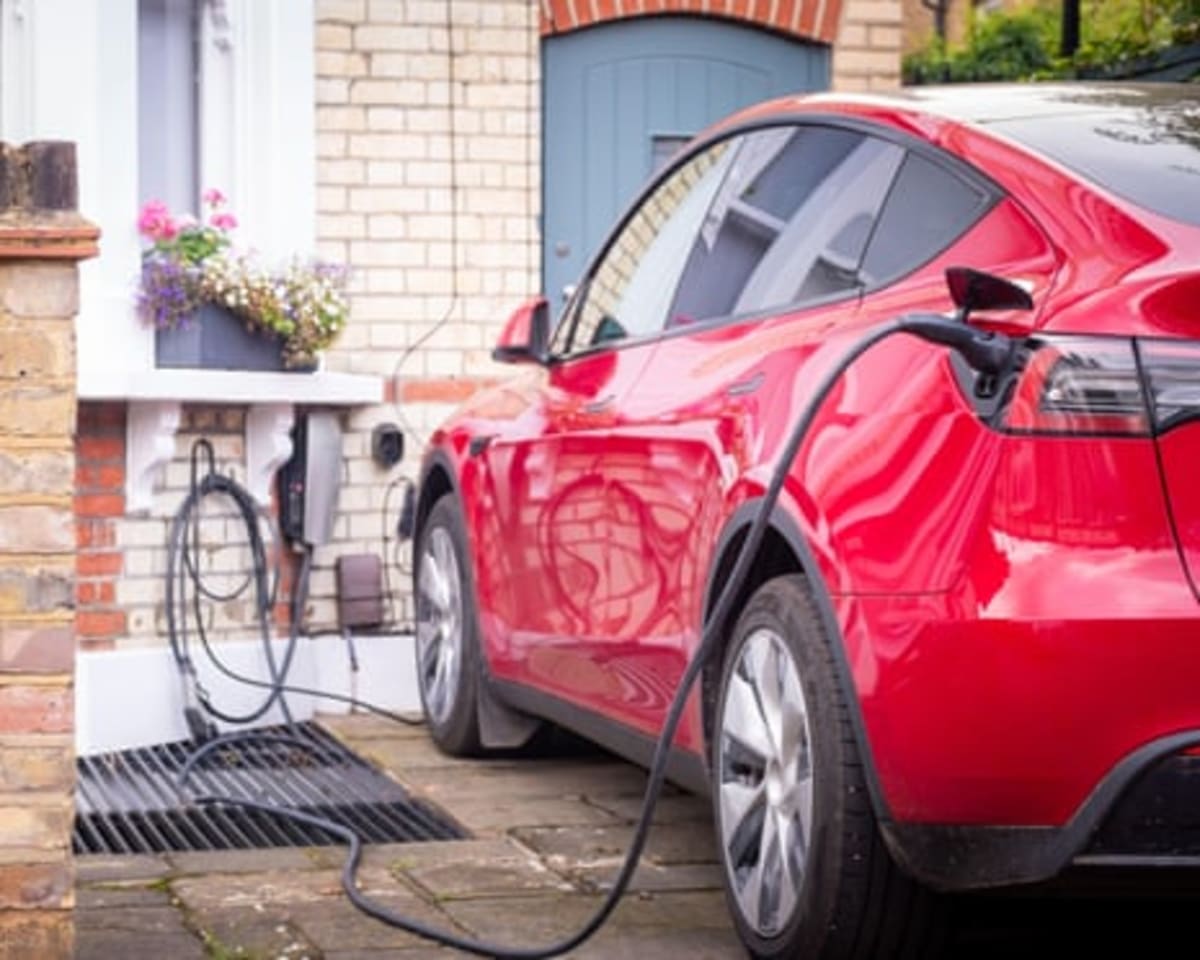
The National Energy System Operator plans to encourage households to run dishwashers, charge electric cars, and do laundry during times when wind and solar farms produce more electricity than the grid needs. Energy suppliers will offer heavily discounted or even free electricity during these surplus periods.
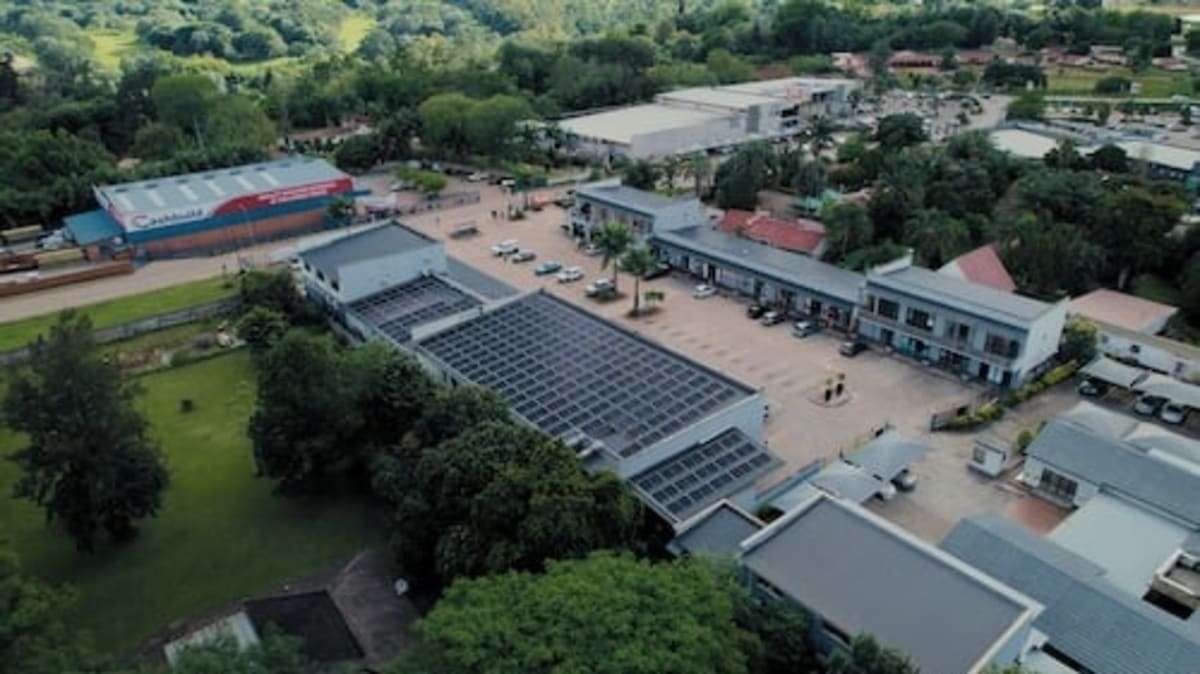
The initiative tackles an unusual but welcome challenge. Great Britain is approaching what could be its first summer running entirely on zero-carbon electricity. Solar panels just broke records on two consecutive sunny spring days this month, and wind farms hit an all-time high shortly before that.
More than 2 million households already pay lower rates during off-peak hours, but this marks the first time grid operators will actively call for increased consumption to balance supply. The alternative costs everyone more: currently, operators pay wind and solar farms to shut down when demand drops low, and those payments show up in energy bills.
The timing offers relief as household energy bills climb toward £2,000 annually starting in July. Running major appliances during free or discounted periods could meaningfully reduce costs for families feeling the squeeze.
Businesses and manufacturers will get the same opportunity to shift their electricity use to high-supply windows in exchange for better rates. The surplus energy problem will likely ease over time as more people adopt electric vehicles, heat pumps, and other technologies that consume green power.
The Bright Side
This challenge represents the kind of problem we want to have. Just a decade ago, renewable energy skeptics argued that wind and solar could never reliably power a major economy. Today, Britain produces so much clean electricity on sunny, breezy days that grid bottlenecks create temporary surpluses.
Future grid upgrades will help transmit renewable energy from remote generation sites to population centers more efficiently. By the 2030s, expanded electric vehicle charging, widespread heat pump adoption, and green hydrogen production should naturally absorb excess clean power without special incentives.
Britain expects to meet its summer energy needs primarily through Norwegian and domestic North Sea gas, with lower overall demand during warmer months. The country will also import electricity from continental Europe, where nuclear and renewable generation remains strong.
The sunny summer ahead promises not just warmth, but proof that a cleaner energy future works.
More Images



Based on reporting by Google News - Clean Energy
This story was written by BrightWire based on verified news reports.
Spread the positivity!
Share this good news with someone who needs it