UK Wildflowers Turn Toxic Mining Waste Into Clean Soil
Yellow pansies and wildflowers are quietly cleaning up centuries of toxic mining waste across northern England, transforming poisonous lead and zinc into harmless organic compounds. Nature's cleanup crew is saving millions in remediation costs while creating rare habitats.
Wildflowers are doing something remarkable on the scarred landscapes of northern England. They're turning toxic heavy metals from abandoned mines into harmless organic matter, one bloom at a time.
Across Durham, the North Pennines, and Cumbria, mountain pansies and other hardy wildflowers called metallophytes thrive where most plants would die. These resilient species grow on calaminarian grasslands, rare ecosystems that exist where erosion has stripped away topsoil to expose zinc, lead, and cadmium deposits left behind by mining operations dating back to Roman times.
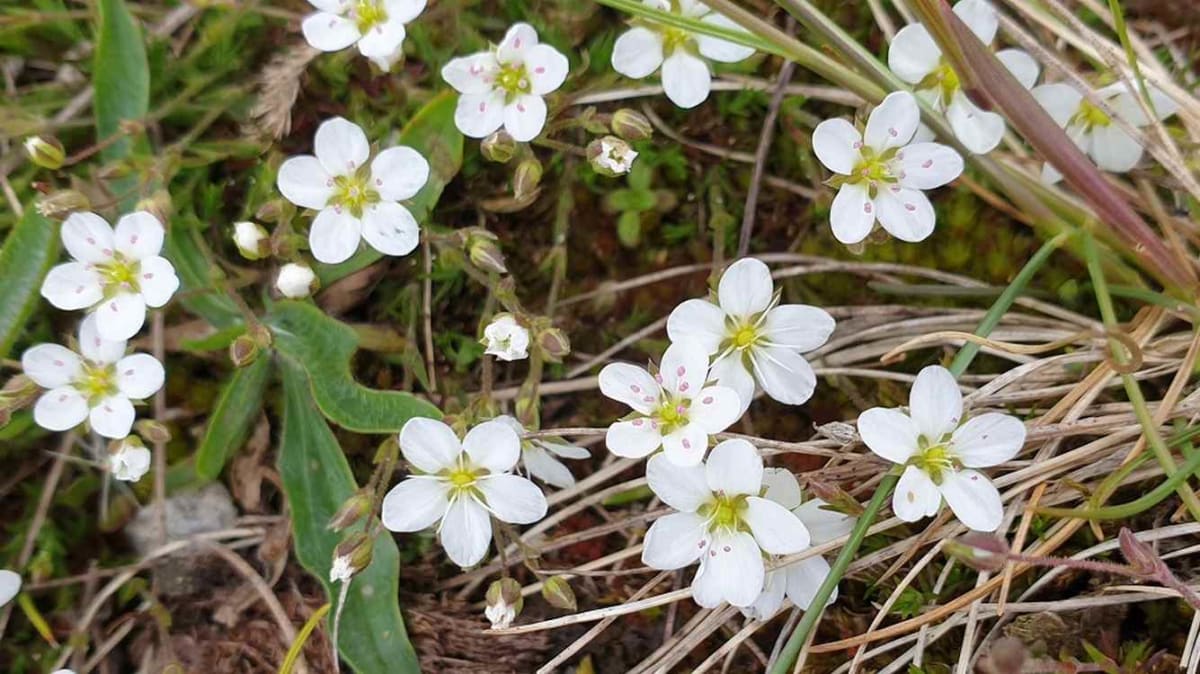
The zinc violet, a rare yellow flower, leads the charge on the continent. In the UK, mountain pansies team up with spring sandwort and Alpine penny-cress to colonize the "spoil piles" where contaminated dirt accumulated after 19th century miners dammed and unleashed rivers to strip away soil.
Here's the breakthrough: these plants don't just tolerate the toxins. They absorb lead, zinc, and cadmium through their roots and transform the metals into complex organic molecules that are no longer poisonous.
Only 450 hectares of these grasslands exist across the UK, but they're accomplishing what would cost millions in traditional environmental cleanup. The plants anchor diverse food webs while quietly detoxifying soil that's been poisoned for over a century.
Durham's Water and Abandoned Metal Mines program is now planting thousands of metallophytes around spoil piles along the River Tees. The flowers form a living barrier that stops heavy metals from leaching into rivers and surrounding soils.
The Ripple Effect
County authorities face an unusual dilemma. These grasslands exist because of neurotoxic pollution, yet they're creating precious microhabitats while preventing further contamination. Reducing zinc, cadmium, and lead in wild streams will help the waterways but diminish these unique ecosystems.
The solution might be expansion before reduction. By strategically planting metallophytes around identified contamination sites, environmental programs can protect water quality while preserving these unexpected natural wonders.
What started as ecological damage from careless 19th century mining is becoming a testament to nature's resilience. These wildflowers prove that even our worst industrial scars can bloom into something beautiful and functional.
More Images




Based on reporting by Good News Network
This story was written by BrightWire based on verified news reports.
Spread the positivity!
Share this good news with someone who needs it