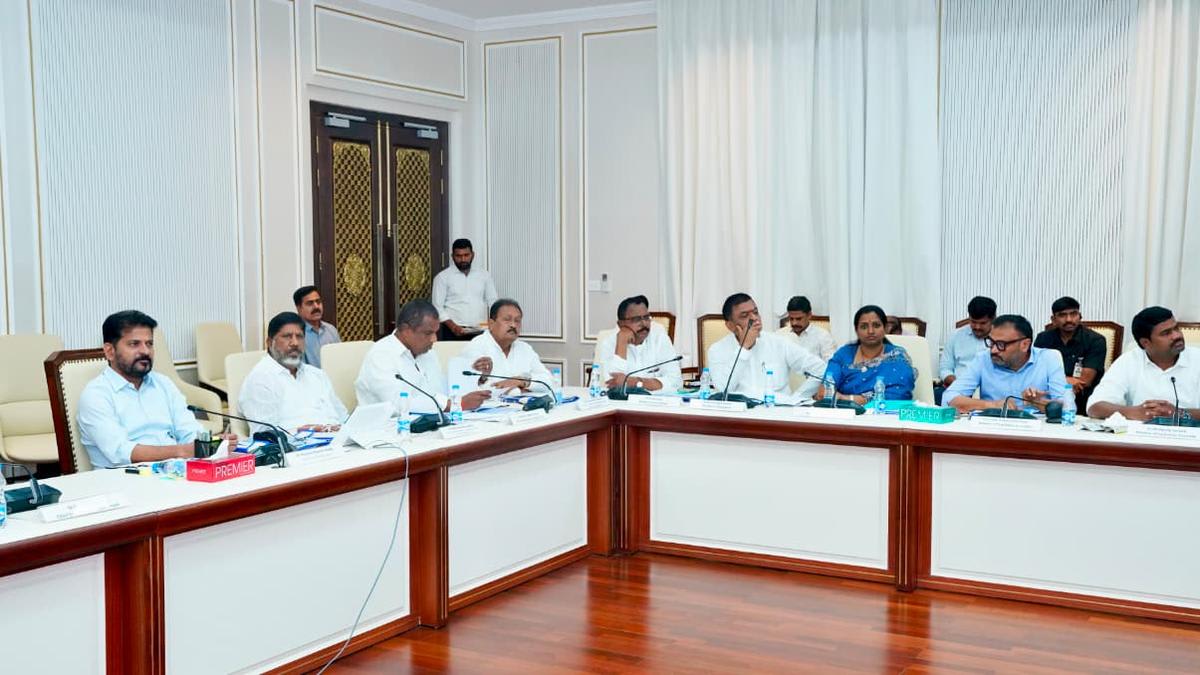
UK Youth Justice Looks to Spain's 84% Reoffending Drop
British ministers are studying Spain's youth justice system, where young offenders learn skills like beekeeping and mosaic-making instead of sitting in cells. The results speak for themselves: only 16% reoffend, compared to 62% in England and Wales.
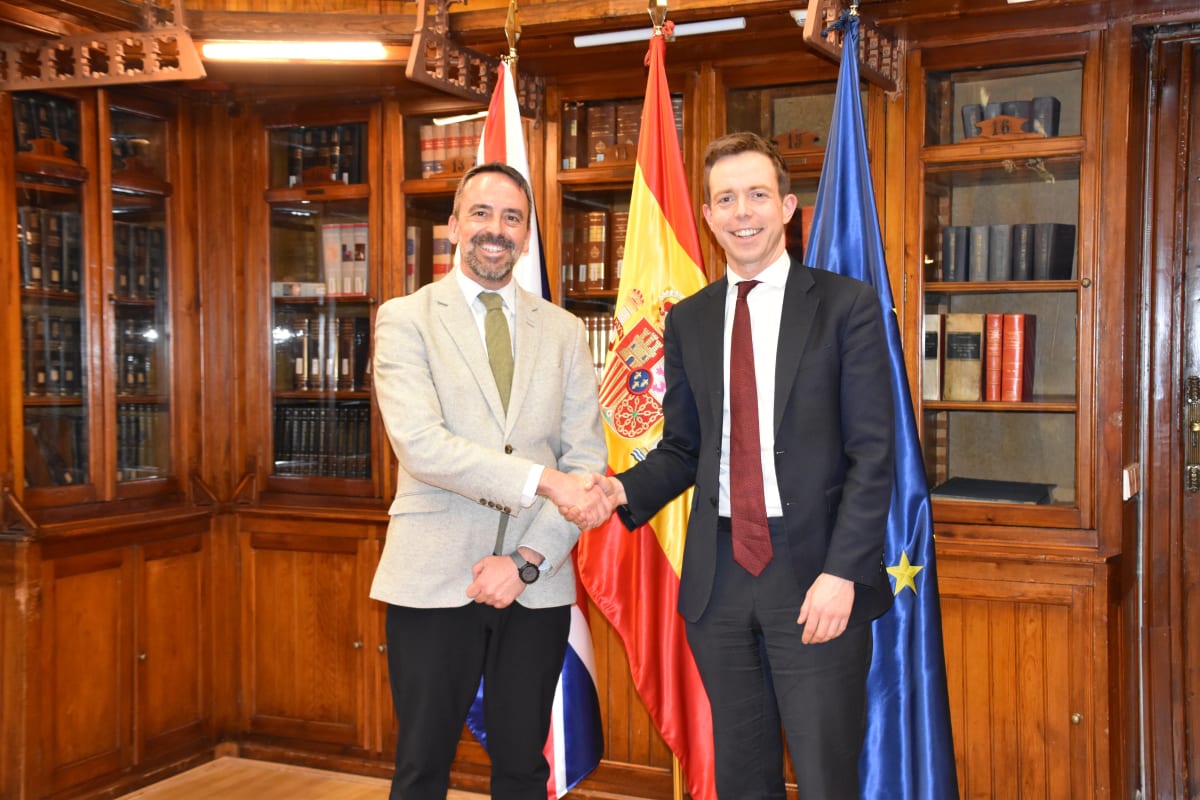
Youth justice minister Jake Richards just returned from Spain with a blueprint for hope, and the numbers are impossible to ignore.
While young offenders in England spend less than three hours outside their cells on weekends, Spanish youth in similar facilities are training horses, creating mosaics, learning food handling skills, and studying in actual classrooms. The Spanish model replaces prison guards with educators who provide daily guidance and structure.
Richards visited three facilities run by Fundación Diagrama, a nonprofit managing youth custody for Spanish regional authorities. At La Villa in Alicante, young people take drawing classes, learn screen printing and sewing, and receive job training in forklift operation and customer service. Other centers offer beekeeping, goat care, and traditional classroom subjects like math and languages.
The facilities come in two types: secure centers where young people cannot leave, and semi-open sites where they can visit their families and participate in community activities. Both focus relentlessly on rehabilitation through education and skill-building.
The contrast with England's system is stark. Youth prisons there routinely fail to deliver even the legal minimum of 15 hours weekly education for school-age children. Violence and self-harm rates run high.
The Ripple Effect
The Spanish approach isn't just kinder. It actually works better at protecting communities.
Only 16% of young people who complete their sentences at Diagrama facilities go on to reoffend. In England and Wales, that figure sits at 62%. That's not just a statistical difference. It represents hundreds of future crimes prevented and countless potential victims spared.
"What I saw in Spain was not just a different system, but a fundamentally different way of thinking about youth justice," Richards told The Independent. "Rehabilitation isn't an afterthought. It is the whole point."
Lord John Bird, founder of the Big Issue magazine and a longtime advocate for Diagrama's model, welcomed the visit. "I know firsthand how a good rehabilitation programme can set up young offenders to make meaningful contributions to their communities," he said.
The UK government plans to unveil its youth justice reforms this spring as part of what Labour calls "the most significant reforms to youth justice in a generation." The focus will be on early intervention and making custody a last resort for children.
England currently holds about 420 children in custody at any given time, the lowest number on record. Nearly half are awaiting trial and haven't been convicted of anything yet.
The path forward is clear: smaller, education-focused environments that treat young people as students who made mistakes, not criminals beyond redemption.
More Images


Based on reporting by Independent UK - Good News
This story was written by BrightWire based on verified news reports.
Spread the positivity!
Share this good news with someone who needs it
%2Ffile%2Fattachments%2F2997%2FStudentslistentoateacheratCwebeniJuniorSecondaryschoolonFebruary22024inCwebeniaruralvillageoutsidePortStJohnsSouthAfrica_751896.jpg)