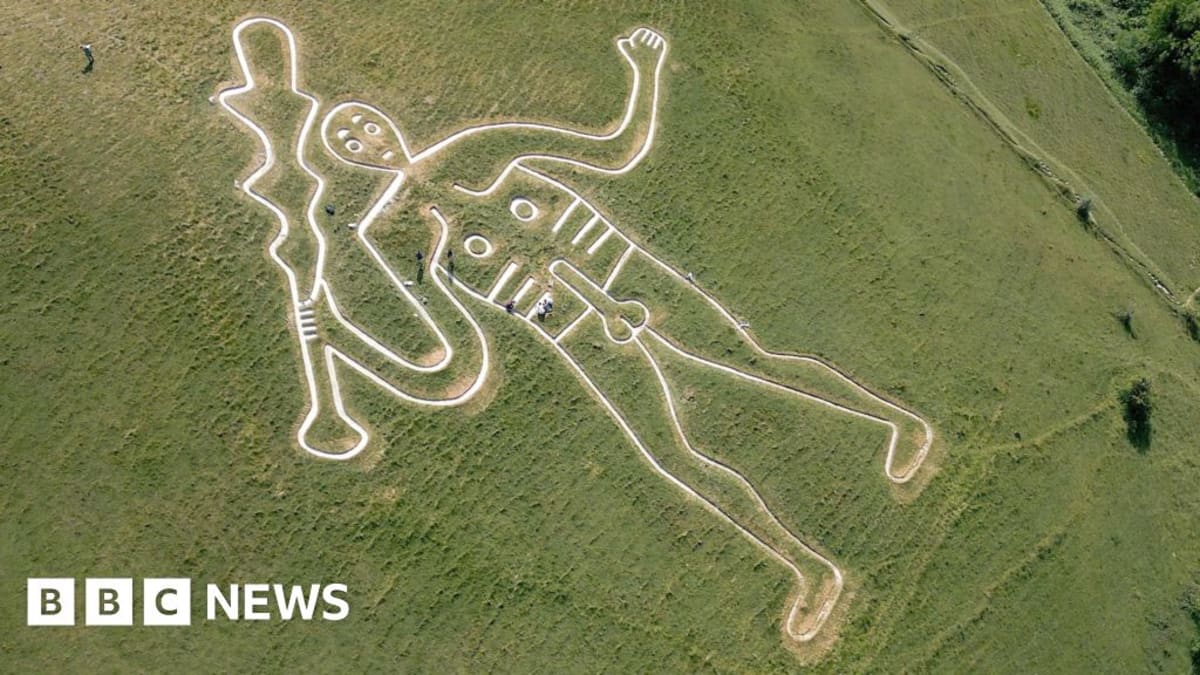
UK's Cerne Abbas Giant Gets Makeover to Fight Weather
Volunteers are giving Britain's famous 55-meter chalk figure a fresh coating after wetter winters started dulling its iconic outline. The National Trust raised £330,000 to protect the landmark and its surrounding wildlife habitat.
One of Britain's most recognizable landmarks is getting some much-needed attention, and the effort shows how communities are adapting to protect historical treasures.
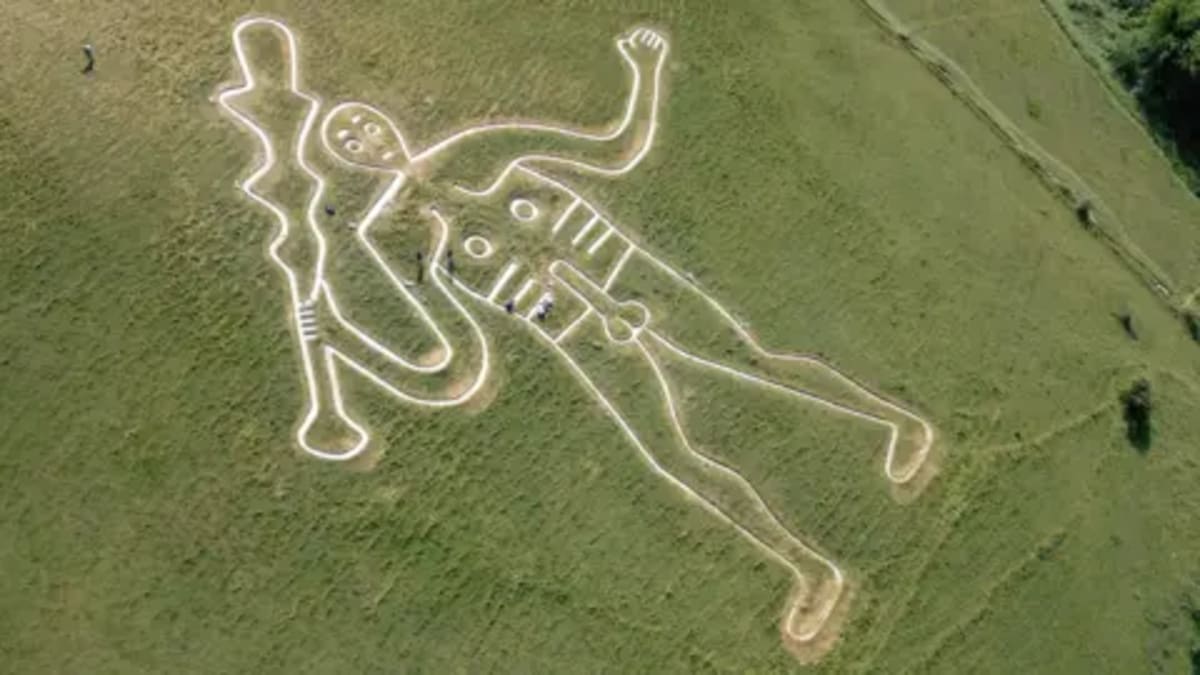
The Cerne Abbas Giant, a 55-meter naked figure carved into a Dorset hillside, has stood out for centuries. But National Trust rangers noticed something changing: heavier winter rains were washing away chalk faster, while damp conditions let algae grow, making the Giant's outline greener and less visible.
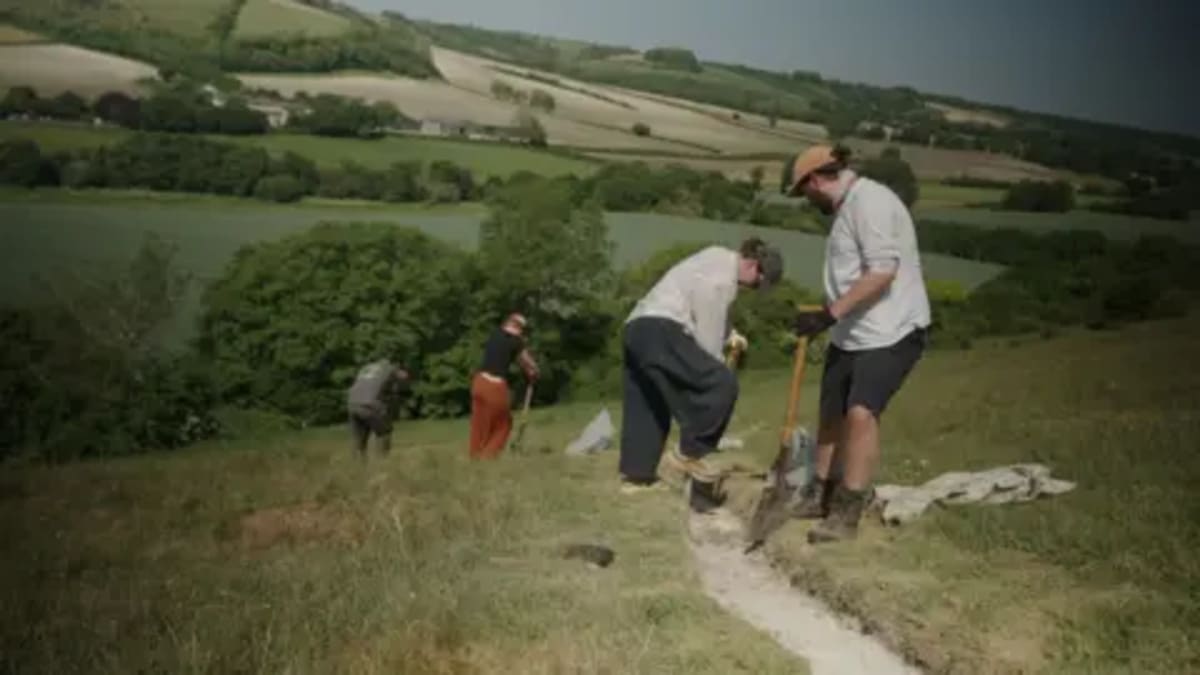
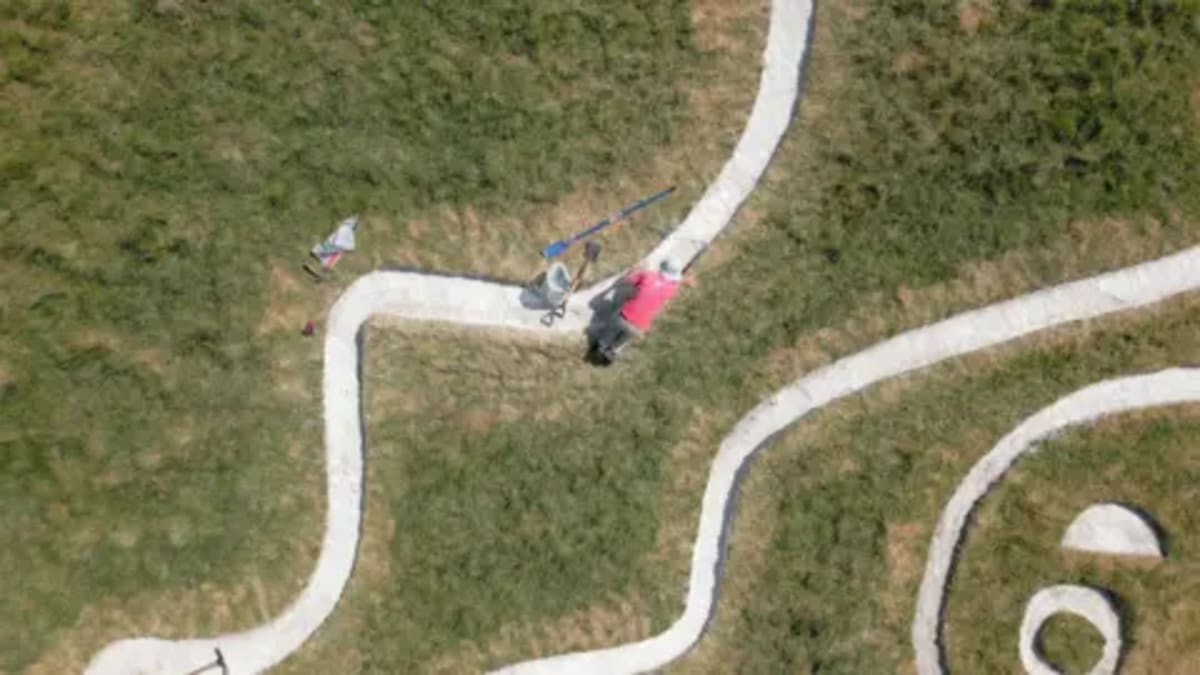
This week, 300 volunteers are hauling 17 tonnes of fresh chalk up the steep slope to restore the figure's crisp white outline. They're doing it by hand, the same way people have maintained the Giant for generations.
Luke Dawson, a National Trust ranger caring for the site, says the UK's warming climate means wetter winters and drier summers. That combination makes grass grow back slower, leaving chalk edges exposed and vulnerable to erosion. The figure now needs refreshing every seven years instead of every decade.
The work is demanding, especially on a hillside with a gradient of one in three. Volunteers like Chole Baugh and her boyfriend Joe Ford, who won their spots through a National Trust lottery, carefully dig out old chalk before packing fresh material into the Giant's outline.
The Ripple Effect
The Giant's restoration is part of something bigger. Public donations helped the National Trust raise £330,000 to protect 341 acres of land around the figure earlier this year.
The newly protected area includes rare chalk grassland and habitat for endangered species like the Duke of Burgundy butterfly. By caring for the wider landscape, the Trust can restore habitats, improve public access, and support archaeological research.
Scientists discovered in 2021 that the Giant was likely carved between 700 and 1100 AD during the late Saxon period. Oxford researchers later suggested the figure might represent Hercules and could have been a meeting point for armies defending against invaders.
Communities coming together to protect heritage sites shows how local action can preserve history while adapting to changing conditions.
More Images

Based on reporting by BBC Science
This story was written by BrightWire based on verified news reports.
Spread the positivity!
Share this good news with someone who needs it