UK's First Battery-Electric Trains to Launch in 2034
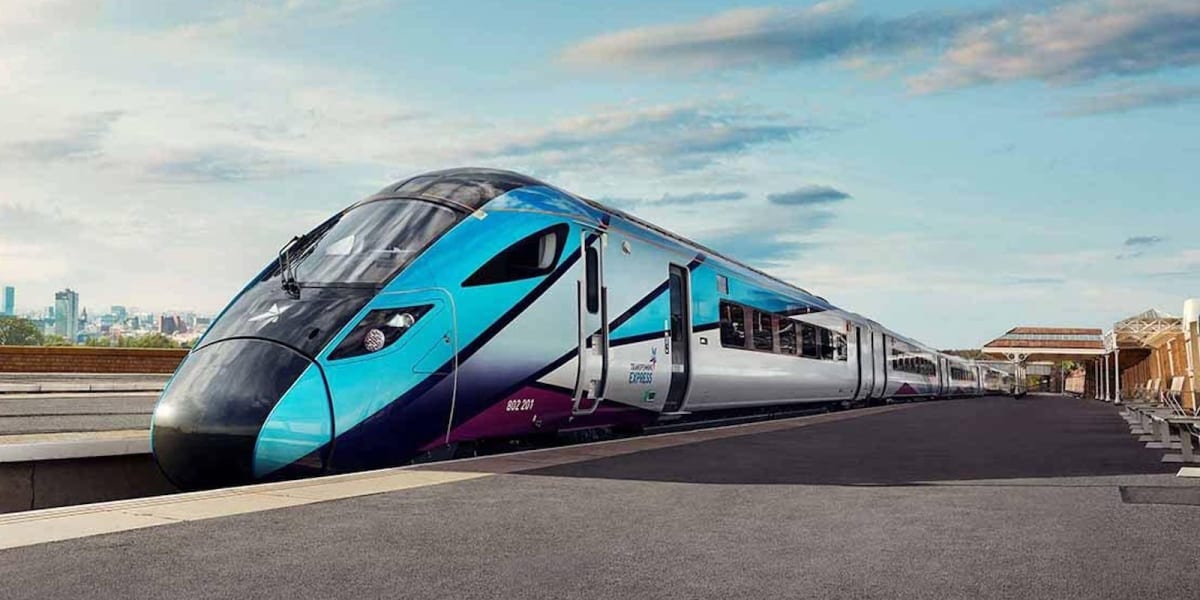
Northern England is getting 29 new battery-electric trains that promise faster, more reliable service and 6,000 jobs. These aren't just renderings—the technology has been tested since 2024.
Britain's notoriously unreliable rail system is getting a major upgrade that could transform how millions travel across northern England.
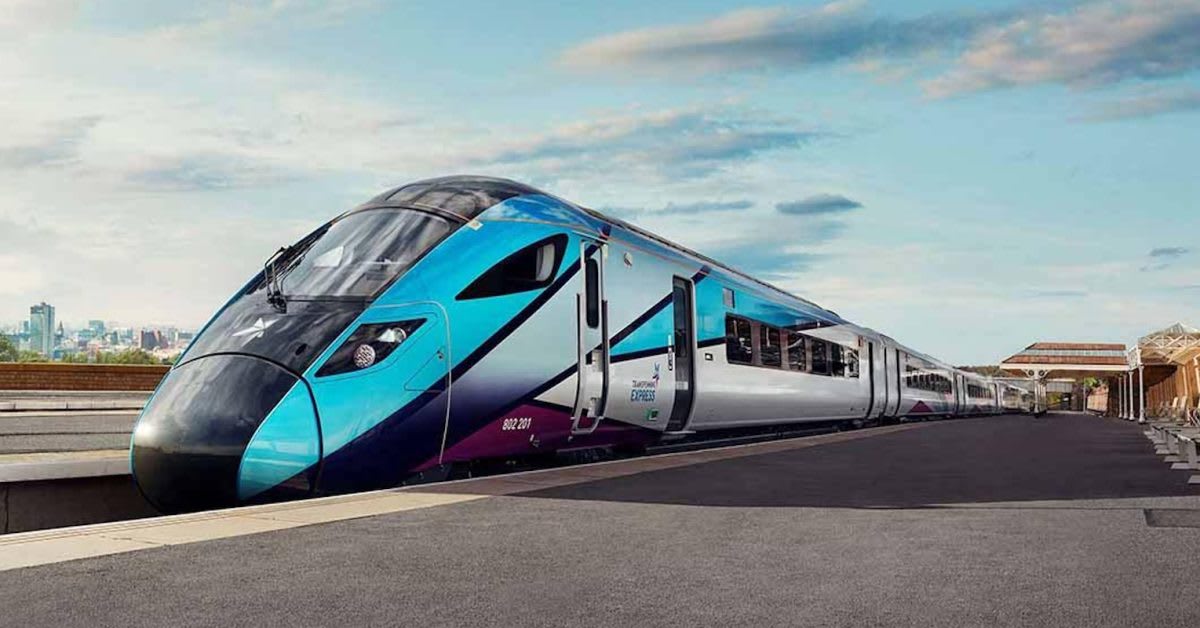
TransPennine Express and train manufacturer Alstom just announced plans for 29 battery-electric trains, marking the first time this technology will power long-distance mainline journeys in the UK. The £1 billion contract will create more than 6,000 permanent jobs and bring cleaner, faster rail service to a region that desperately needs it.
"I've lost count of the number of times someone has stopped me to tell me about the train that never came," British PM Andy Burnham told The Guardian. Missed trains mean missed shifts, missed appointments, and missed opportunities for thousands of commuters every day.
The new Adessia Stream trains will travel up to 110 mph between Liverpool and Cleethorpes, carrying around 300 passengers each. They'll feature comfortable seating, First Class dining facilities, and most importantly, the reliability that battery-electric power promises over aging diesel engines.
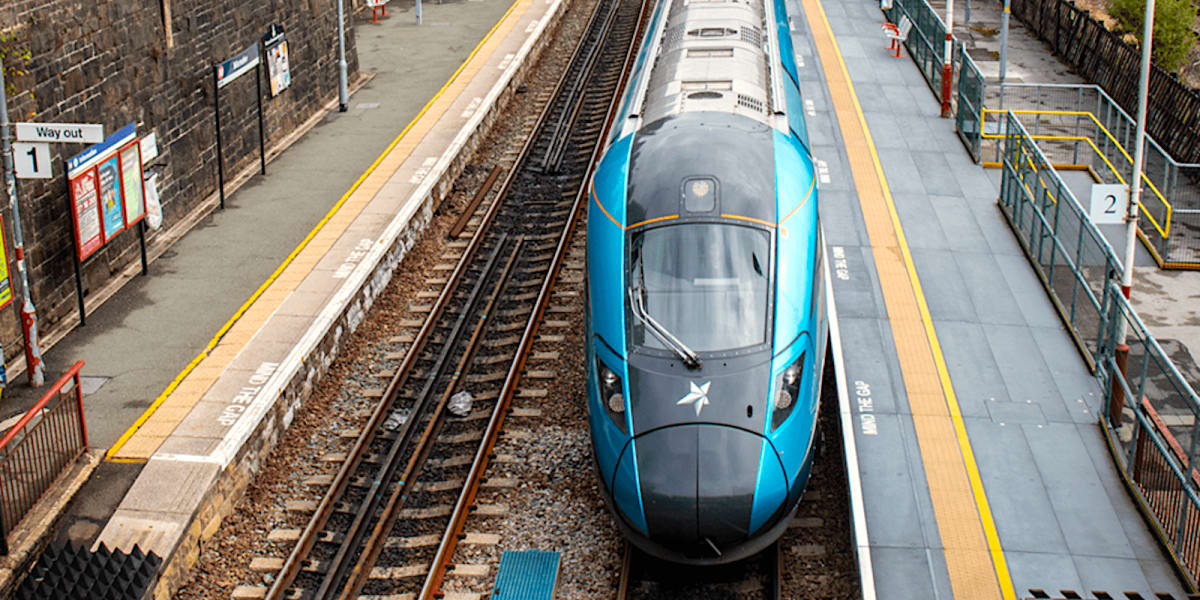
What makes this announcement credible is that it's built on real testing, not just promises. TransPennine Express has been running battery-electric locomotives on its intercity routes since 2024, replacing diesel engines with battery systems developed by Hitachi.
The trains will be designed and built in Derby, showcasing British engineering and manufacturing. "The fleet will transform journeys across northern England while showcasing the very best of British engineering, innovation and advanced manufacturing," said Rob Whyte, Managing Director UK at Alstom.
The Ripple Effect
Beyond better commutes, this project represents a shift in how Britain approaches transit infrastructure. The 6,000 jobs created will support families across the UK for decades, while the reduction in carbon emissions will contribute to the country's climate goals.
The trains entering service in 2034 might seem far off, but the groundwork is happening now. Manufacturing begins soon, testing will continue throughout the decade, and the technology is already proving itself on British rails today.
Northern England's rail passengers have waited long enough for reliable service—now they have a concrete timeline and proven technology to look forward to.
More Images


Based on reporting by Electrek
This story was written by BrightWire based on verified news reports.
Spread the positivity!
Share this good news with someone who needs it