UK's Largest Butterfly Could Return After 100 Years
Conservationists in East Yorkshire are planting a rare wetland plant to bring back the swallowtail butterfly, which vanished from the region over a century ago. The project recreates the natural habitat destroyed by 18th-century drainage, offering hope for one of Britain's rarest butterflies.
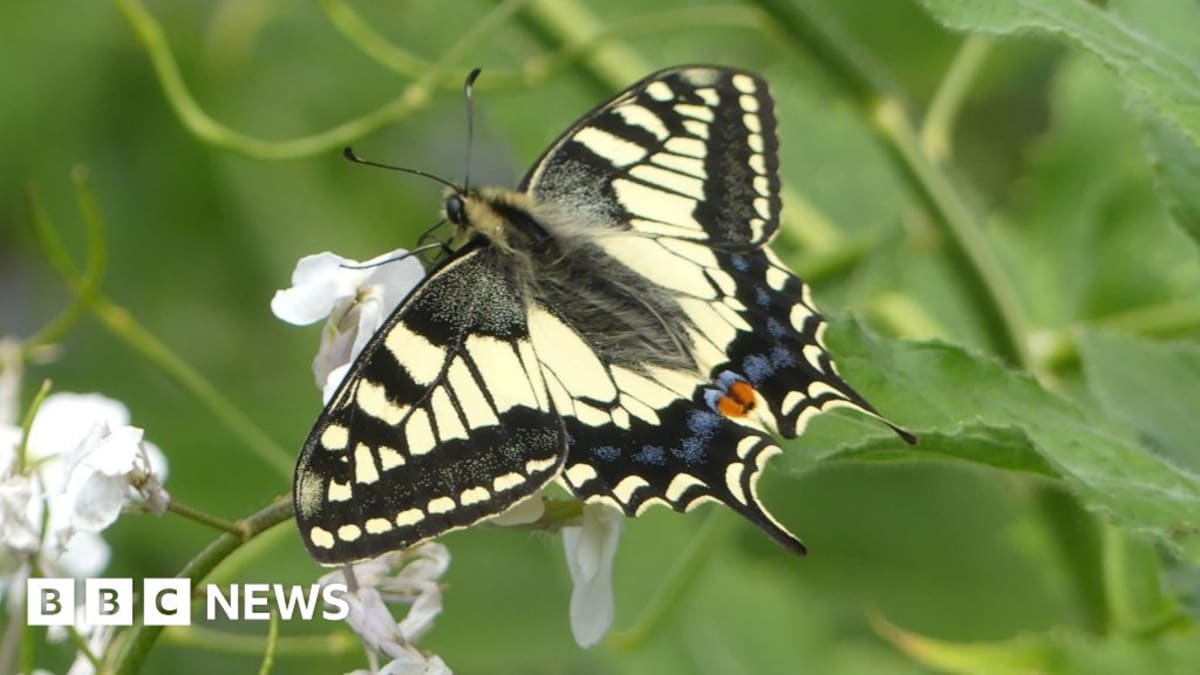
The UK's largest native butterfly could soon return to East Yorkshire for the first time in more than 100 years, thanks to a simple but powerful conservation effort.
Teams are planting milk parsley around Hornsea Mere, recreating the marshy wetland habitat that once attracted clouds of swallowtail butterflies. The stunning insects disappeared from the region after large-scale land drainage in the 1700s and 1800s wiped out the plant they need to survive.
John Barnard, a wetland specialist at Yorkshire Water's Tophill Low Nature Reserve, collected seeds from the few remaining milk parsley plants still clinging to life at Hornsea Mere. He grew a fresh batch genetically identical to the original population that once thrived there.
"There are historical records of swallowtails right across East Yorkshire," Barnard said. "Bringing milk parsley back basically puts things in place for where they originally lived."
Today, swallowtails exist in just one location in the entire UK: the Norfolk Broads. Visitors travel from across the country between late May and mid-July just to glimpse these rare butterflies with their distinctive yellow and black wings.
The Wassand Estate and Yorkshire Water are partnering to establish the plants across the River Hull catchment. Volunteers are carefully placing nursery-grown milk parsley in the reedbeds and marshes surrounding Hornsea Mere, a protected site known for rare and migratory birds.
The Ripple Effect
This project does more than just bring back one beautiful butterfly. Restoring milk parsley means rebuilding an entire wetland ecosystem that was lost when Dutch engineers drained East Yorkshire's fens three centuries ago.
The wider network of wetland habitat being created will support countless other species that depend on these marshy landscapes. Each new plant represents a small repair to the natural world, stitching back together an ecosystem that humans tore apart.
Conner Peters from Groundwork Yorkshire, which is restoring the mere, estimates the earliest butterfly reintroduction could happen in about five years. The plant populations need time to establish themselves before they can support breeding butterflies.
The swallowtails won't return overnight, but the work happening today is laying the foundation for future generations to witness something their great-grandparents once took for granted.
More Images

Based on reporting by BBC Science
This story was written by BrightWire based on verified news reports.
Spread the positivity!
Share this good news with someone who needs it