Ultra-Thin Retinal Implant Could Restore Vision Wirelessly
Scientists have created a wireless retinal implant thinner than a human hair that could one day restore sight to millions living with vision loss. The breakthrough device uses safe near-infrared light instead of risky visible light, eliminating the need for bulky electronics.
Millions of people with degenerative eye diseases may soon have a path back to seeing the world around them, thanks to a revolutionary implant no thicker than a strand of hair.
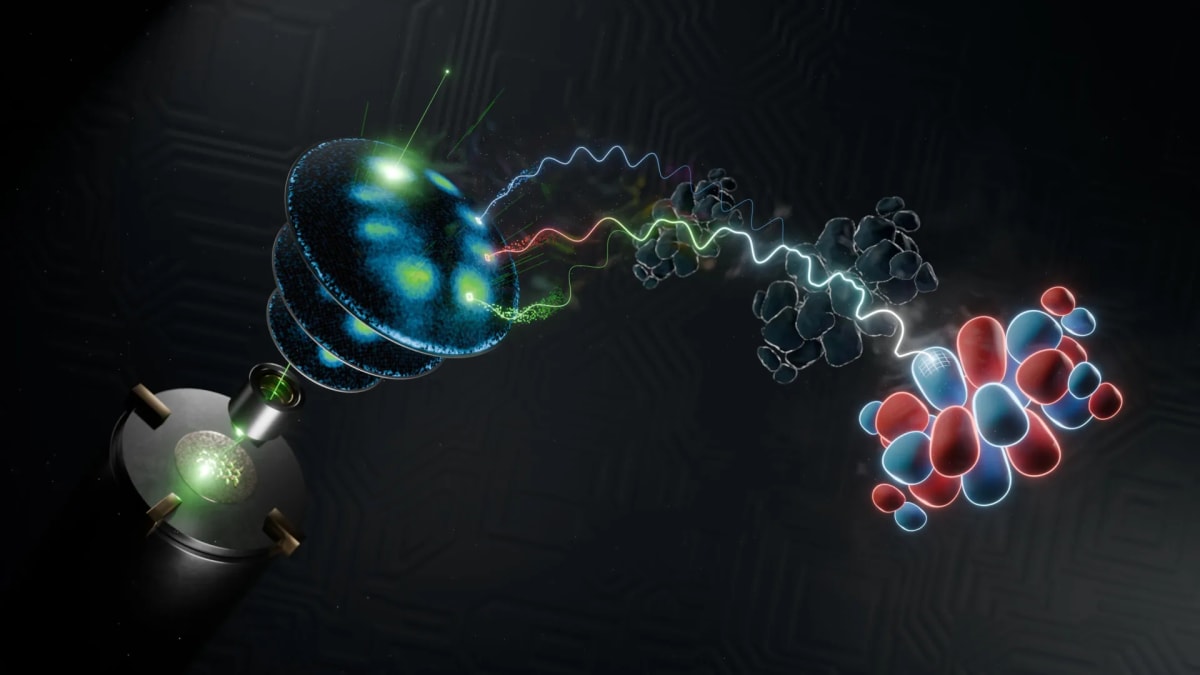
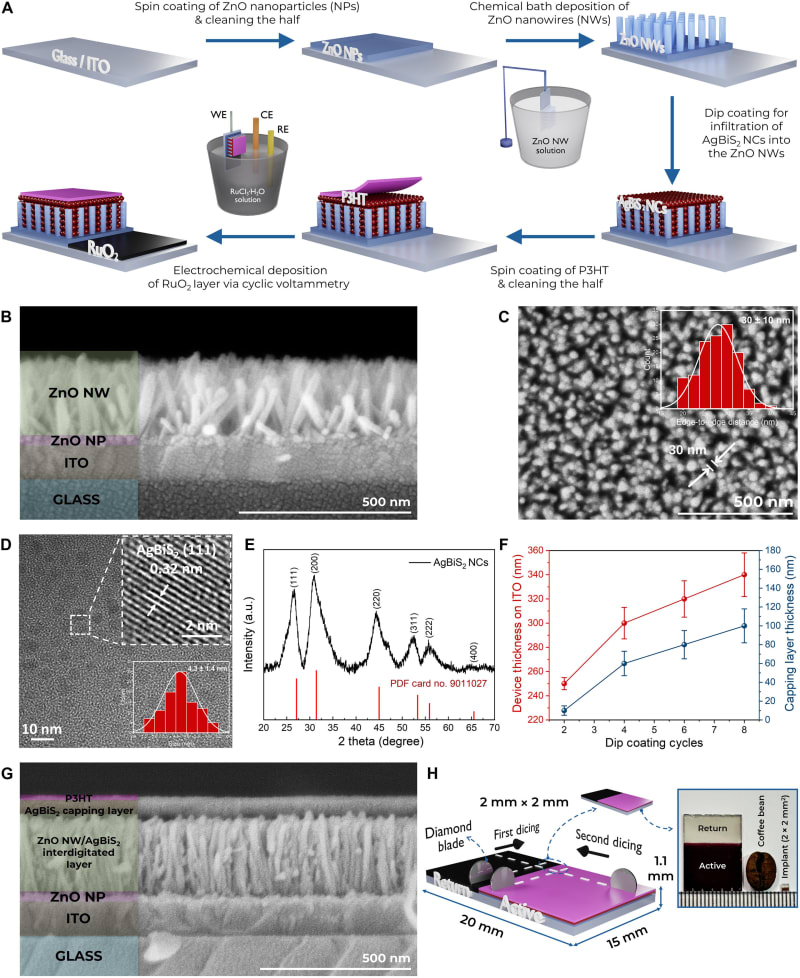
Researchers at Koç University in Turkey have developed a wireless retinal implant that converts light into electrical signals the brain can understand. Unlike current devices that require complex wiring and use potentially harmful visible light, this next-generation technology operates completely wirelessly using safe near-infrared light.
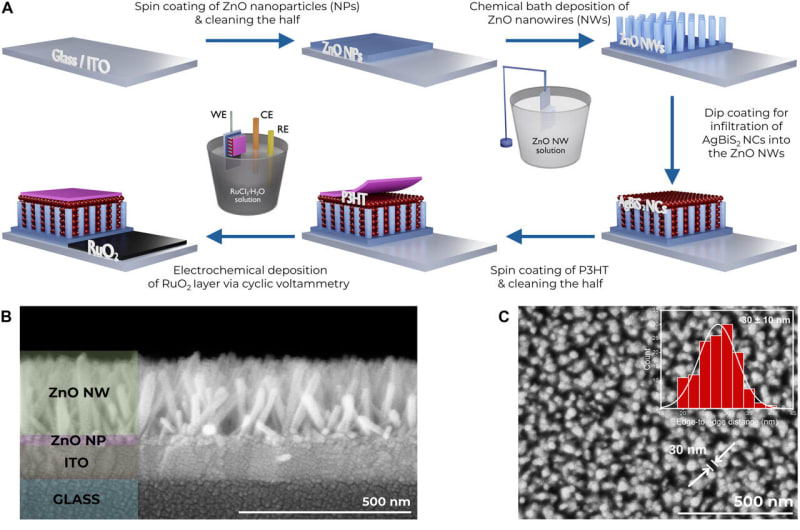
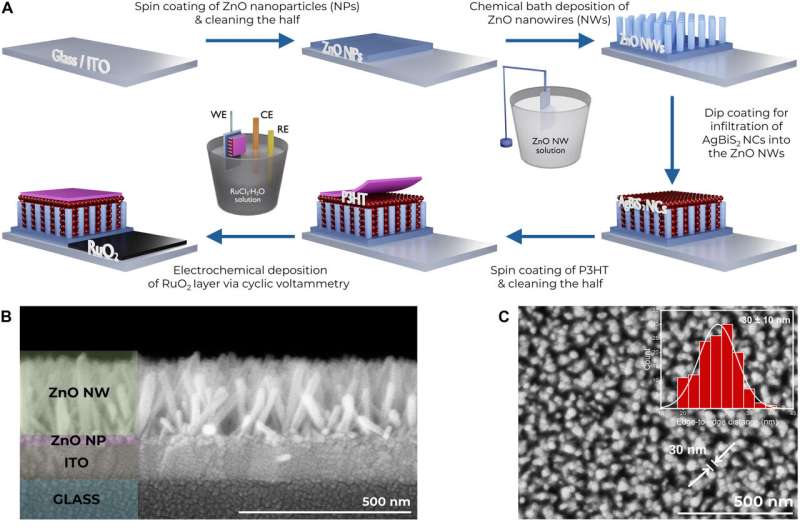
The team, led by Professor Sedat Nizamoğlu, built the device using zinc oxide nanowires combined with silver-bismuth-sulfide nanocrystals. These Nobel Prize-winning materials work together to stimulate damaged retinal neurons without causing heat damage or requiring surgery for battery replacement.
Current retinal implants face serious limitations. They're bulky, require external cables threaded through the eye, and use high-intensity visible light that can harm delicate eye tissue over time. Many patients avoid them entirely because of these risks.
The new implant solves these problems with elegant simplicity. Near-infrared light penetrates tissue more safely and deeply than visible light, operating at intensities well below safety limits. The ultra-thin design means less invasive surgery and better compatibility with the eye's natural structure.
Testing on rat retinal tissue showed remarkable results. Neurons responded strongly and precisely to the device's stimulation, firing in repeatable patterns that mirror natural vision signals. Even better, the implant caused no cellular stress, toxicity, or dangerous temperature increases during extended use.
The Ripple Effect
This technology reaches far beyond restoring sight. The same wireless stimulation approach could revolutionize treatments for brain disorders, heart conditions, and muscle diseases—any electrically excitable tissue in the body.
The device specifically targets people with macular degeneration and retinitis pigmentosa, conditions that currently have no cure and affect millions worldwide. For these individuals, everyday activities like reading faces or crossing streets safely remain constant challenges.
Professor Nizamoğlu emphasized the broader significance: "This nanoscale system opens new avenues not only for visual prosthetics but also for a wide range of biomedical applications that interact with the nervous system."
The study, published in Science Advances, represents years of interdisciplinary work combining electrical engineering, nanotechnology, and neuroscience. While human trials remain on the horizon, the team's rigorous safety testing and strong performance results suggest a promising path forward.
For people living with progressive vision loss, hope now comes in a package smaller than they could have imagined.
More Images
Based on reporting by Phys.org
This story was written by BrightWire based on verified news reports.
Spread the positivity!
Share this good news with someone who needs it