UN Adopts Historic Reform to Deliver Results Faster
The United Nations just passed a groundbreaking resolution to cut through bureaucracy and make global problem-solving more effective. After 80 years and over 40,000 resolutions, the UN is streamlining how it turns decisions into real-world action.
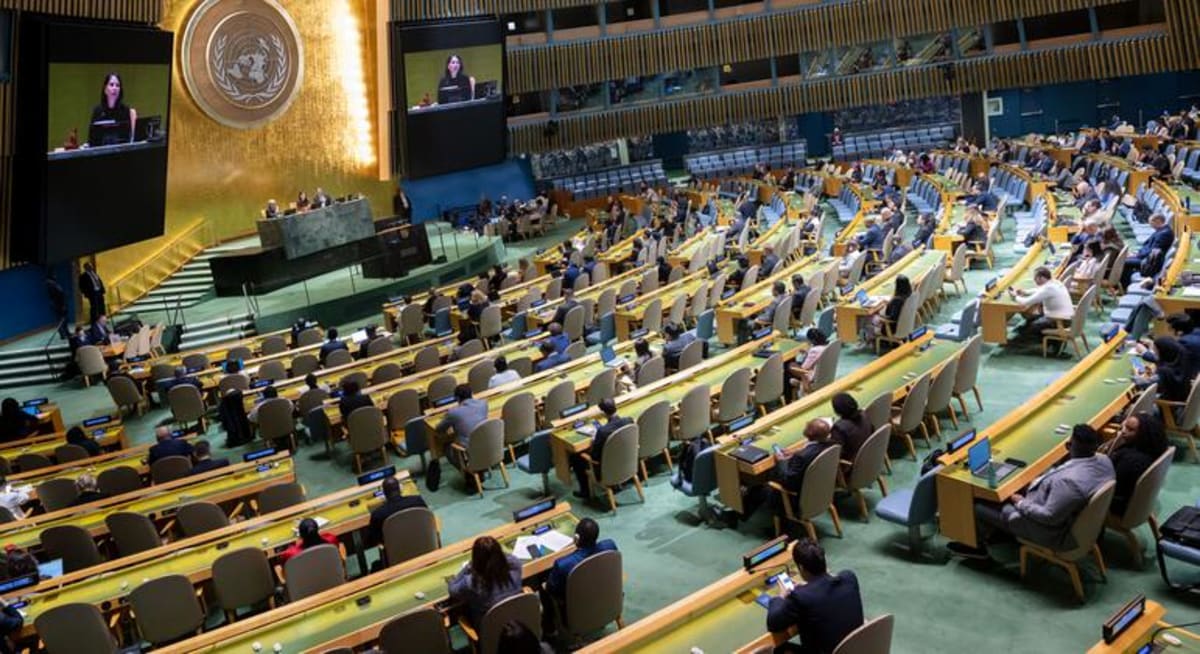
The United Nations General Assembly voted Tuesday to overhaul how the organization tackles global challenges, marking the biggest efficiency reform in recent history.
Since 1946, UN member countries have created more than 40,000 resolutions, decisions, and statements. That mountain of mandates has become nearly impossible to navigate, creating duplicate efforts, endless reports, and confusion about what's actually getting done.
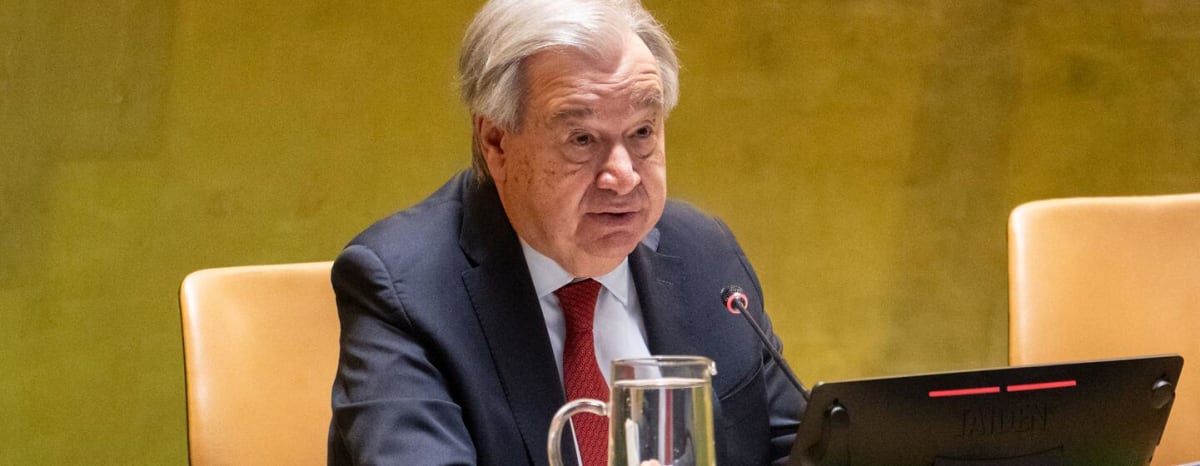
Secretary-General António Guterres called the new resolution "a major step" that will help translate ambitious goals into concrete action. The reform introduces a clear lifecycle for every UN mandate, from the moment it's created to how it's reviewed for results.
Here's what changes: New mandates will be clearer and more focused from day one. Implementation will be better coordinated with improved data tracking and easier-to-read reports. Most importantly, there will be systematic reviews to ensure programs actually deliver results and stay relevant.
The resolution also creates better digital tools, including an expanded UN Mandate Registry that gives countries consolidated information on what resources are being used and what impact they're achieving. No more hunting through decades of documents to understand what's happening.
Why This Inspires
This reform tackles something that frustrates people about large organizations everywhere: good intentions that get lost in red tape. By demanding clearer goals, better tracking, and regular reviews, the UN is committing to a culture of accountability and continuous improvement.
The change comes through the UN80 Initiative, a top-to-bottom reform launched last year to ensure "every mandate, dollar and decision delivers maximum value for people and planet." It's designed to help the organization respond faster to crises, from humanitarian emergencies to human rights violations.
General Assembly President Annalena Baerbock emphasized that this is just the beginning of a broader transformation. A new working group open to all member states will develop practical templates and review existing mandates to eliminate overlap and waste.
The timing matters too. In a world facing climate change, conflicts, and public health challenges, people need international cooperation that actually works. This reform acknowledges that bureaucracy has been slowing down solutions and commits to fixing it.
The next phase begins Monday when the General Assembly receives the full UN80 Initiative Action Plan. After eight decades, the world's primary peacekeeping and humanitarian organization is finally getting the efficiency upgrade it needs to meet modern challenges.
More Images
Based on reporting by UN News
This story was written by BrightWire based on verified news reports.
Spread the positivity!
Share this good news with someone who needs it