UN Aid Flights Resume in Sudan After 3-Year Gap
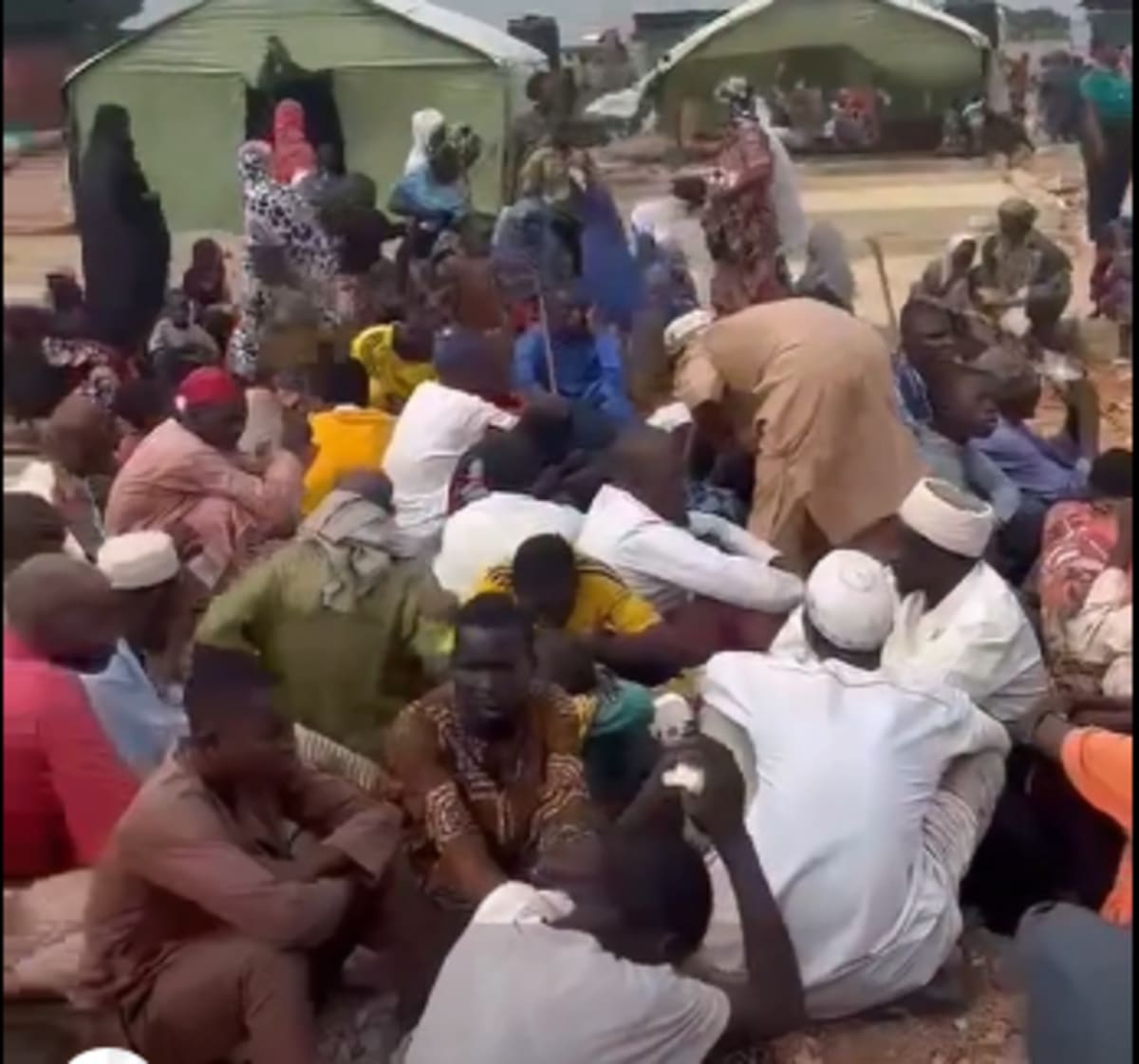
UN humanitarian flights are returning to Sudan's capital for the first time in three years, bringing hope to communities cut off by conflict. The service will fly aid workers and supplies weekly to areas that desperately need support.
After nearly three years of silence in the skies, UN humanitarian flights touched down in Khartoum last week, reopening a vital lifeline to communities trapped by war.
The United Nations Humanitarian Air Service (UNHAS) resumed operations on Thursday, carrying UN staff and aid workers from multiple organizations. The flights represent a breakthrough in reaching people who have been isolated by Sudan's ongoing conflict.
Denise Brown, head of the UN humanitarian office in Sudan, traveled on one of the first flights from Khartoum to South Kordofan. She described the moment as a turning point for communities in previously unreachable areas like Kadugli and Dilling.
"This service is vital to provide support and assistance to communities affected by the war," Brown said. She thanked the UN team, Sudanese authorities for granting permissions, and donors who funded the operation.
The flights will run weekly, providing safe and reliable transport for passengers and light cargo. Felipe Korf, spokesman for the World Food Programme, confirmed the service will continue on a regular schedule to support the wider humanitarian community.
Getting flights off the ground required careful negotiations and safety planning. A pledge from forces on the ground not to target the airport helped make operations possible, though risks remain around aviation safety, security, and ground operations.
The Ripple Effect
The return of humanitarian flights means more than just transportation. Aid teams can now reach communities faster, assess urgent needs on the ground, and coordinate with local partners who have been working in isolation.
While supply convoys can now enter some areas by road, the aircraft ensures humanitarian workers can deploy quickly to support people in crisis. The combination of air and ground access creates new possibilities for delivering food, medical supplies, and other essential aid.
The flights also represent hope for a country devastated by conflict. After three years of being cut off from regular humanitarian air service, communities in Sudan are seeing tangible evidence that the world hasn't forgotten them.
Weekly flights are just the beginning of what aid workers hope will be expanded operations as security conditions allow.
Based on reporting by AllAfrica - Headlines
This story was written by BrightWire based on verified news reports.
Spread the positivity!
Share this good news with someone who needs it