UN Chief: Migration Isn't a Crisis, Cooperation Is the Answer
UN Secretary-General Antonio Guterres challenged fear-driven narratives on migration, calling for global cooperation instead of division. His message reframes how the world views human mobility and offers a path forward grounded in dignity.
The UN's top leader just delivered a powerful reframe on one of the world's most politicized issues: migration isn't the crisis, our lack of cooperation is.
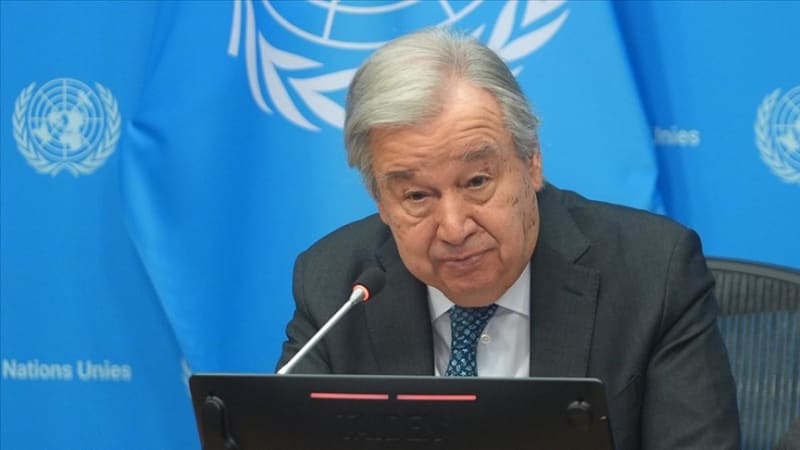
Speaking to the General Assembly, UN Secretary-General Antonio Guterres urged countries to reject fear-based narratives and work together to manage human mobility with dignity. His message comes at a time when migration debates increasingly divide nations and communities.
"Human mobility is profoundly shaping our world," Guterres said. Yet instead of collaboration, the global response has been driven by fear, division, and what he called "rank opportunism."
Guterres didn't mince words about the real problem. Across continents, migrants are being used as political pawns, with devastating consequences for real people seeking safety and opportunity.
He emphasized a crucial distinction often lost in heated debates: migrants are not criminals, they are victims. The real criminals are the smuggling and trafficking networks that profit from despair and exploit the absence of safe pathways.
These networks thrive when countries fail to cooperate, Guterres explained. They must be pursued, prosecuted, and brought to justice.
The UN chief highlighted a troubling trend: safe and legal migration pathways are becoming increasingly restrictive. Families and low-wage workers face the steepest barriers to regular migration.
But blocking pathways doesn't make migration disappear. People don't vanish just because legal routes close; they simply take more dangerous ones.
The Ripple Effect
Guterres outlined two concrete priorities that could transform how the world handles migration. First, expanding and simplifying clear pathways for regular migration so people have safe, legal options.
Second, investing in development cooperation that creates real opportunities in countries of origin. That means meaningful investment in education, skills training, and decent job creation where people live.
These solutions address root causes while respecting human dignity. When people have good options at home and clear pathways to migrate legally when needed, dangerous smuggling networks lose their power.
The approach recognizes that human mobility itself isn't new or inherently problematic. What's broken is the system for managing it fairly and safely.
Guterres closed with a simple challenge: choose cooperation over chaos, and dignity over discrimination.
His message offers a hopeful alternative to the fear-based narratives dominating headlines, reminding world leaders that working together creates better outcomes for everyone.
More Images



Based on reporting by Google: cooperation international
This story was written by BrightWire based on verified news reports.
Spread the positivity!
Share this good news with someone who needs it