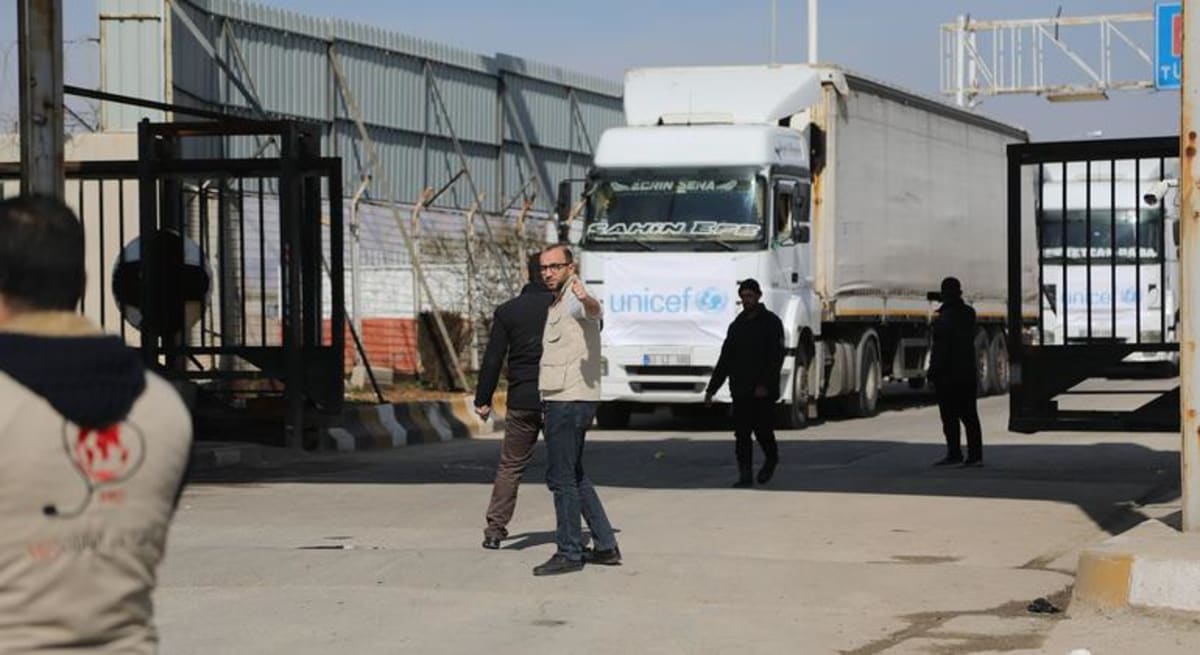
UN Closes Syria Aid Route After 65,000 Lifesaving Trips
After 11 years and more than 65,000 truck journeys, the UN is closing its emergency aid route into Syria because regular trade routes have reopened. The milestone marks a hopeful shift from crisis to stability in the war-torn region.
The United Nations just wrapped up one of its most ambitious humanitarian missions ever, and the reason why is actually good news.
After 11 years of operation, the UN closed its emergency cross-border aid route from Turkey into Syria this week. The massive logistics operation delivered critical supplies through more than 65,000 truck journeys, helping an average of 1.25 million people each year.
But here's the uplifting part: they're closing it because they don't need it anymore. Regular commercial border crossings have reopened, allowing aid to flow through normal trade channels for the first time in over a decade.
The emergency route launched in July 2014 when Syria's infrastructure was heavily damaged and security conditions made normal supply chains impossible. What started as a temporary fix became one of the UN's largest and most complex supply operations in history.
UN Spokesperson Stéphane Dujarric explained the challenge: coordinating across multiple borders and authorities while navigating constantly shifting security conditions. The operation continued even through the devastating February 2023 earthquake that rocked the border region.
Independent UN inspection teams verified every shipment to ensure transparency and compliance. The trucks carried everything from food and medicine to shelter materials and emergency supplies.
The Bright Side
This transition represents something rarely seen in humanitarian work: an emergency operation ending because conditions actually improved. The reopening of commercial routes signals growing stability in a region that desperately needed good news.
Relief chief Tom Fletcher emphasized that this new model builds on years of sustained progress. Aid delivery will continue, but now through more sustainable commercial channels rather than emergency operations.
The shift means local economies can strengthen as regular trade resumes, creating jobs and normalizing daily life for millions of Syrians. It's a concrete sign that recovery is taking root.
After more than a decade of crisis, the border region is finally stable enough for regular commerce to return.
Based on reporting by UN News
This story was written by BrightWire based on verified news reports.
Spread the positivity!
Share this good news with someone who needs it