UN Diplomats Quietly Stopped 80 Years of Wars You Never Heard About
While peacekeepers grab headlines, UN diplomatic missions have spent eight decades preventing conflicts before they explode into violence. Their secret weapon? Simple conversation and patience.
For 80 years, some of the world's biggest victories have been the wars that never happened.
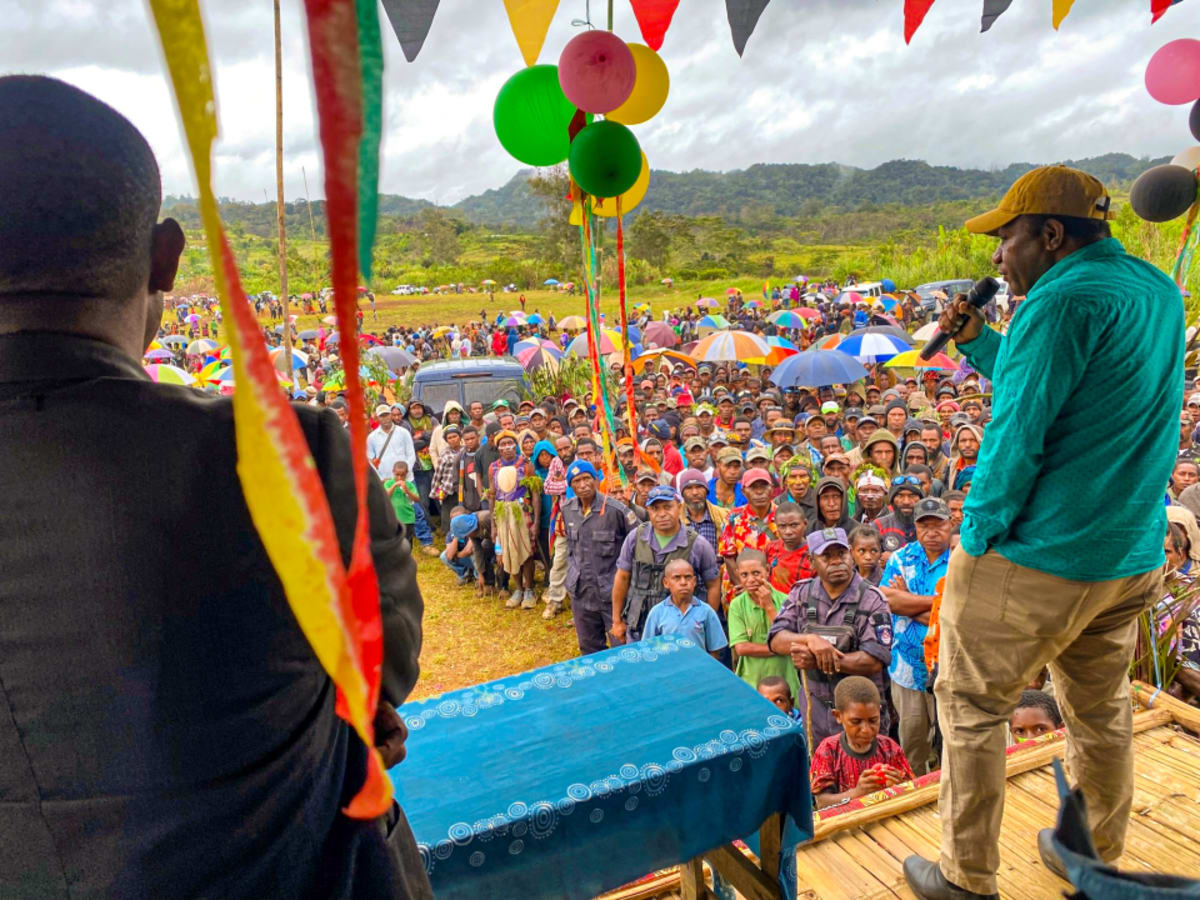
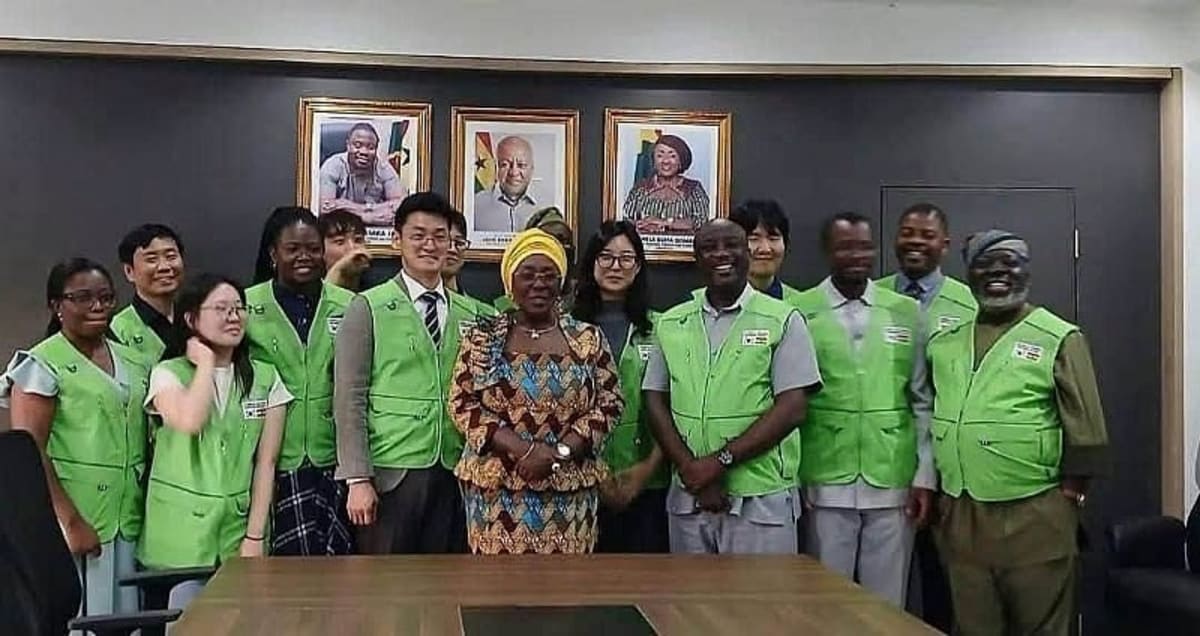
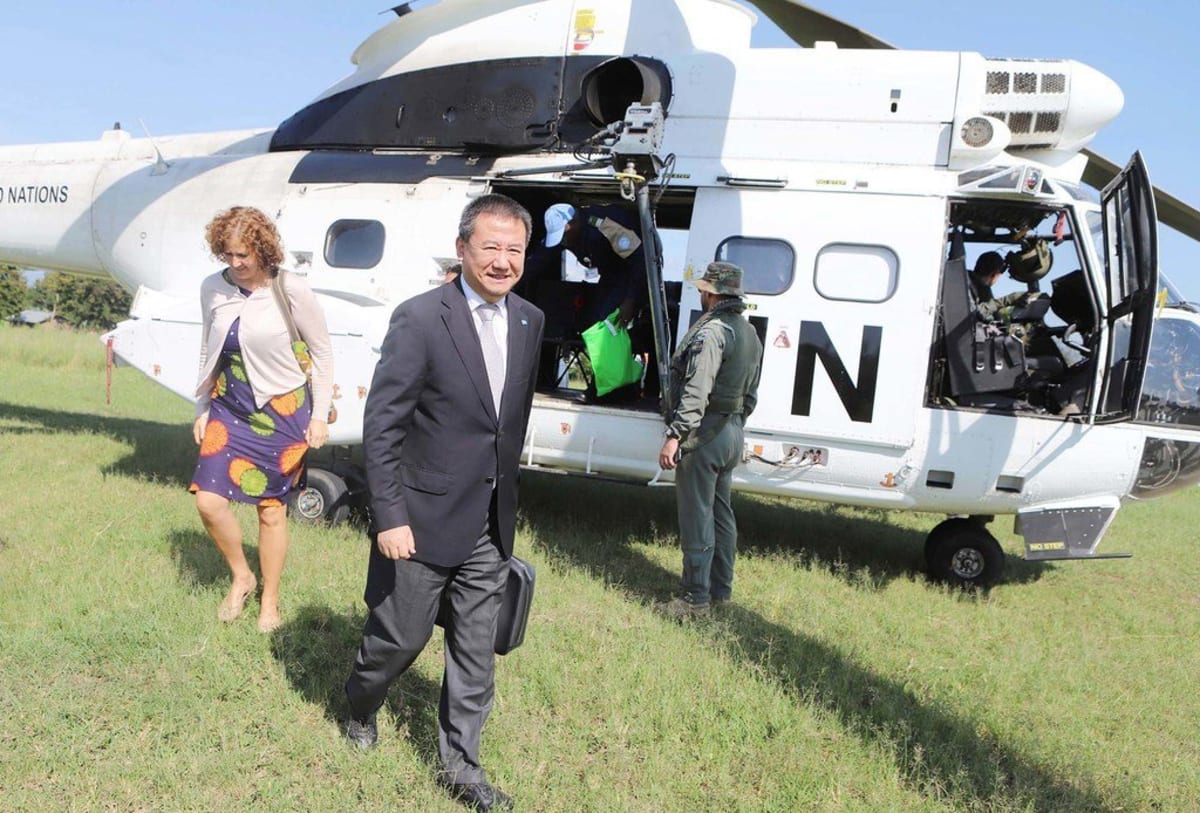
UN special political missions work without fanfare, armed only with negotiation skills and endless patience. Unlike blue-helmeted peacekeepers with armored vehicles, these diplomats sit at tables, ease tensions, and help countries avoid bloodshed before it starts.
The results speak volumes. Libya became an independent nation in the 1950s through UN-brokered talks instead of war. Afghanistan saw peace accords signed in 1988 after years of quiet shuttle diplomacy. Tajikistan transitioned from civil war to stability with help from patient mediators.
"Diplomacy works," says Rosemary DiCarlo, UN Under-Secretary-General for Political and Peacebuilding Affairs, as she unveiled the first comprehensive review of these missions spanning 1948 to 2025.
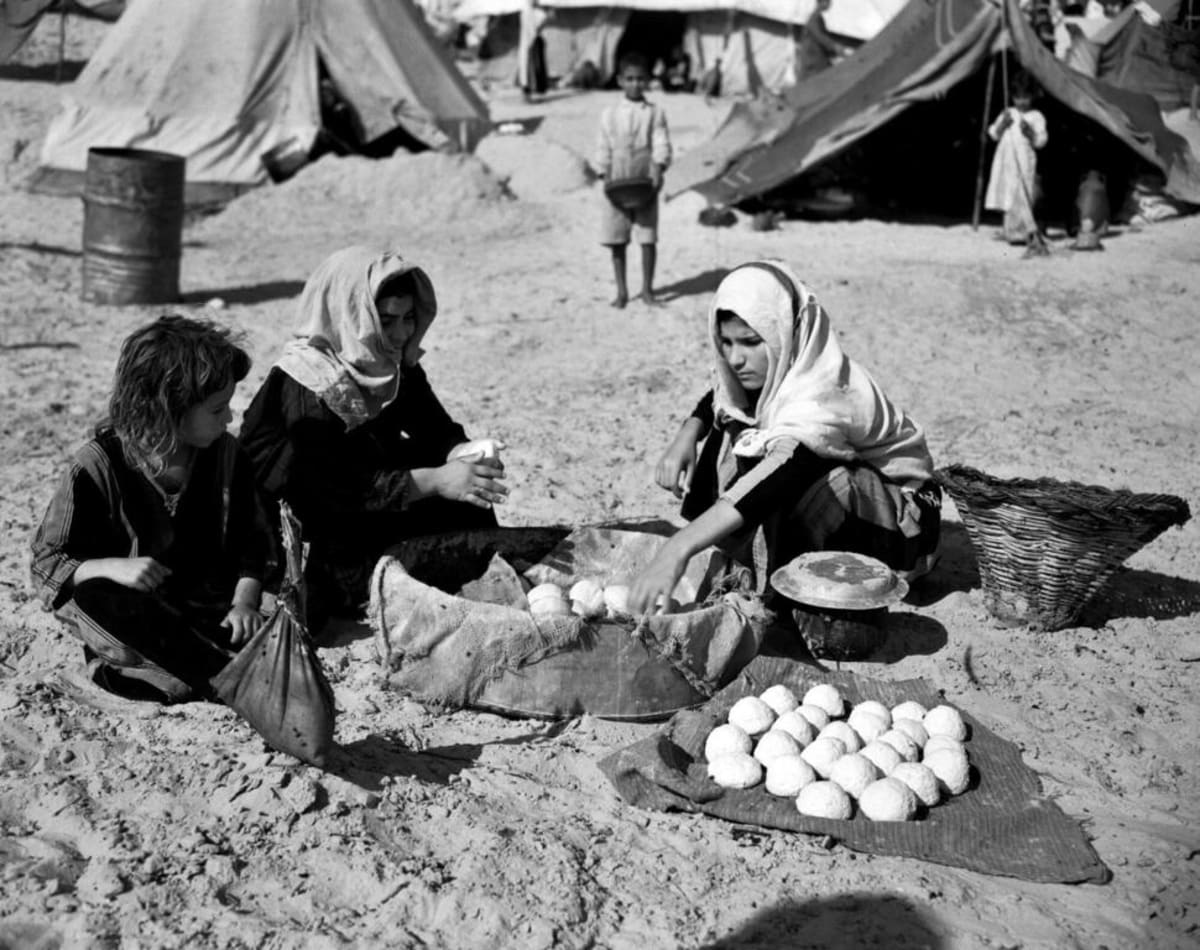
The first mission launched in May 1948, just months after the UN itself was created. Swedish diplomat Count Folke Bernadotte became the UN's first special envoy, sent to help resolve conflict in Palestine.
Since then, these missions have helped draft constitutions, monitor ceasefires, support elections, train civil servants, and rebuild trust after devastating conflicts. They've worked in El Salvador, Guatemala, Burundi, Somalia, Nepal, Angola, and dozens of other nations.
The Ripple Effect
What makes these missions remarkable is their flexibility. The same approach that brokers a ceasefire can also help dismantle chemical weapons programs or support border agreements between rival nations.
During the Cold War, when superpower rivalry paralyzed the Security Council, special representatives kept working. They proved that geopolitical division doesn't have to mean diplomatic paralysis.
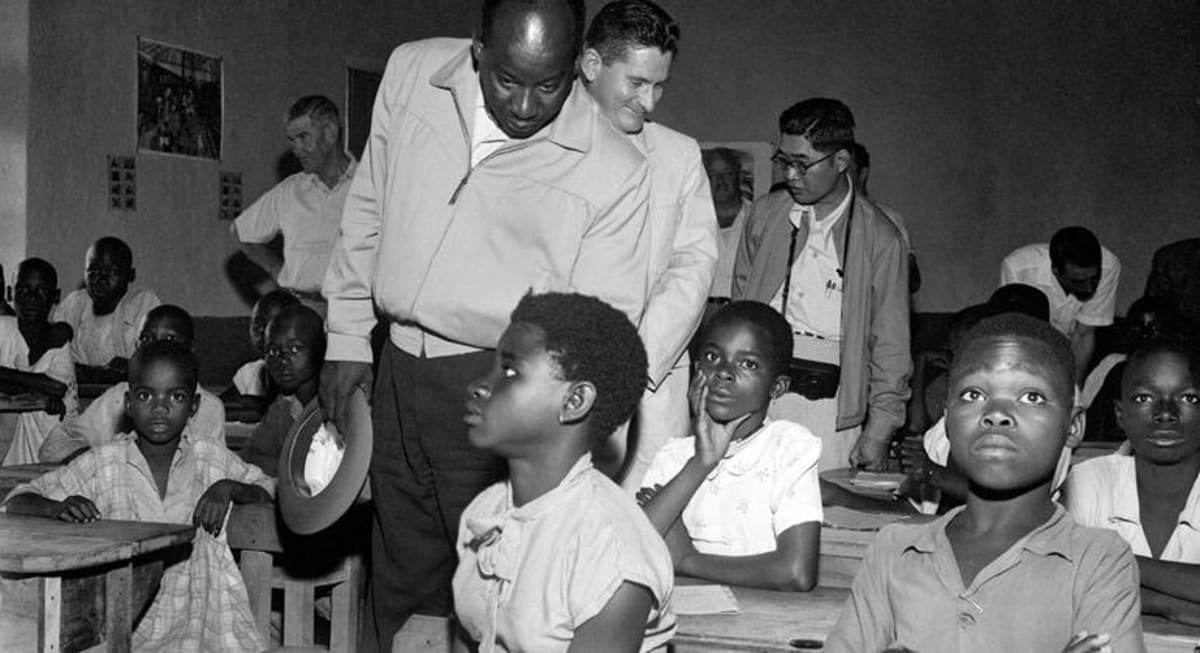
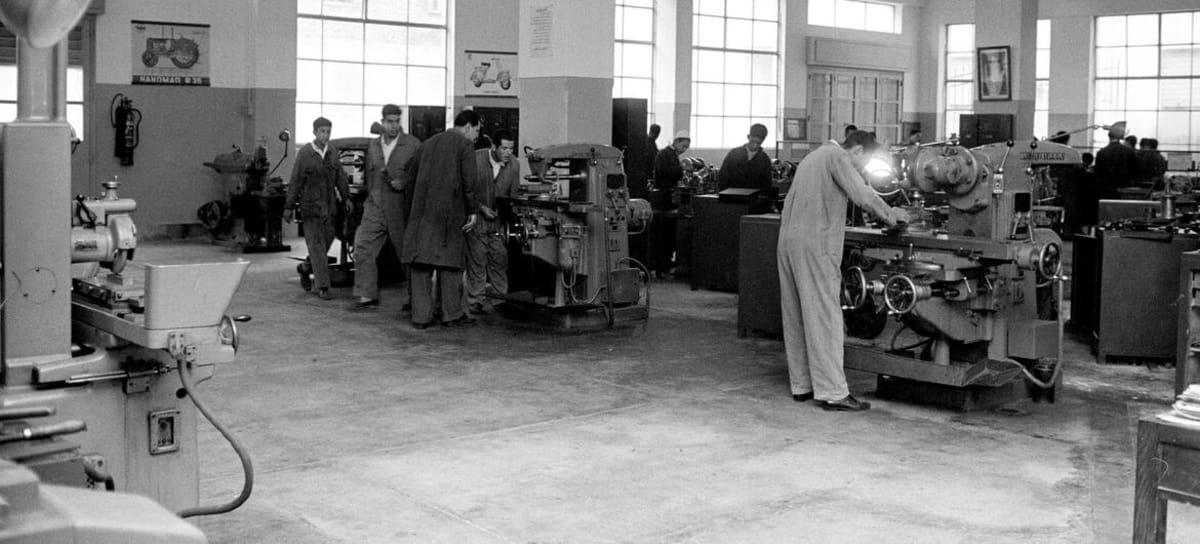
In the late 1940s, Libya faced a fractured future after decades as an Italian colony and centuries under Ottoman rule. A UN commission helped bridge political divides, draft a constitution, establish a provisional government, and train a new civil service. Two years later, Libya achieved independence through dialogue instead of bloodshed.
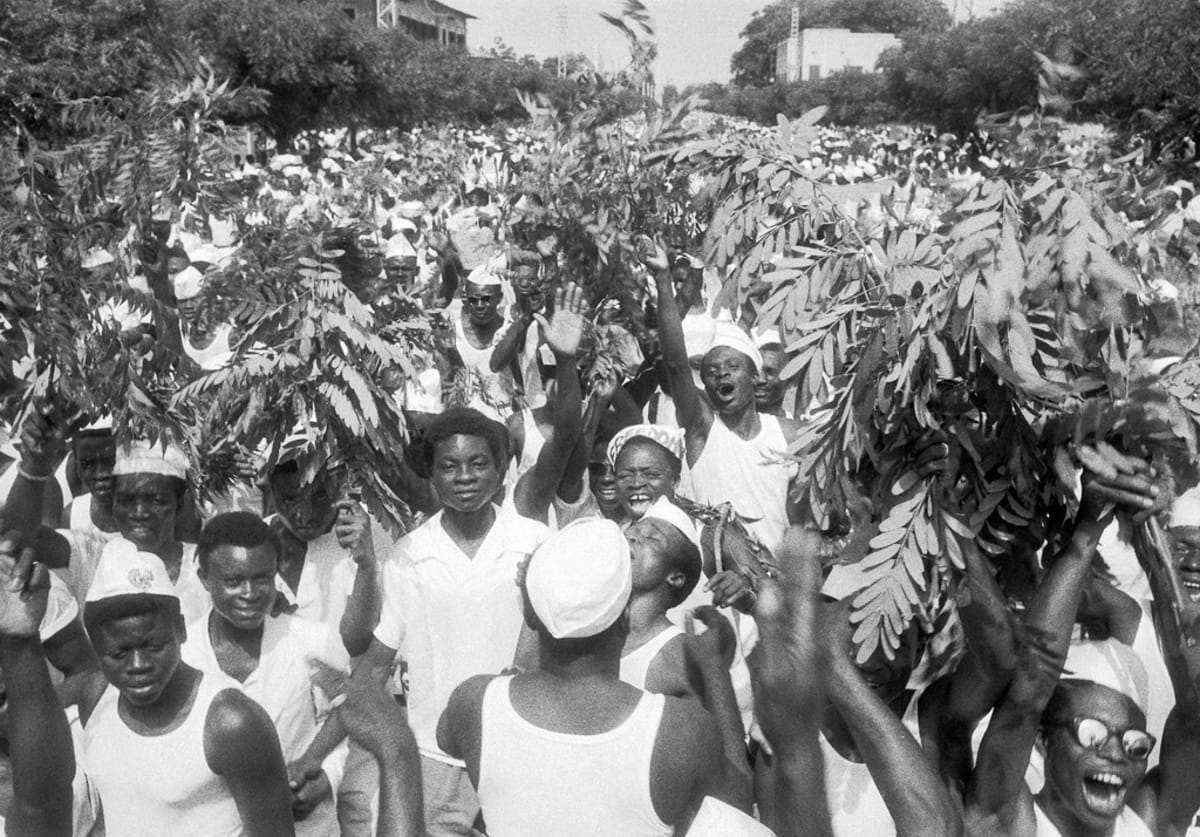
Similar missions organized peaceful referendums in Cameroon, Equatorial Guinea, and Togoland. They helped newly independent nations build functioning governments from scratch.
After the Cold War ended, these missions multiplied as long-suppressed tensions surfaced worldwide. Diplomats helped countries organize fair elections, reform corrupt institutions, and heal communities torn apart by civil war.
DiCarlo emphasizes that these missions succeed precisely because they adapt to each unique situation. Some last months, others persist for years. Some involve single envoys, others deploy teams of experts.
Today, as global tensions rise again, these quiet peacebuilders continue their essential work, proving that patience and conversation can achieve what weapons never could.
More Images
Based on reporting by UN News
This story was written by BrightWire based on verified news reports.
Spread the positivity!
Share this good news with someone who needs it