UN Highlights Sport's Power Before 2026 World Cup
As the 2026 World Cup approaches, UN leaders and Olympic champions gathered to celebrate how sports transform communities and break down barriers worldwide. From street kids finding hope through soccer to Morocco's first female gold medalist inspiring millions, the message is clear: sports change lives.
When Nawal El Moutawakel won Olympic gold in 1984, she didn't just cross a finish line. She became the first Moroccan, African, Arab, and Muslim woman to claim Olympic victory, opening doors for countless women who'd been told sports weren't for them.
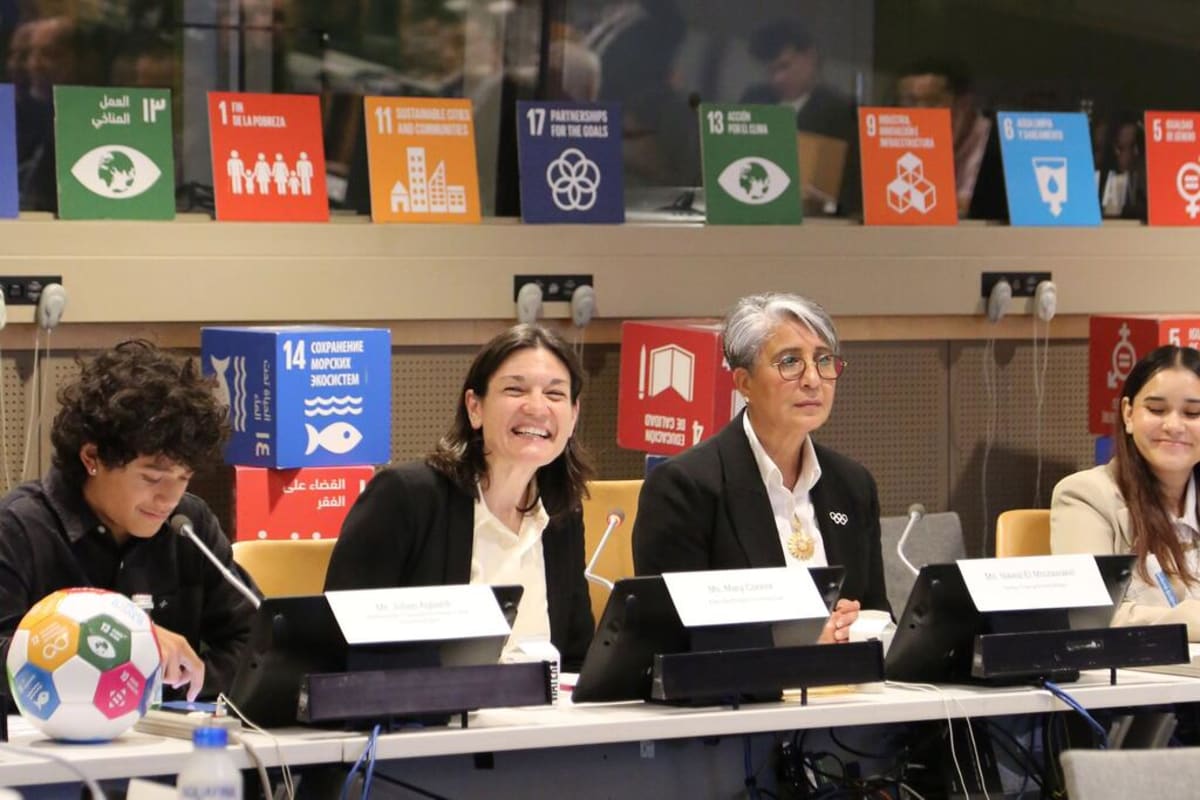
Now, as the world prepares for the 2026 World Cup starting June 11 in Mexico City, El Moutawakel and other sports leaders gathered at UN Headquarters to remind us why games matter so much. Over 104 matches across Mexico, Canada, and the United States, billions will watch 48 teams compete, but the real story happens off the field.
El Moutawakel, now Vice President of the International Olympic Committee, compared her 400-meter hurdles race to life's obstacles. "In between there are 10 hurdles, and for me, they were the hurdles of life that teach you discipline, coordination, determination, passion," she told the crowd at the Building Bridges, Breaking Barriers event on April 1st.
Her journey paved the way for historic change. For the first time in 100 years, the IOC has a female president, and women now make up 50 percent of the organization at all levels.
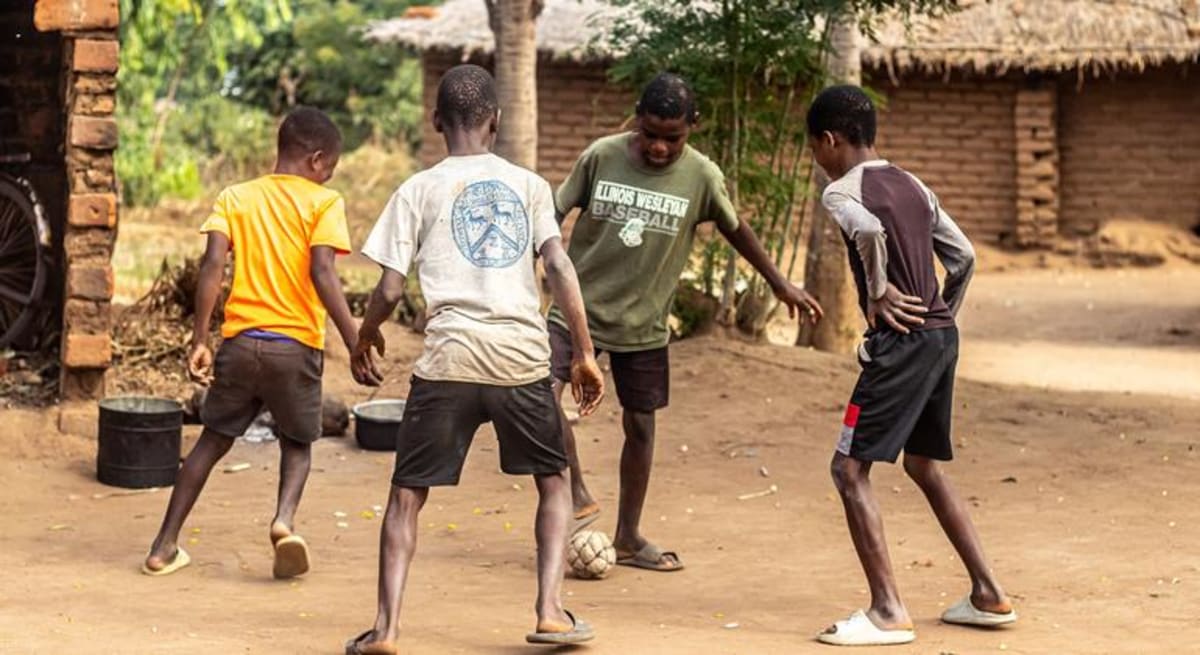
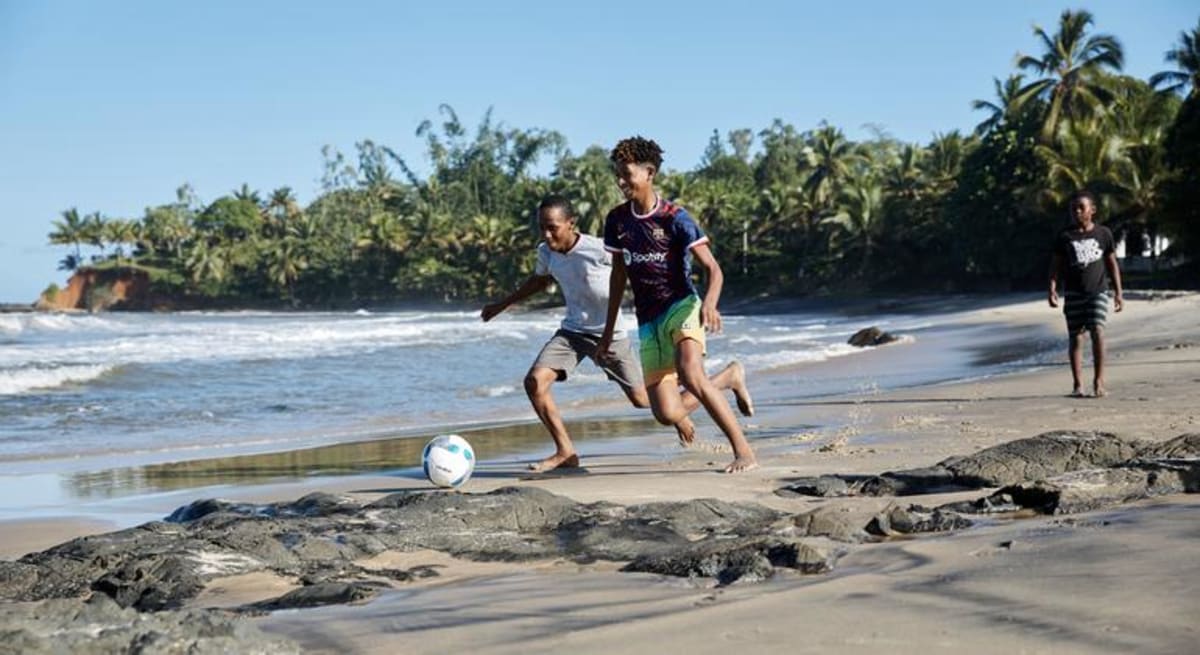
Young athletes shared similar stories of transformation. Ailyn Lopez overcame mental health struggles through football and now leads with Street Child United, supporting kids living on the streets or in extreme poverty through sports programs.
The World Cup host cities are taking action too. A program called Play Collective will fund community sports organizations across all three host countries, creating safe spaces for underserved youth. The initiative connects 3.6 million young people annually through a network of grassroots organizations.
Mary Connor, Executive Director of Common Goal, drew parallels between teamwork on the field and cooperation at the UN. She described both as places where people "come together across differences, across cultures that keep us isolated" and "make space for one another to find a way through."
The Ripple Effect
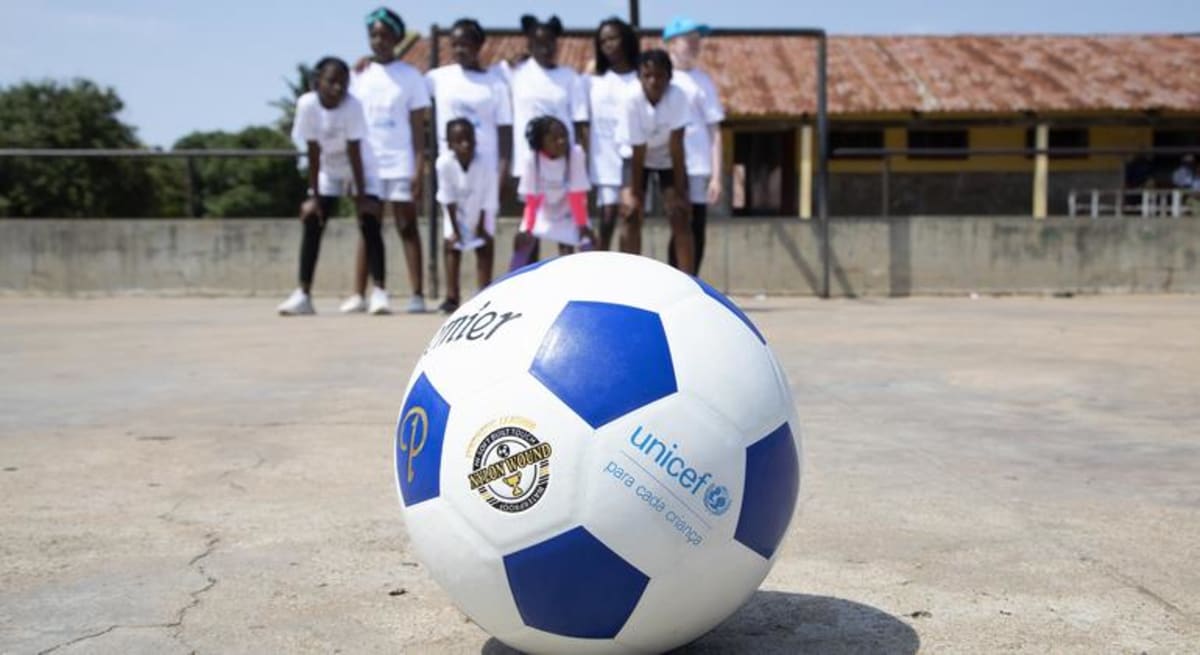
The impact spreads far beyond stadiums and medals. In Mozambique, UNICEF partners with local organizations to create inclusive sports events for people with disabilities. Across borders and generations, sports create spaces for dialogue and mutual respect that few other activities can match.
The UN marks April 6th as the International Day of Sport for Development and Peace, recognizing how athletics advance human rights and economic development. With its massive global reach and foundation of positive values, sport uniquely positions itself to support UN development goals.
As billions tune in this summer to watch the world's best players, programs in host cities will be quietly changing lives one game at a time.
More Images
Based on reporting by UN News
This story was written by BrightWire based on verified news reports.
Spread the positivity!
Share this good news with someone who needs it