UN Housing Village Broke Segregation Laws in 1940s New York
When the United Nations built staff housing in 1947 New York, it created something revolutionary: the city's first racially integrated neighborhood where families from over 50 nations lived, played, and grew up together. At a time when state laws enforced "whites-only" housing policies, Parkway Village proved that integration could work beautifully.
In 1947, while much of America enforced segregated schools, bathrooms, and housing by law, the United Nations quietly built something revolutionary in a corner of Queens, New York.
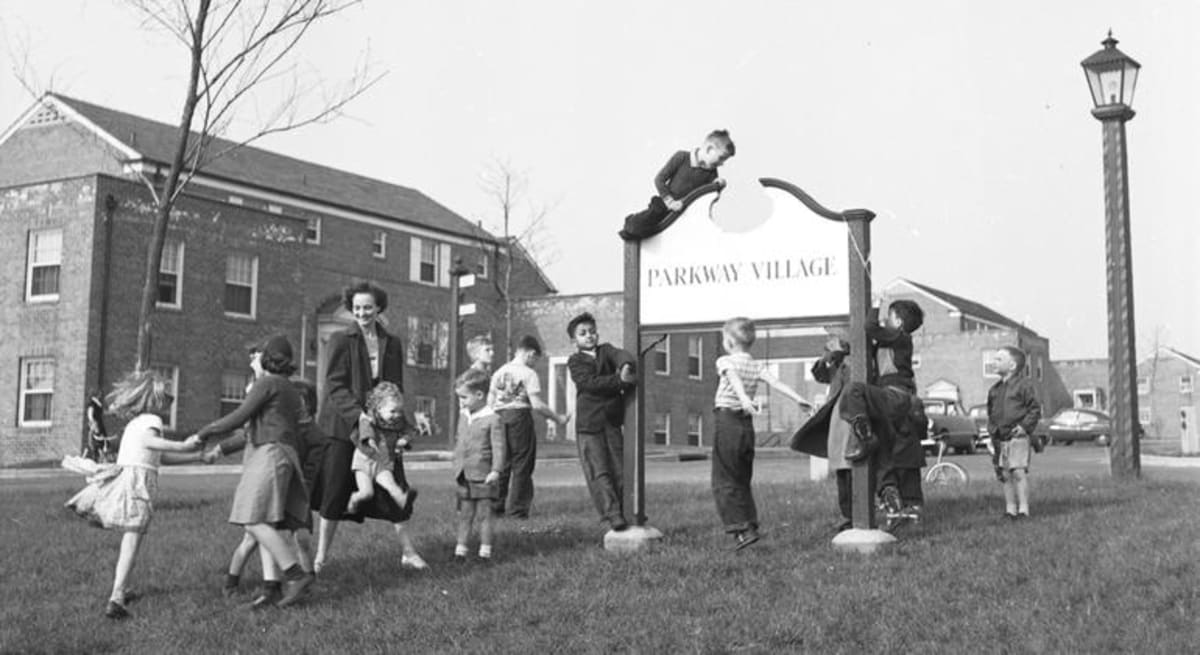
Parkway Village became New York City's first racially integrated housing development, home to nearly 500 UN families from over 50 countries. At a time when many Manhattan developments still practiced "whites-only" policies, children from Europe, the Middle East, Asia, Africa, Latin America, and the Caribbean played together on the same open lawns.
Carlos Figueroa, who grew up in the Village and later joined the UN, remembered the magic of it all. Kids whose home countries were traditional rivals played together after school, sharing food from different cultures and picking up bits of each other's languages.
"It was enlightening to see kids from countries and cultures which are traditional rivals, Indians and Pakistanis, Arabs and Jews, for example, playing together," Figueroa recalled. They attended the same schools and found ways to cooperate and understand one another.
The Village housed Nobel Peace Prize winner Ralph Bunche, the first Black person to receive the honor, who mediated the late 1940s Arab-Israeli conflict. In segregated America, he would have struggled to find quality housing elsewhere in the city.
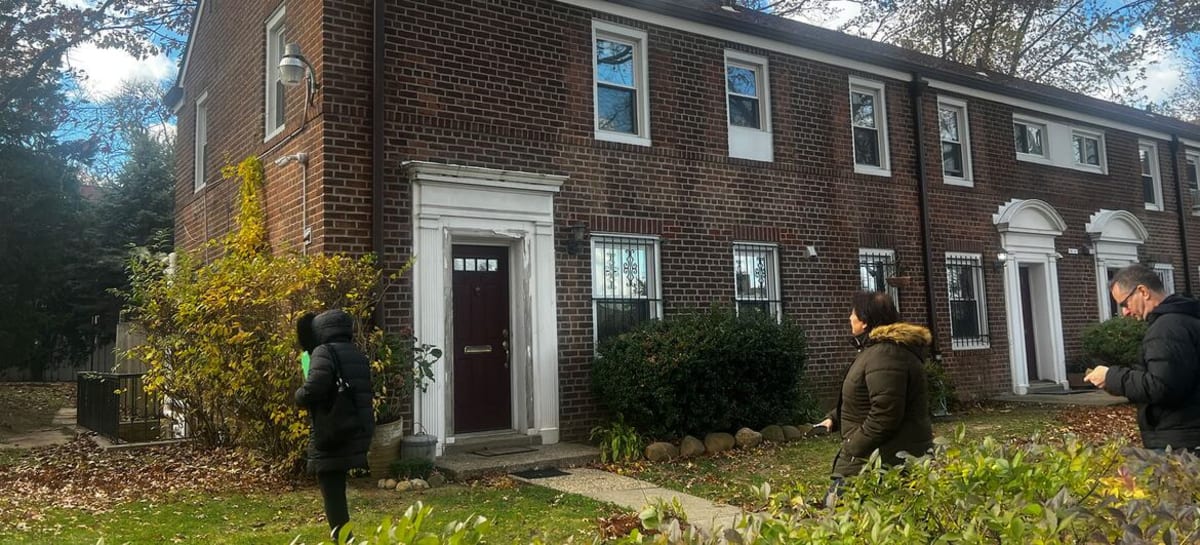
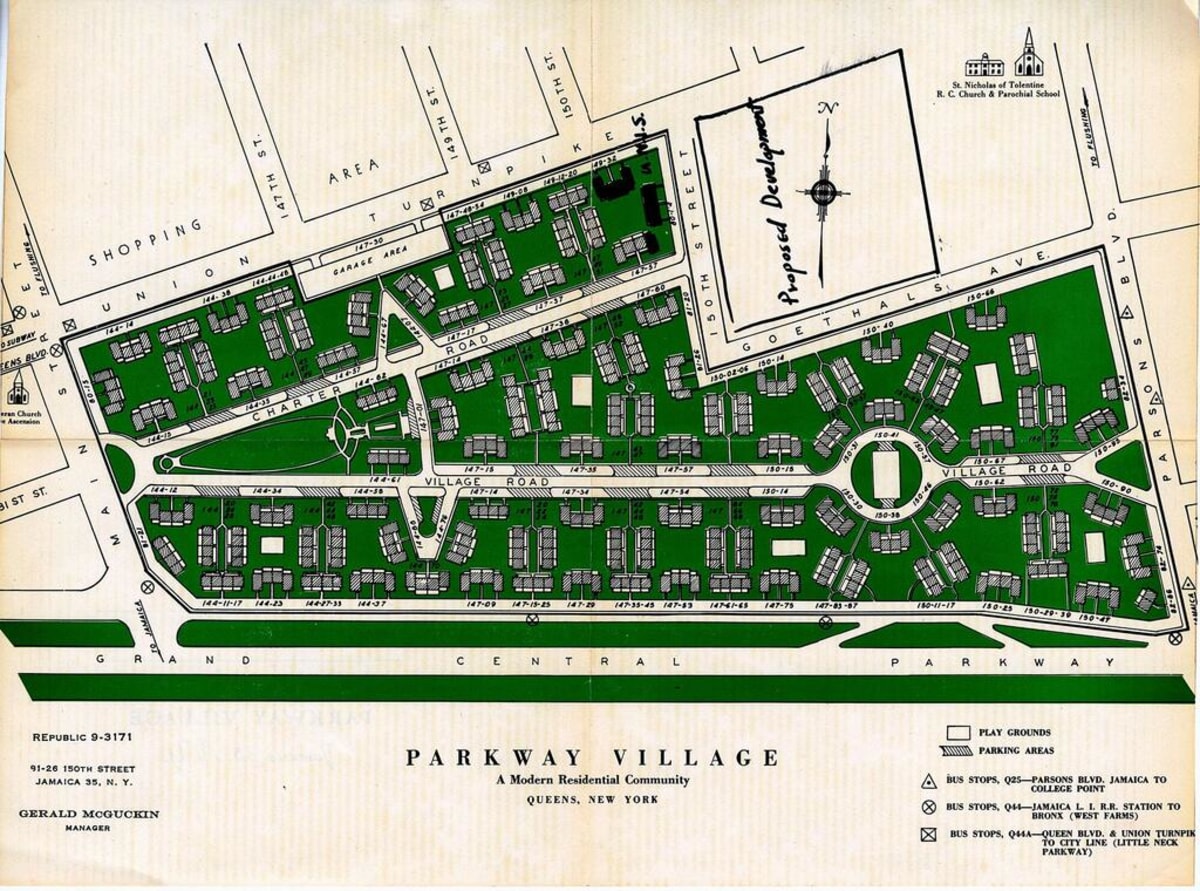
Built on 34 acres with 687 apartments spread across small clusters, the development felt like "the country in the city," according to current resident Judith Guttman. Buildings covered just 15 percent of the space, leaving room for winding paths and open green areas where kids could roam freely.
For years, residents didn't even build fences between homes. The Village included its own UN school and nursery until the early 1980s, creating what Guttman described as a deeply communal, culturally open atmosphere.
The Ripple Effect
Parkway Village didn't just provide housing. It provided proof that integration could create thriving, peaceful communities even when the rest of the country doubted it was possible.
"Since its earliest days, the United Nations has sought to be a leader in eliminating racial discrimination worldwide," said Rula Hinedi, head of UN tour guides. The Village put that principle into immediate practice when the organization decided to permanently locate in New York in December 1946.
The development came during a severe housing crisis, with New York short 150,000 to 250,000 apartments and 900,000 servicemen returning from World War II. Yet the UN insisted on non-discriminatory housing for its diverse staff, even when "it was very difficult for black people to secure an apartment, sometimes impossible," noted New York historian Chris McNickle.
Dr. Ashwini K.P., the UN independent human rights expert on racism, acknowledges progress since those days. "Over the past 80 years, the world has moved from openly codified racism toward a global consensus that racial discrimination is unacceptable," she said.
While challenges remain, Parkway Village stands as historical proof that choosing integration over division creates spaces where humanity flourishes.
More Images
Based on reporting by UN News
This story was written by BrightWire based on verified news reports.
Spread the positivity!
Share this good news with someone who needs it