UN Merges Aid Agencies to Help Millions Faster
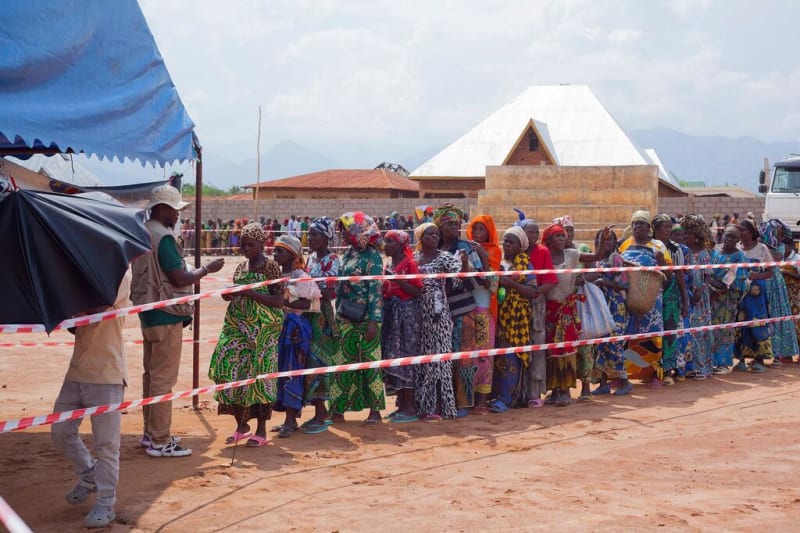
Five major UN humanitarian agencies are combining their supply chains and operations to deliver food, shelter, and medicine faster to people in crisis zones. The reform aims to eliminate wasteful duplication as global disasters and conflicts multiply.
The United Nations is fixing a problem that's been costing precious time and resources while millions of people wait for help.
Five UN aid agencies announced they're merging their warehouses, trucks, and supply networks into one coordinated system. Instead of running separate operations that often overlap, agencies like UNICEF, the World Food Programme, and the UN refugee agency will now work as a single unit.
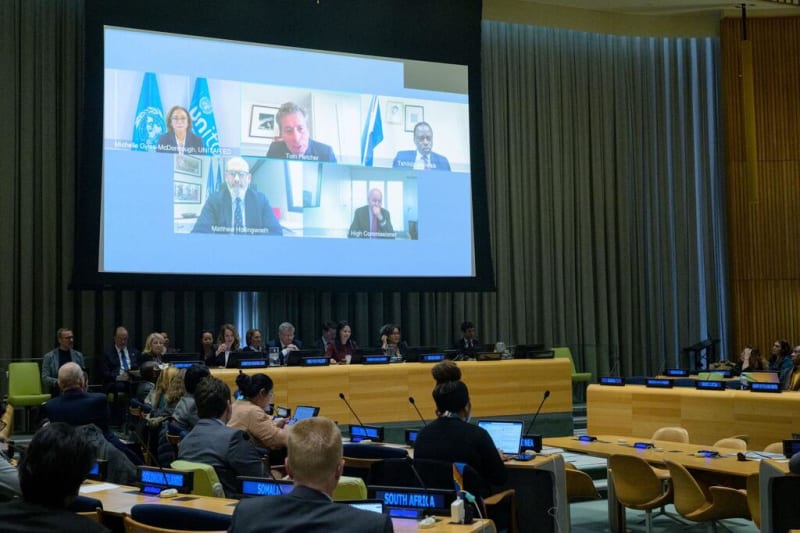
The change comes as humanitarian crises are exploding faster than available funding can keep up. Tom Fletcher, the UN's Emergency Relief Coordinator, says the current system of parallel warehouses and duplicate logistics networks simply isn't sustainable anymore.
Catherine Russell, who leads UNICEF, explained what this means in practice. When supply chains are integrated, children receive assistance faster. When nutrition systems are aligned, fewer children become malnourished. When diplomacy is coordinated, access to crisis zones improves.
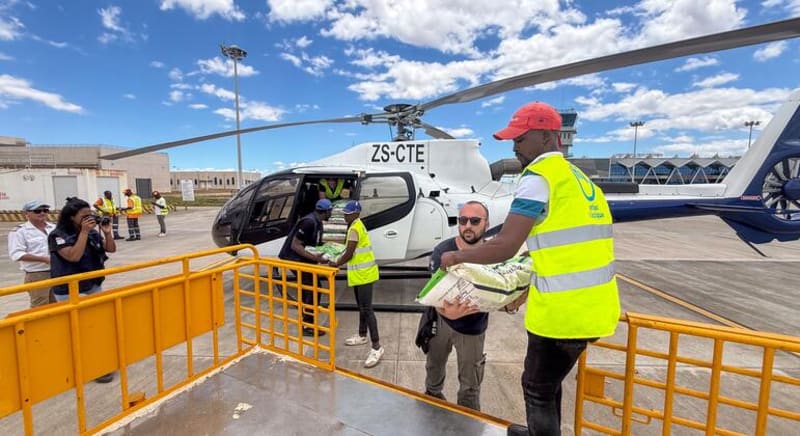
The reforms are already making a difference on the ground in places like South Sudan and Mozambique, where UN teams are delivering aid more efficiently. Fletcher calls it "working as one unit" focused on life-saving priorities first.
The overhaul is part of the UN80 Initiative, a broader effort launched in March 2025 to make the entire organization more effective. Beyond humanitarian aid, the UN is also consolidating its fragmented training and research programs, which currently have overlapping functions and high costs.
The Ripple Effect
This streamlining matters because every dollar saved on duplicate operations means more medicine, more clean water, and more emergency shelters reaching families in crisis. When agencies share one fleet of trucks instead of five separate fleets, aid arrives days or even weeks faster.
The coordination also helps UN workers navigate dangerous situations more safely. With agencies sharing intelligence and access negotiations, humanitarian teams can reach conflict zones that might otherwise be impossible to enter.
Professor Tshilidzi Marwala, who leads UN University, is even developing an AI platform to connect research findings with on-the-ground training, helping aid workers respond faster to new types of emergencies.
The UN plans to present the full results of these reforms to world leaders in September, demonstrating how the organization is becoming more nimble and effective when people need help most.
More Images
Based on reporting by UN News
This story was written by BrightWire based on verified news reports.
Spread the positivity!
Share this good news with someone who needs it